


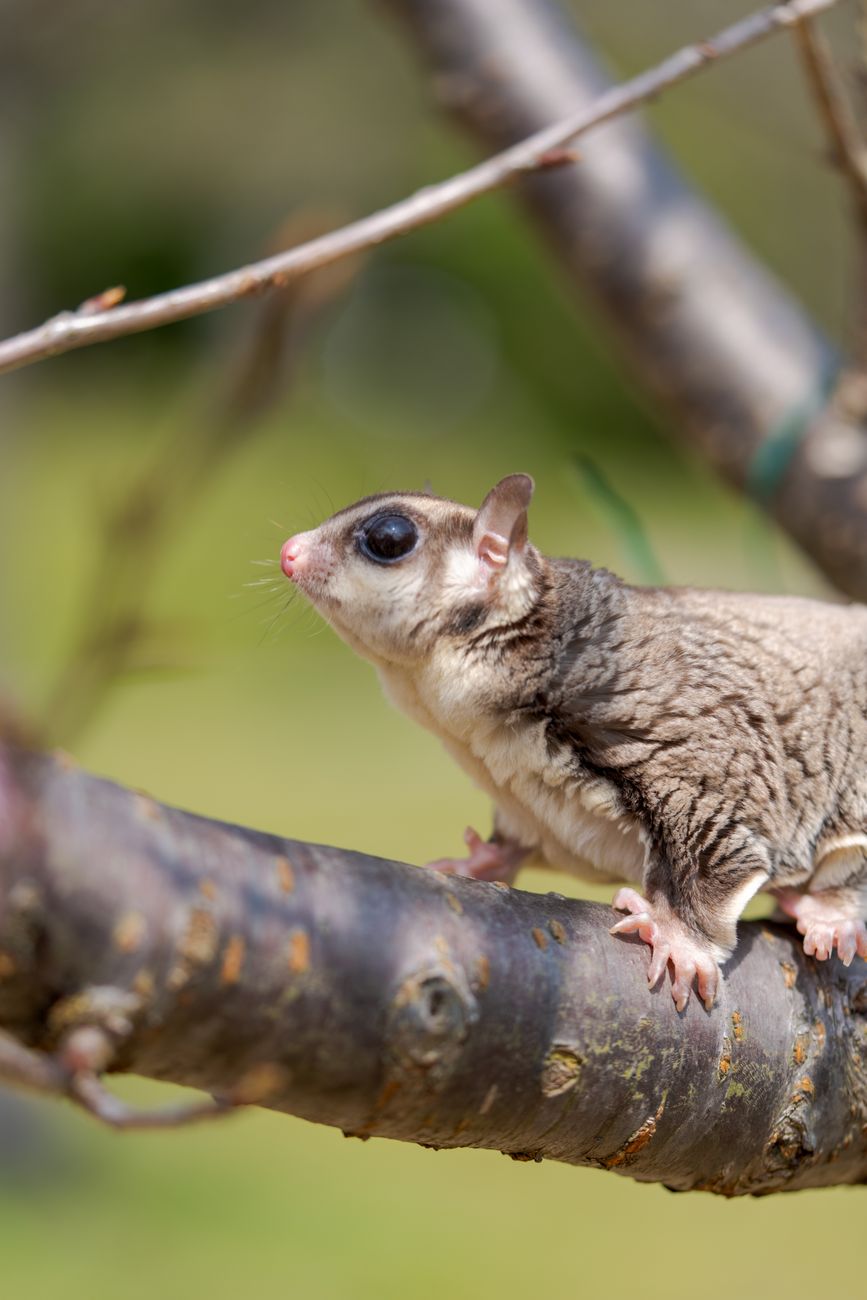
SOUTHERN FLYING SQUIRREL
Glaucomys volans
DESCRIPTION
Southern Flying Squirrel (Glaucomys volans) is a small, nocturnal rodent known for its ability to glide through the air thanks to a membrane called the patagium that stretches from its wrists to its ankles. This species has large, dark eyes and a soft, grayish-brown fur that helps it blend into its forested habitat. They are social animals, often found in small groups, and are known for their playful behavior, which includes gliding and chasing each other among the trees.
FUN FACTS
- Southern Flying Squirrels can glide over 150 feet (45 meters) from tree to tree, using their tail as a rudder to steer during their descent
- They have a unique ability to rotate their bodies mid-air, allowing them to land safely on branches
- | These squirrels are known to be quite social and often share nesting cavities with other flying squirrels, which helps them stay warm during colder months
- They have been observed engaging in playful behaviors, such as chasing each other and playing tag in the trees
QUICK INFO
Lifespan6-12 years in the wild, up to 15 years in captivit
Average Weight150-250 g
Average Length24-30 cm
Diet TypeOmnivore
Social StructureThey are generally social animals, often found in small family groups or pairs.
Activity PatternNocturnal
Breeding SeasonSpring (February-April)
- Habitat
- They inhabit deciduous and mixed forests, often favoring areas with abundant tree cover for gliding and nesting. Southern Flying Squirrels are also found in urban parks and suburban areas with sufficient tree density.
- Biomes
- Temperate Forest, Urban
- Native Range
- The native range of the Southern Flying Squirrel extends across the eastern United States and into parts of Canada.
- Continent
- North America
- Countries
- United States, Canada
- Diet
- Southern Flying Squirrels primarily feed on fruits, nuts, and fungi, but they also consume insects and bird eggs when available.
- Diet Type
- Omnivore
- Favorite Food
- Nuts and fruits
- Social Structure
- They are generally social animals, often found in small family groups or pairs.
- Activity Pattern
- Nocturnal
- Group Size
- 2-10
- Territorial
- 0
 LC
LC
 LC
LC
 LC
LC
 LC
LC
150-250 g
Weight
24-30 cm
Length
- Coloration
- Grayish-brown fur with a lighter underbelly
- Lifespan
- 6-12 years in the wild, up to 15 years in captivit
- Gestation Period
- 40 days
- Offspring per Birth
- 2-5
- Sexual Maturity
- 10 months
- Breeding Season
- Spring (February-April)
LC
Least Concern
IUCN Red List Status
- Population Status
- The population of Southern Flying Squirrels is generally stable, although local declines may occur due to habitat loss.
- Wild Population Estimate
- Unknown
- Population Trend
- Stable
- Endangered
- 0
- Threats
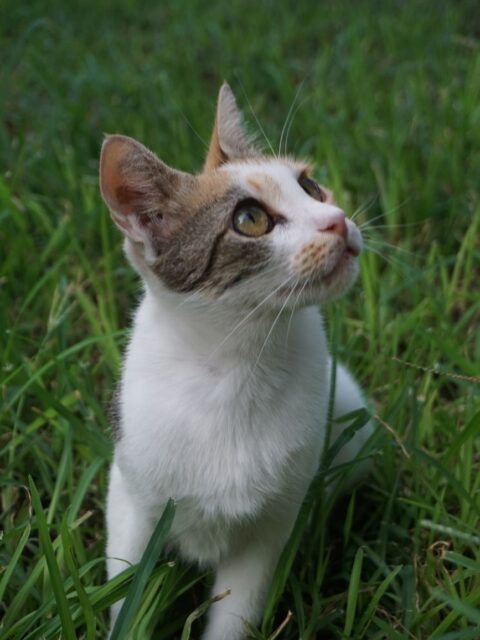
- Main threats include habitat destruction due to urban development and logging, as well as predation by domestic cats and birds of prey.
- Predators
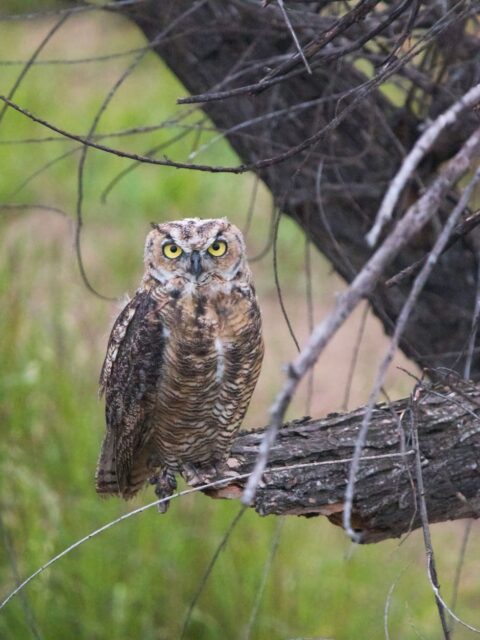
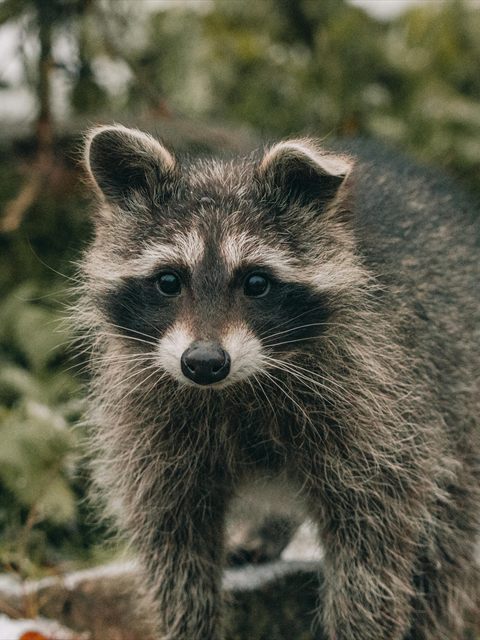
- Great Horned Owl, Red-tailed Hawk, domestic cats, and raccoons.
- Defense Mechanisms
- They rely on their ability to glide and their nocturnal habits to evade predators, often using trees for cover.
- Found in Zoos
- Uncommon