



SOUTHERN OSTRICH
Struthio camelus australis
DESCRIPTION
The Southern Ostrich is the largest living bird species, characterized by its long neck and legs, and a large, rounded body covered in black feathers for males and brownish feathers for females. They are flightless and have powerful legs that allow them to run at speeds of up to 70 km/h (43 mph). Socially, they are known for their complex behaviors, including elaborate courtship displays and a unique system of communication through vocalizations and body language.
FUN FACTS
- Southern Ostriches have the largest eyes of any land animal, which helps them spot predators from a distance
- They can also run faster than most animals, making them one of the fastest birds on land.|Despite being flightless, Southern Ostriches have strong wings that they use for balance while running and for courtship displays
- Their unique mating rituals include elaborate dances and vocalizations that can be heard from miles away
QUICK INFO
Lifespan30-40 years in the wild, up to 50 in captivity
Average Weight100-150 kg
Average Length2-2.7 m
Diet TypeHerbivore
Social Structuregroup — they often live in flocks that can range from a few individuals to over a dozen.
Activity PatternDiurnal
Breeding SeasonSpring to early summer
- Habitat
- Southern Ostriches inhabit open grasslands, savannas, and semi-arid regions. They prefer areas with sparse vegetation that allows them to spot predators easily.
- Biomes
- Savanna, Grassland
- Native Range
- They are native to the southern regions of Africa, primarily found in countries like South Africa, Namibia, Botswana, and Zimbabwe.
- Continent
- Africa
- Countries
- South Africa, Namibia, Botswana, Zimbabwe
- Diet
- Southern Ostriches are primarily herbivores, feeding on a variety of plant materials including seeds, leaves, and fruits. They may also consume insects and small animals occasionally.
- Diet Type
- Herbivore
- Favorite Food
- seeds, leaves, fruits
- Social Structure
- group — they often live in flocks that can range from a few individuals to over a dozen.
- Activity Pattern
- Diurnal
- Group Size
- 5-50
- Territorial
- 1
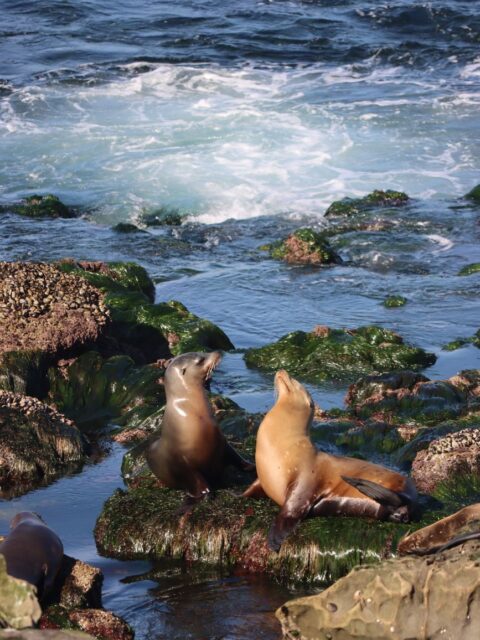 LC
LC
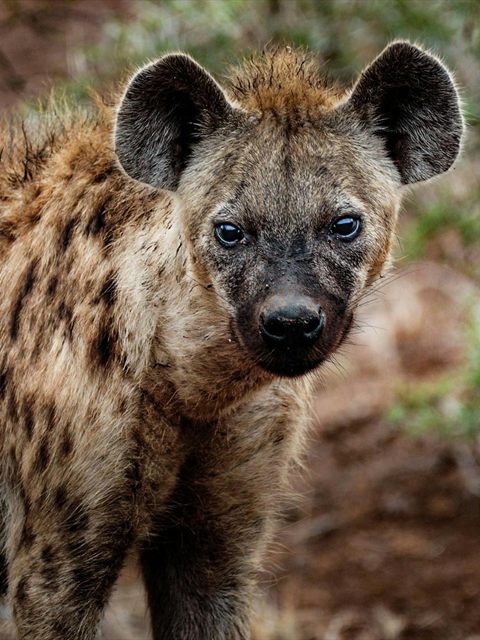 LC
LC
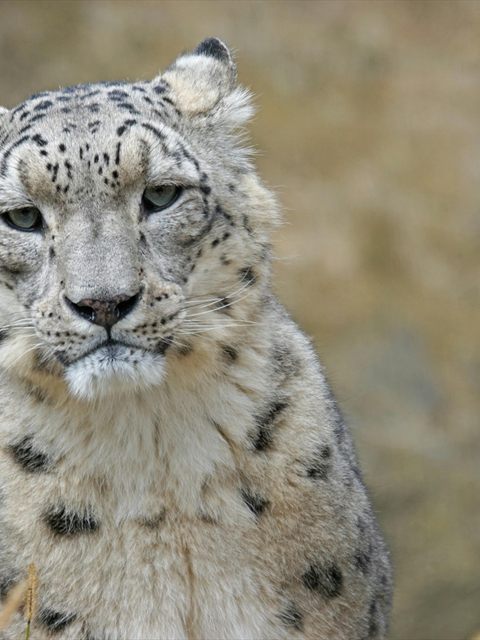 VU
VU
100-150 kg
Weight
2-2.7 m
Length
2.5-3 m
Height (Shoulder)
- Coloration
- Males are predominantly black with white wing and tail feathers, while females are brown and gray.
- Sexual Dimorphism
- Males are larger and more colorful than females.
- Lifespan
- 30-40 years in the wild, up to 50 in captivity
- Offspring per Birth
- 1-2
- Sexual Maturity
- 2-4 years
- Breeding Season
- Spring to early summer
LC
Least Concern
IUCN Red List Status
- Population Status
- The population is currently stable, but habitat loss and hunting pose threats.
- Wild Population Estimate
- Over 1 million
- Population Trend
- Stable
- Endangered
- 0
- Threats
- Main threats include habitat destruction due to agriculture and hunting. Additionally, they face risks from predators such as lions and hyenas.
- Predators
- Lions, hyenas, leopards, and various birds of prey.
- Defense Mechanisms
- They use their speed to escape predators and can deliver powerful kicks if threatened.
- Compatible Animals
- none
- Found in Zoos
- Common