


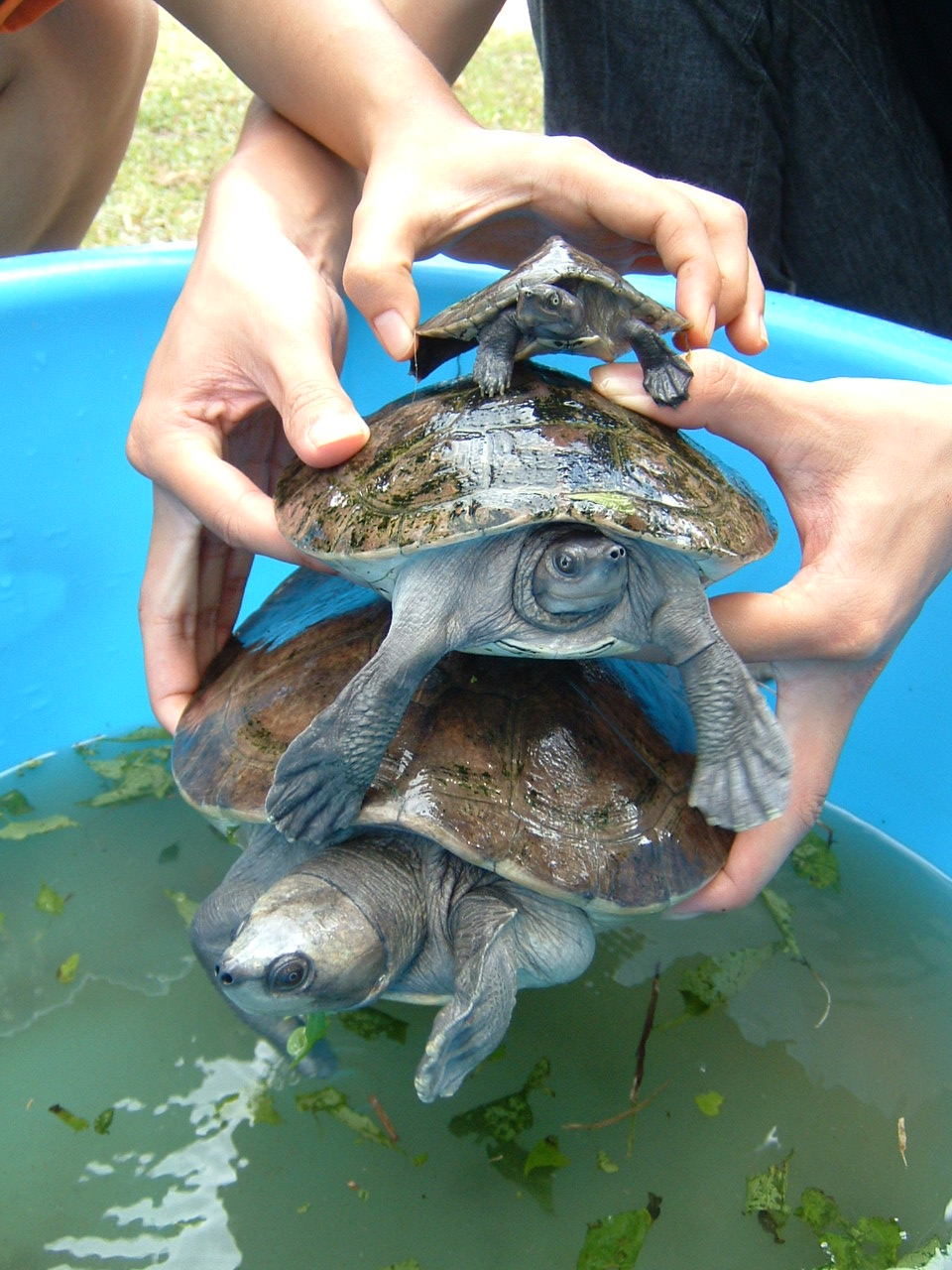
SOUTHERN RIVER TERRAPIN
Batagur affinis
DESCRIPTION
Southern River Terrapin (Batagur affinis) is commonly known as the Sunda River Terrapin and is characterized by its high-domed shell and striking coloration, which can range from olive to dark brown. This species is primarily found in freshwater habitats, where it exhibits a semi-aquatic lifestyle, often basking on riverbanks or logs. Southern River Terrapins are known for their strong homing instincts, returning to specific nesting sites each year, and they play a crucial role in their ecosystem by helping to maintain the health of aquatic vegetation.
FUN FACTS
- Southern River Terrapins are known for their unique nesting behavior, where females will travel long distances to find suitable sandy banks for laying eggs
- This species is also culturally significant in some regions, often featured in local folklore and conservation efforts aimed at preserving their habitats.|Despite their endangered status, Southern River Terrapins have a fascinating ability to adapt to various freshwater environments, showcasing their resilience in the face of habitat changes
- Their striking appearance and ecological importance make them a focus of conservation initiatives in Southeast Asia
QUICK INFO
Lifespan20-30 years in the wild, potentially longer in cap
Average Weight10-15 kg
Average Length50-70 cm
Diet TypeOmnivore
Social Structuresolitary, with individuals typically found alone except during mating
Activity PatternDiurnal
Breeding SeasonSpring to early summer
- Habitat
- They inhabit freshwater rivers, swamps, and estuaries, often preferring areas with abundant vegetation. These habitats provide both food sources and nesting sites for the species.
- Biomes
- Freshwater, Wetlands
- Native Range
- The Southern River Terrapin is native to Southeast Asia, particularly found in the river systems of Malaysia, Indonesia, and Thailand.
- Continent
- Asia
- Countries
- Malaysia, Indonesia, Thailand
- Diet
- Southern River Terrapins are omnivorous, feeding on a variety of plant matter, fruits, and small aquatic animals.
- Diet Type
- Omnivore
- Favorite Food
- aquatic plants, fruits, small fish
- Social Structure
- solitary, with individuals typically found alone except during mating
- Activity Pattern
- Diurnal
- Group Size
- 1-2
- Territorial
- 0
 VU
VU
 VU
VU
10-15 kg
Weight
50-70 cm
Length
- Coloration
- The shell is typically olive to dark brown, with lighter yellow or cream markings on the head and limbs.
- Sexual Dimorphism
- Males are generally smaller than females and have a more elongated tail.
- Lifespan
- 20-30 years in the wild, potentially longer in cap
- Offspring per Birth
- 5-15
- Sexual Maturity
- 5-7 years
- Breeding Season
- Spring to early summer
CR
Critically Endangered
IUCN Red List Status
- Population Status
- The population of Southern River Terrapins is currently declining due to habitat loss and illegal trade.
- Wild Population Estimate
- Unknown, but believed to be decreasing
- Population Trend
- Decreasing
- Endangered
- 1
- Threats
- Main threats include habitat destruction due to development and pollution, as well as poaching for the pet trade and consumption. These factors have led to a significant decline in their populations.
- Conservation Program
- Various local conservation efforts are in place, including habitat protection and breeding programs.
- Predators
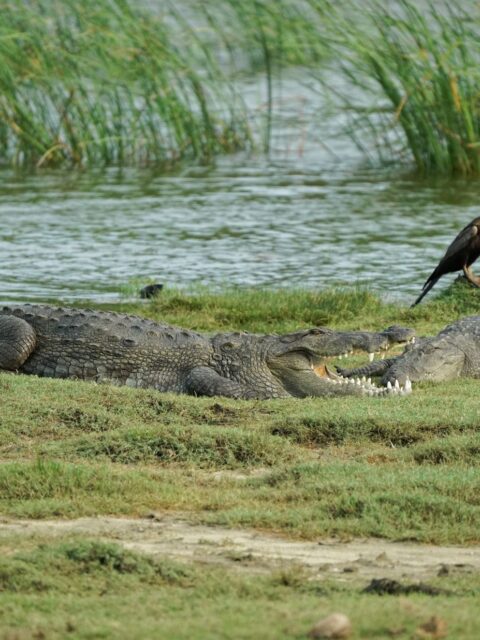
- Large birds of prey, crocodiles, and humans are known predators of the Southern River Terrapin.
- Defense Mechanisms
- They can retract into their shells for protection against predators.
- Found in Zoos
- Uncommon