


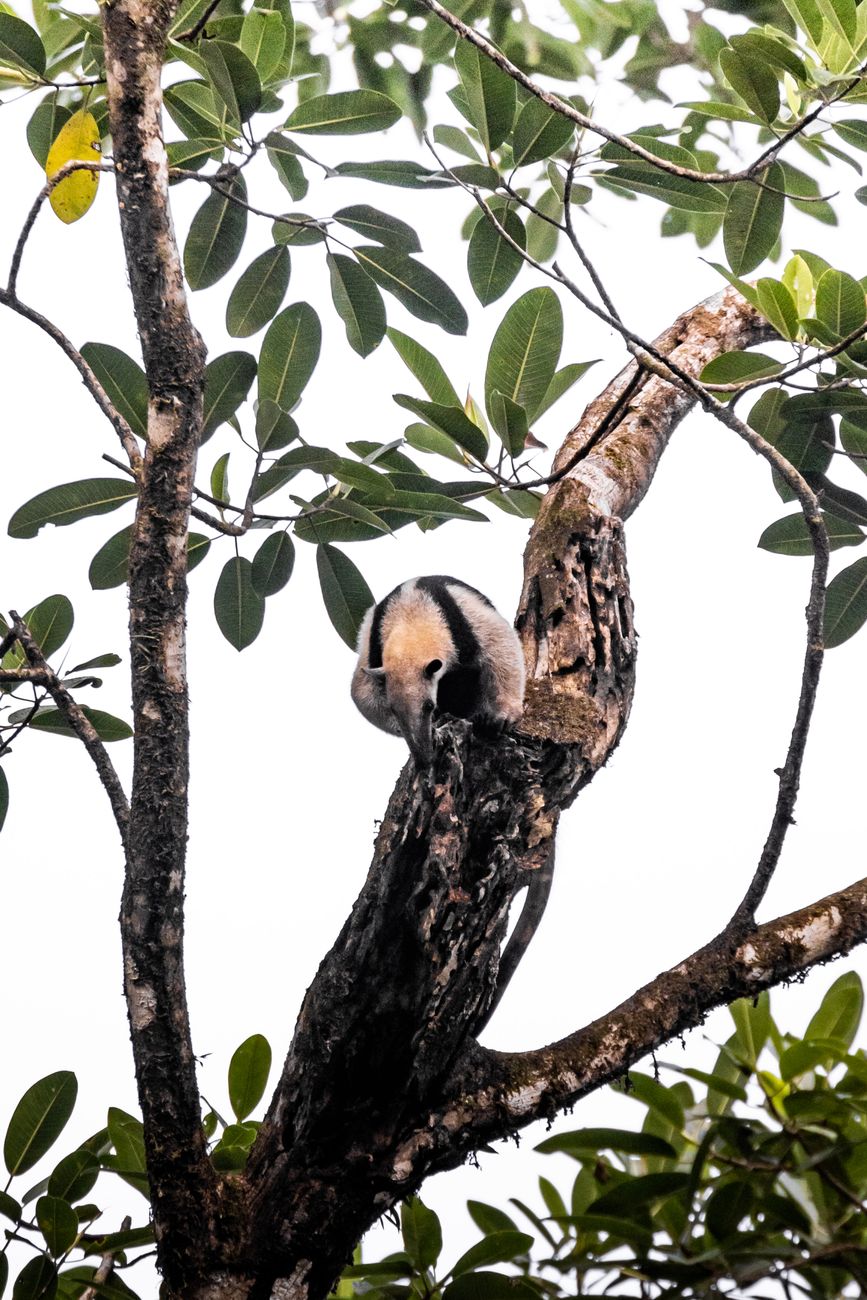
SOUTHERN TAMANDUA
Tamandua tetradactyla
DESCRIPTION
Southern Tamandua, also known as the Collared Anteater, is a medium-sized anteater characterized by its distinctive coat, which features a yellowish-brown body with a black collar around its neck. This species is primarily arboreal, spending much of its time in trees, where it uses its long, prehensile tail for balance. Southern Tamanduas are known for their solitary behavior and are primarily nocturnal, foraging for food at night in a variety of habitats.
FUN FACTS
- Southern Tamanduas have a unique method of foraging; they can consume thousands of ants and termites in a single night, thanks to their specialized tongues that can extend up to 16 inches
- Additionally, they have a remarkable ability to climb, using their strong claws and prehensile tails to navigate through trees with ease
QUICK INFO
Lifespan10-15 years in the wild, up to 20 years in captivi
Average Weight4-10 kg
Average Length0.9-1.2 m
Diet TypeInsectivore
Social Structuresolitary, with individuals typically living alone except during mating season
Activity PatternNocturnal
Breeding SeasonYear-round, with peaks depending on the region
- Habitat
- Southern Tamanduas inhabit a range of environments, including tropical rainforests, savannas, and woodlands. They prefer areas with abundant trees for climbing and foraging.
- Biomes
- Tropical Rainforest, Savanna, Woodland
- Native Range
- Southern Tamanduas are native to Central and South America, ranging from southern Mexico to northern Argentina.
- Continent
- North America, South America
- Countries
- Mexico, Guatemala, Honduras, Nicaragua, Costa Rica, Panama, Colombia, Venezuela, Ecuador, Peru, Brazil, Bolivia, Paraguay, Argentina
- Diet
- Southern Tamanduas primarily feed on ants and termites, using their long snouts and sticky tongues to extract their prey from nests. They may also consume some fruits and other plant materials.
- Diet Type
- Insectivore
- Favorite Food
- ants, termites
- Social Structure
- solitary, with individuals typically living alone except during mating season
- Activity Pattern
- Nocturnal
- Group Size
- 1
- Territorial
- 0
 NT
NT

4-10 kg
Weight
0.9-1.2 m
Length
- Coloration
- yellowish-brown with a distinctive black collar
- Lifespan
- 10-15 years in the wild, up to 20 years in captivi
- Gestation Period
- 150 days
- Offspring per Birth
- 1
- Sexual Maturity
- 2-3 years
- Breeding Season
- Year-round, with peaks depending on the region
LC
Least Concern
IUCN Red List Status
- Population Status
- The population of Southern Tamanduas is currently stable, though habitat loss poses a potential threat.
- Wild Population Estimate
- Unknown
- Population Trend
- Stable
- Endangered
- 0
- Threats
- Main threats to Southern Tamanduas include habitat destruction due to deforestation and human encroachment. They are also sometimes hunted for their meat and skin.
- Predators
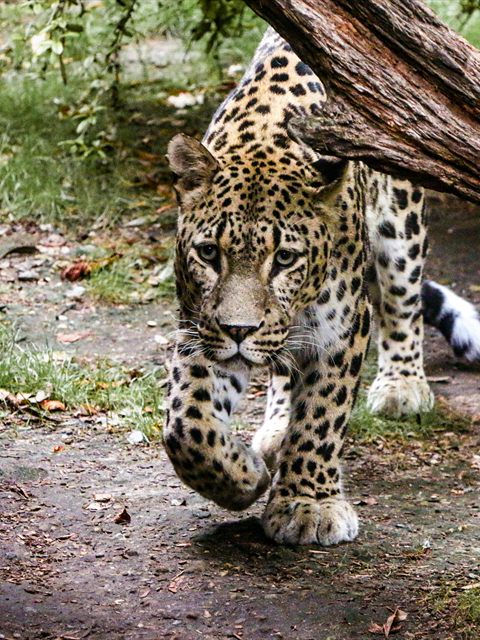
- Jaguars, pumas, and large birds of prey are known to prey on Southern Tamanduas.
- Defense Mechanisms
- Southern Tamanduas have sharp claws for defense and can use their strong limbs to climb quickly to escape predators.
- Found in Zoos
- Uncommon