


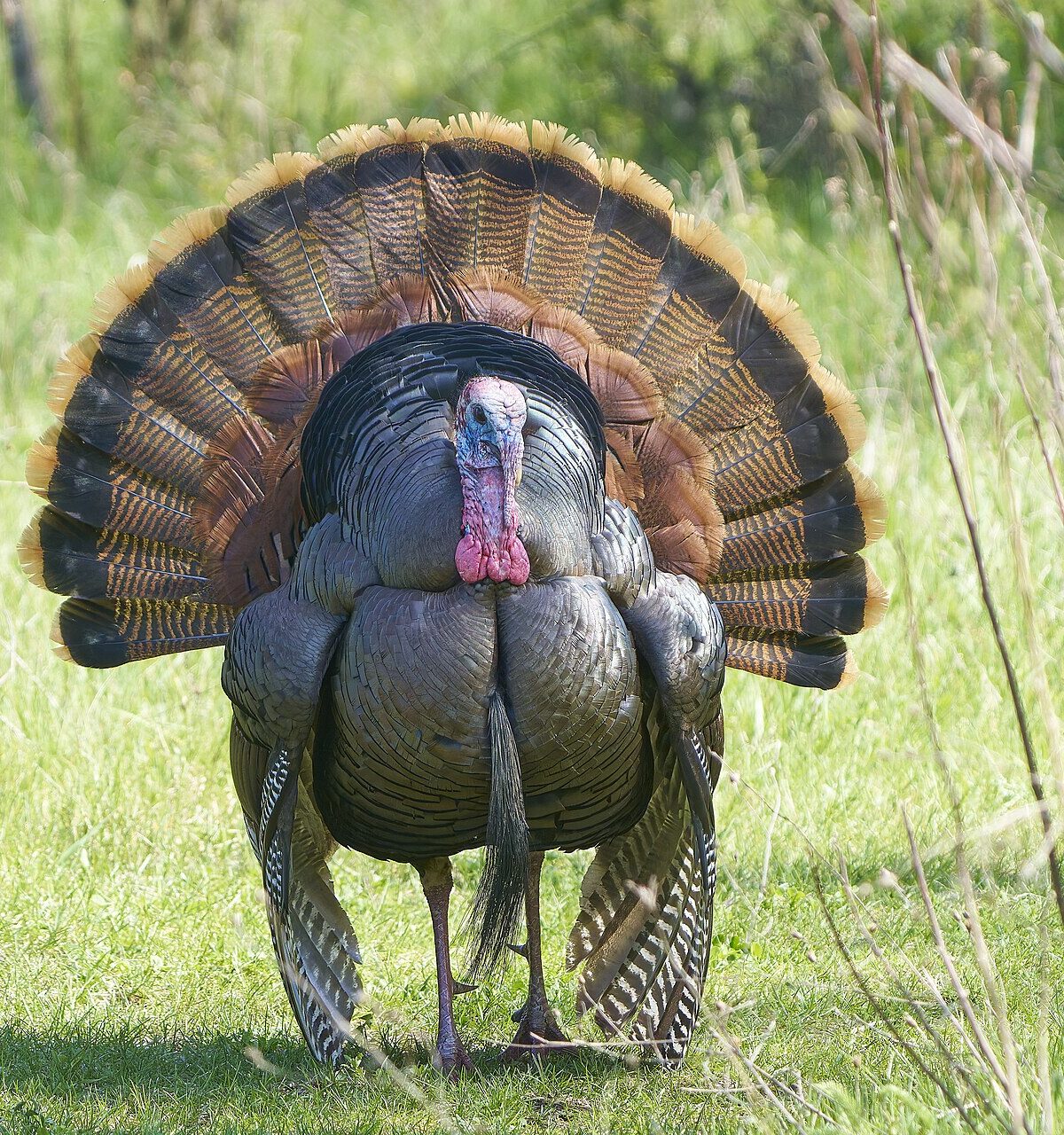
SPANISH BLACK TURKEY
Meleagris gallopavo
DESCRIPTION
The Spanish Black Turkey, a domesticated breed of the wild turkey, is known for its striking black plumage and distinctive feathering. Males are larger than females and exhibit a fan of iridescent feathers that can shimmer with green and purple hues. These turkeys are social birds, often found in flocks, and they exhibit a range of vocalizations and behaviors that reflect their complex social structures.
FUN FACTS
- Spanish Black Turkeys are known for their unique appearance and are often featured in cultural celebrations, particularly in Spain
- They are also recognized for their ability to adapt to various environments, making them a resilient breed
- | These turkeys have a rich history, being bred for their meat and ornamental value, and they are often raised in free-range systems that allow them to exhibit natural behaviors
- Their striking plumage and social nature make them a favorite among poultry enthusiasts
QUICK INFO
Lifespan10-15 years in the wild, up to 20 years in captivi
Average Weight5-10 kg
Average Length0.9-1.2 m
Diet TypeOmnivore
Social StructureGroup, typically found in flocks that can range from a few individuals to larger groups.
Activity PatternDiurnal
Breeding SeasonSpring (March-May)
- Habitat
- These turkeys thrive in a variety of habitats, including forests, grasslands, and agricultural areas. They prefer environments where they can forage for food and have access to cover for protection.
- Biomes
- Temperate Forest, Grassland, Agricultural Land
- Native Range
- Originally from North America, the Spanish Black Turkey has been domesticated and is now found in various regions worldwide.
- Continent
- North America, Europe
- Countries
- Spain, United States, Portugal
- Diet
- Spanish Black Turkeys are omnivorous, feeding on a variety of plant materials, seeds, insects, and small invertebrates. Their diet can vary based on availability and habitat.
- Diet Type
- Omnivore
- Favorite Food
- seeds, grains, insects
- Social Structure
- Group, typically found in flocks that can range from a few individuals to larger groups.
- Activity Pattern
- Diurnal
- Group Size
- 5-30
- Territorial
- 0

 LC
LC
 VU
LC
VU
LC
5-10 kg
Weight
0.9-1.2 m
Length
- Coloration
- Predominantly black with iridescent feathers that can show hints of green and purple.
- Sexual Dimorphism
- Males are larger and more colorful than females, with more pronounced feather displays.
- Lifespan
- 10-15 years in the wild, up to 20 years in captivi
- Offspring per Birth
- 8-15
- Sexual Maturity
- 5-6 months
- Breeding Season
- Spring (March-May)
LC
Least Concern
IUCN Red List Status
- Population Status
- The population of Spanish Black Turkeys is stable, particularly in domesticated settings.
- Population Trend
- Stable
- Endangered
- 0
- Threats
- Main threats include habitat loss and competition with other domesticated poultry. Additionally, they may face health issues related to breeding practices.
- Predators
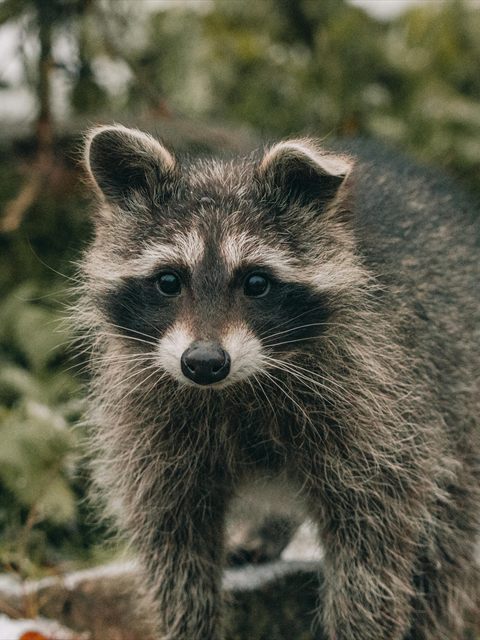
- Foxes, raccoons, birds of prey, domestic dogs
- Defense Mechanisms
- They rely on their ability to fly short distances to escape predators and often use vocalizations to alert others in their flock.
- Compatible Animals
- Ducks, chickens, geese
- Found in Zoos
- Uncommon