


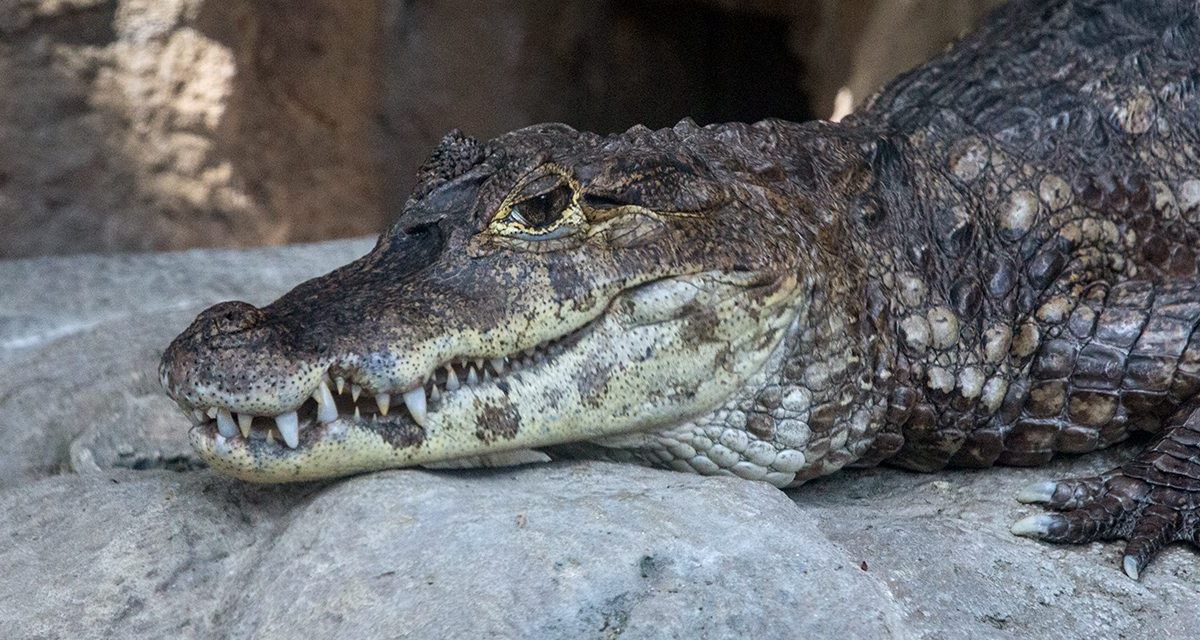
SPECTACLED CAIMAN
Caiman crocodilus
DESCRIPTION
The Spectacled Caiman is a medium-sized crocodilian characterized by its distinctive bony ridge between the eyes, which gives it a 'spectacled' appearance. It has a robust body, a long snout, and a dark olive to brown coloration with lighter underbelly. This species is known for its adaptability to various freshwater habitats and can often be seen basking on riverbanks or floating in water.
FUN FACTS
- Spectacled Caimans are known for their unique vocalizations, which include hissing and growling sounds, especially during the breeding season
- They play a crucial role in their ecosystems by helping to control fish populations and serving as prey for larger predators.| These caimans are also known for their nesting behavior, where females build mounds of vegetation to lay their eggs, providing warmth and protection for the developing young
QUICK INFO
Lifespan30-40 years in the wild, up to 50 in captivity
Average Weight40-80 kg
Average Length2-2.5 m
Diet TypeCarnivore
Social StructureSolitary, with occasional group gatherings during basking or nesting.
Activity PatternCrepuscular
Breeding SeasonSpring to early summer
- Habitat
- They inhabit freshwater environments such as rivers, lakes, swamps, and marshes. These habitats provide ample food sources and suitable nesting sites.
- Biomes
- Wetlands, Freshwater, Tropical Rainforest
- Native Range
- The native range of the Spectacled Caiman extends across Central and South America, from Nicaragua to northern Argentina.
- Continent
- South America, Central America
- Countries
- Nicaragua, Costa Rica, Panama, Colombia, Venezuela, Brazil, Paraguay, Argentina
- Diet
- Spectacled Caimans are opportunistic feeders, primarily consuming fish, crustaceans, and small mammals. They are known to hunt both during the day and at night, using stealth to ambush their prey.
- Diet Type
- Carnivore
- Favorite Food
- fish, crustaceans, small mammals
- Social Structure
- Solitary, with occasional group gatherings during basking or nesting.
- Activity Pattern
- Crepuscular
- Group Size
- 1-5
- Territorial
- 1
 VU
VU
 NT
NT
40-80 kg
Weight
2-2.5 m
Length
- Coloration
- Dark olive to brown with lighter underbelly and distinctive bony ridge between the eyes.
- Sexual Dimorphism
- Males are generally larger than females.
- Lifespan
- 30-40 years in the wild, up to 50 in captivity
- Gestation Period
- 60-70 days
- Offspring per Birth
- 10-30
- Sexual Maturity
- 3-4 years
- Breeding Season
- Spring to early summer
LC
Least Concern
IUCN Red List Status
- Population Status
- The population is currently stable, but local declines may occur due to habitat loss.
- Wild Population Estimate
- 100,000+
- Population Trend
- Stable
- Endangered
- 0
- Threats
- Main threats include habitat destruction due to agriculture and urbanization, as well as hunting for their skin. Pollution and climate change also pose risks to their habitats.
- Predators
- Large birds of prey, jaguars, and larger caimans can pose threats to juvenile Spectacled Caimans.
- Defense Mechanisms
- They rely on camouflage and the ability to remain still in the water to avoid detection by predators.
- Found in Zoos
- Common