



SPINY SOFTSHELL TURTLE
DESCRIPTION
The Spiny Softshell Turtle is a unique species characterized by its flattened, leathery shell that lacks the hard scutes found in many other turtles. Its shell is often olive or brown with a distinctive spiny ridge along the back, which helps it blend into its aquatic environment. This turtle is primarily aquatic and is known for its ability to bury itself in the sand or mud at the bottom of rivers and lakes, making it an adept ambush predator.
FUN FACTS
- The Spiny Softshell Turtle is one of the fastest swimming turtles, capable of reaching speeds that allow it to escape predators effectively
- | Unlike many turtles, the Spiny Softshell Turtle has a soft, flexible shell that allows for greater mobility in water, making it a unique adaptation among its relatives
QUICK INFO
Lifespan20-30 years in the wild
Average Weight2-5 kg
Average Length30-50 cm
Diet TypeCarnivore
Social Structuresolitary
Activity PatternDiurnal
Breeding SeasonSpring to early summer
- Habitat
- These turtles inhabit freshwater environments such as rivers, lakes, and ponds, often preferring areas with sandy or muddy bottoms. They are typically found in shallow waters where they can easily access food and bask in the sun.
- Biomes
- Freshwater, Wetlands
- Native Range
- The Spiny Softshell Turtle is native to North America, primarily found in the eastern and central United States and parts of Canada.
- Continent
- North America
- Countries
- United States, Canada
- Diet
- Spiny Softshell Turtles are carnivorous and primarily feed on aquatic invertebrates, fish, and occasionally plant matter. They use their long necks to reach prey while remaining mostly submerged.
- Diet Type
- Carnivore
- Favorite Food
- aquatic invertebrates, fish
- Social Structure
- solitary
- Activity Pattern
- Diurnal
- Group Size
- 1-5
- Territorial
- 0
 LC
LC
 VU
VU
 LC
LC
2-5 kg
Weight
30-50 cm
Length
- Coloration
- Olive or brown with a spiny ridge and a leathery texture.
- Sexual Dimorphism
- Males are generally smaller than females and have longer tails.
- Lifespan
- 20-30 years in the wild
- Offspring per Birth
- 5-20
- Sexual Maturity
- 5-7 years
- Breeding Season
- Spring to early summer
LC
Least Concern
IUCN Red List Status
- Population Status
- The population is currently stable, but local declines may occur due to habitat loss.
- Wild Population Estimate
- Unknown
- Population Trend
- Stable
- Endangered
- 0
- Threats
- Main threats include habitat destruction, pollution, and predation by raccoons and other mammals. Additionally, they are sometimes collected for the pet trade.
- Predators
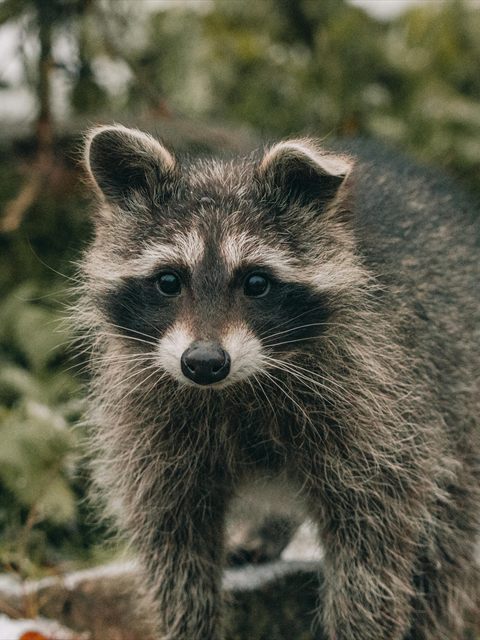
- Raccoons, birds of prey, and large fish.
- Defense Mechanisms
- They can quickly bury themselves in sand or mud to avoid predators.
- Found in Zoos
- Common