



SPINY TURTLE
Heosemys spinosa
DESCRIPTION
The Spiny Turtle (Heosemys spinosa) is a distinctive freshwater turtle known for its unique spiny carapace, which provides both camouflage and protection from predators. Its shell is dark brown to black with prominent, sharp spines along the edges, giving it a rugged appearance. This species is primarily aquatic, often found in slow-moving rivers and swamps, where it exhibits a shy and reclusive behavior, spending much of its time submerged or hiding among vegetation.
FUN FACTS
- The Spiny Turtle is often mistaken for a tortoise due to its unique shell shape and spines, which provide excellent camouflage in its natural habitat
- Additionally, these turtles are known for their ability to hold their breath for extended periods, allowing them to remain submerged while avoiding detection by predators.|Despite their spiny appearance, Spiny Turtles are gentle creatures and are not aggressive unless threatened
- They play an important role in their ecosystem by helping to maintain the health of aquatic vegetation through their feeding habits
QUICK INFO
Lifespan20-30 years in captivity, unknown in the wild
Average Weight2-5 kg
Average Length25-30 cm
Diet TypeHerbivore
Social Structuresolitary, typically found alone except during mating
Activity PatternDiurnal
Breeding SeasonSpring to early summer
- Habitat
- Spiny Turtles inhabit freshwater environments such as rivers, swamps, and ponds, often favoring areas with dense vegetation for cover. They prefer slow-moving waters where they can easily find food and shelter.
- Biomes
- Freshwater, Wetlands
- Native Range
- The Spiny Turtle is native to Southeast Asia, particularly found in countries like Thailand, Malaysia, and Indonesia.
- Continent
- Asia
- Countries
- Thailand, Malaysia, Indonesia
- Diet
- The Spiny Turtle is primarily herbivorous, feeding on a variety of aquatic plants, fruits, and leaves. Occasionally, it may consume small invertebrates.
- Diet Type
- Herbivore
- Favorite Food
- aquatic plants, fruits
- Social Structure
- solitary, typically found alone except during mating
- Activity Pattern
- Diurnal
- Group Size
- 1-2
- Territorial
- 0
 VU
VU
 VU
VU
2-5 kg
Weight
25-30 cm
Length
- Coloration
- dark brown to black with spiny projections on the shell
- Sexual Dimorphism
- males are generally smaller with longer tails than females
- Lifespan
- 20-30 years in captivity, unknown in the wild
- Offspring per Birth
- 3-5
- Sexual Maturity
- 4-5 years
- Breeding Season
- Spring to early summer
EN
Endangered
IUCN Red List Status
- Population Status
- The population of Spiny Turtles is currently declining due to habitat loss and illegal trade.
- Wild Population Estimate
- unknown
- Population Trend
- Decreasing
- Endangered
- 1
- Threats
- Main threats include habitat destruction due to deforestation and pollution, as well as illegal collection for the pet trade. These factors have significantly impacted their populations in the wild.
- Conservation Program
- Various local conservation efforts are in place, but comprehensive programs are lacking.
- Predators
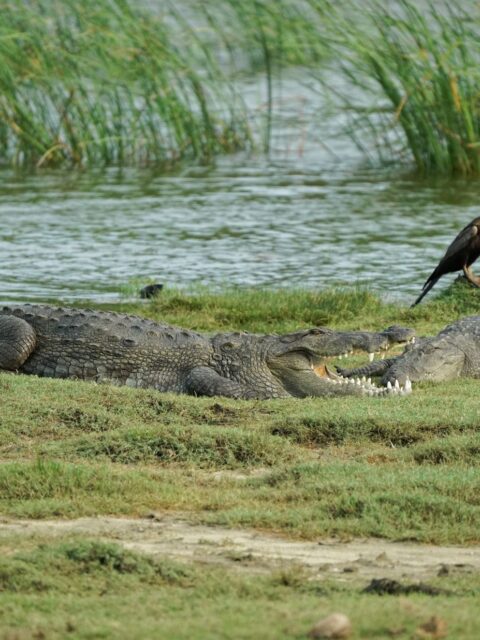
- large birds of prey, crocodiles, and larger fish species
- Defense Mechanisms
- The Spiny Turtle's primary defense mechanism is its hard, spiny shell, which deters many potential predators.
- Found in Zoos
- Uncommon