


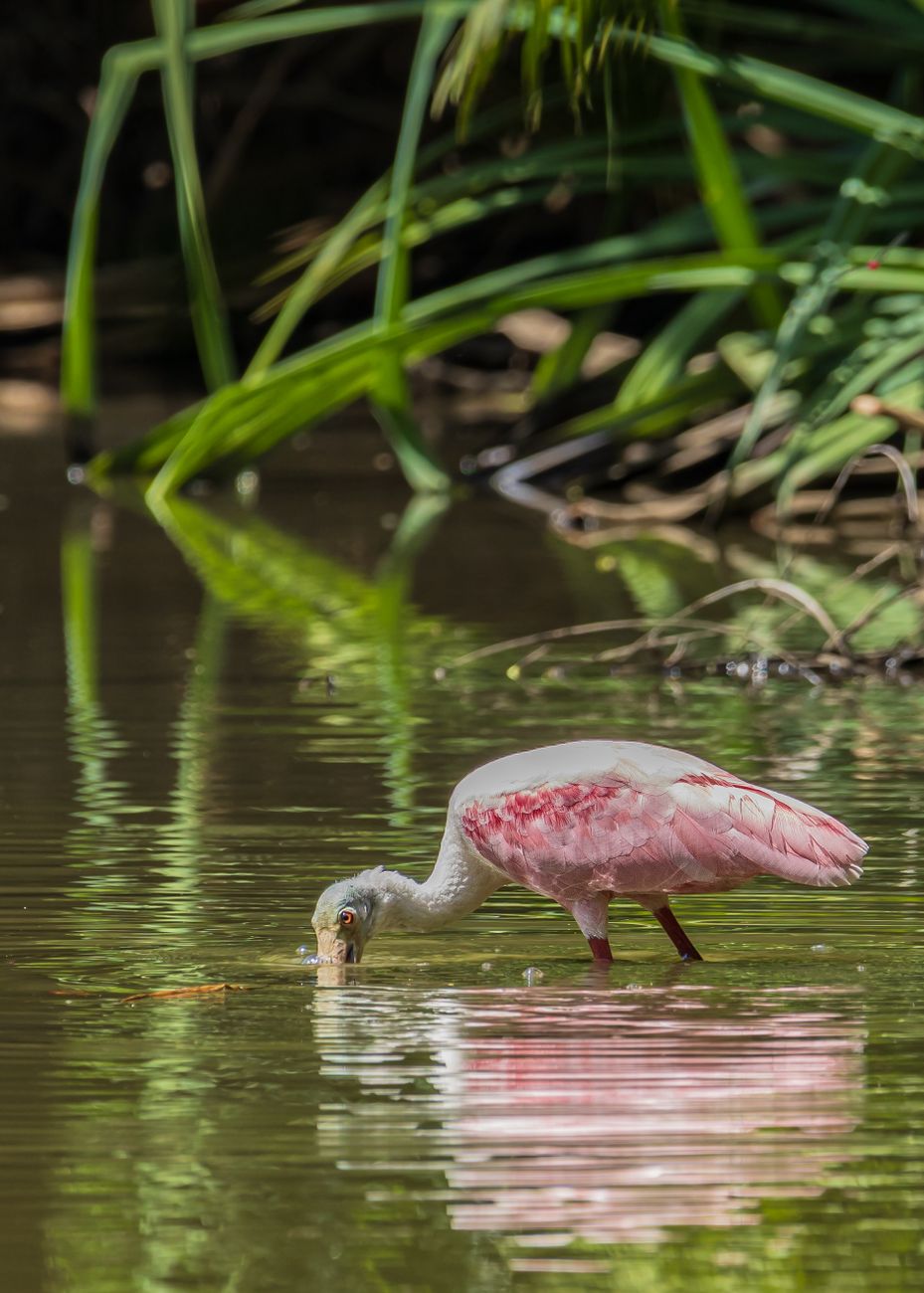
SPOONBILL DUCK
DESCRIPTION
Spoonbill Duck, also known as the Roseate Spoonbill, is a striking bird characterized by its long, spoon-shaped bill and vibrant pink plumage. These birds are often found wading in shallow waters, where they use their unique bills to forage for food. They are social creatures, frequently seen in groups, and are known for their elaborate courtship displays during the breeding season.
FUN FACTS
- Spoonbill Ducks are known for their unique feeding behavior, where they sweep their bills through the water to catch prey, a technique that is both efficient and fascinating to observe
- Additionally, their vibrant pink coloration comes from the carotenoids in their diet, particularly from the crustaceans they consume, making their appearance a reflection of their feeding habits.|These birds are also known for their elaborate courtship displays, which include synchronized movements and vocalizations
- During breeding season, they can often be seen performing these displays in large colonies, creating a spectacular sight in their natural habitats
QUICK INFO
Lifespan15-20 years in the wild, up to 25 in captivity
Average Weight1.5-3 kg
Average Length0.75-1 m
Diet TypeOmnivore
Social StructureThey are typically found in groups, often forming large colonies during breeding.
Activity PatternDiurnal
Breeding SeasonSpring (March-May)
- Habitat
- These birds inhabit wetlands, marshes, and shallow coastal areas, where they can find ample food and nesting sites. They prefer areas with abundant vegetation and open water for foraging.
- Biomes
- Wetlands, Coastal
- Native Range
- Spoonbill Ducks are native to the Americas, primarily found in the southeastern United States, Central America, and parts of South America.
- Continent
- North America, South America
- Countries
- United States, Mexico, Brazil, Argentina
- Diet
- Spoonbill Ducks primarily feed on small fish, crustaceans, and aquatic invertebrates, which they catch by sweeping their bills through the water. Their foraging technique is highly effective in shallow wetlands and marshes.
- Diet Type
- Omnivore
- Favorite Food
- small fish, crustaceans
- Social Structure
- They are typically found in groups, often forming large colonies during breeding.
- Activity Pattern
- Diurnal
- Group Size
- 10-50
- Territorial
- 0

 VU
VU
 LC
LC
1.5-3 kg
Weight
0.75-1 m
Length
- Coloration
- Vibrant pink plumage with a distinctive spoon-shaped bill.
- Sexual Dimorphism
- Males and females are similar in appearance, though males may be slightly larger.
- Lifespan
- 15-20 years in the wild, up to 25 in captivity
- Offspring per Birth
- 2-5
- Sexual Maturity
- 3-4 years
- Breeding Season
- Spring (March-May)
LC
Least Concern
IUCN Red List Status
- Population Status
- The population of Spoonbill Ducks is currently stable, though they face habitat loss in some areas.
- Wild Population Estimate
- 50,000-100,000
- Population Trend
- Stable
- Endangered
- 0
- Threats
- Main threats include habitat destruction due to urban development and pollution. Climate change also poses a risk to their wetland habitats.
- Predators
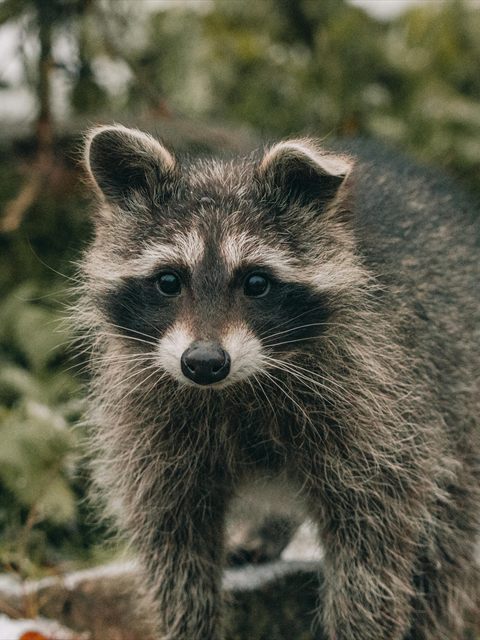
- Alligators, large birds of prey, raccoons
- Defense Mechanisms
- They often rely on their social structure for protection, as well as their ability to fly away from threats.
- Compatible Animals
- Other waterfowl, wading birds
- Found in Zoos
- Uncommon