


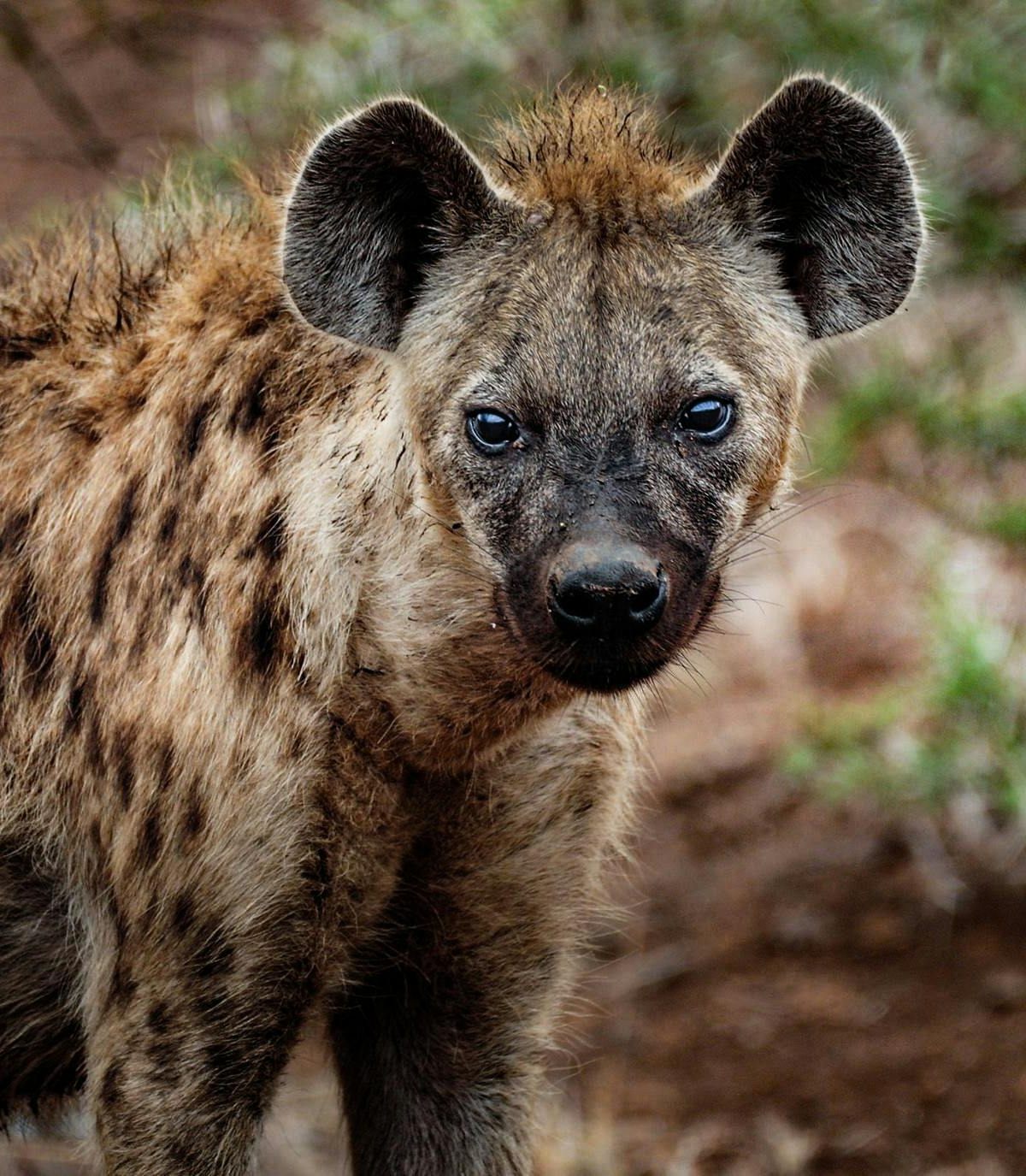
SPOTTED HYENA
Crocuta crocuta
DESCRIPTION
The Spotted Hyena is a large carnivorous mammal known for its distinctive spotted coat and strong social structure. They are often misunderstood due to their scavenging behavior, but they are skilled hunters and play a crucial role in their ecosystem.
FUN FACTS
- Spotted Hyenas have one of the strongest bites of any mammal | They are known for their complex social structures and communication | Female hyenas are more dominant and larger than males
QUICK INFO
Lifespan10-12 years in the wild, up to 25 in captivity
Average Weight50-86 kg
Average Length1.2-1.5 m
Diet TypeCarnivore
Social Structuregroup — they live in matriarchal clans led by dominant females.
Activity PatternNocturnal
Breeding SeasonYear-round
- Habitat
- Spotted Hyenas inhabit a range of environments, including savannas, grasslands, and woodlands. They prefer areas with access to water and abundant prey.
- Biomes
- Savanna, Grassland, Woodland
- Native Range
- Sub-Saharan Africa
- Continent
- Africa
- Countries
- Kenya, Tanzania, South Africa, Botswana, Namibia, Zimbabwe
- Diet
- Spotted Hyenas are primarily carnivorous, feeding on a variety of prey including large ungulates and smaller mammals. They are also known to scavenge from other predators.
- Diet Type
- Carnivore
- Favorite Food
- Wildebeest, zebras, and carrion
- Social Structure
- group — they live in matriarchal clans led by dominant females.
- Activity Pattern
- Nocturnal
- Group Size
- 5-80
- Territorial
- 1
50-86 kg
Weight
1.2-1.5 m
Length
0.8-1.0 m at shoulder
Height (Shoulder)
- Coloration
- Tan or yellowish with dark spots
- Sexual Dimorphism
- Females are larger and more dominant than males.
- Lifespan
- 10-12 years in the wild, up to 25 in captivity
- Gestation Period
- 110 days
- Offspring per Birth
- 1-4
- Sexual Maturity
- 2-3 years
- Breeding Season
- Year-round
LC
Least Concern
IUCN Red List Status
- Population Status
- Stable but varies by region; some areas face threats from habitat loss.
- Wild Population Estimate
- Over 100,000
- Population Trend
- Stable
- Endangered
- 0
- Threats
- Main threats include habitat loss, human-wildlife conflict, and poaching. They are often persecuted due to misconceptions about their behavior.
- Defense Mechanisms
- They use their strong jaws and pack behavior to defend against threats.
- Found in Zoos
- Common