



SPOTTED NECKED OTTER
Lutra maculicollis
DESCRIPTION
The Spotted Necked Otter (Lutra maculicollis) is a medium-sized otter characterized by its distinctive spotted neck and dark brown fur. It has a streamlined body, webbed feet, and a long tail, which aids in swimming. This species is known for its playful behavior and is often seen sliding down mud or snowbanks into the water.
FUN FACTS
- Spotted Necked Otters are known for their intelligence and problem-solving abilities, often using tools to help them access food
- They have a unique vocalization system, which includes a variety of sounds to communicate with each other, making them quite social animals
QUICK INFO
Lifespan10-15 years in the wild, up to 20 in captivity
Average Weight5-10 kg
Average Length0.9-1.2 m
Diet TypePiscivore
Social Structuregroup — they often live in small family units or groups.
Activity PatternDiurnal
Breeding SeasonYear-round, with peaks depending on local conditions
- Habitat
- Spotted Necked Otters inhabit freshwater rivers, lakes, and wetlands, often preferring areas with dense vegetation for cover. They are typically found in regions with abundant aquatic life.
- Biomes
- Freshwater, Wetlands
- Native Range
- The species is native to central and southern Africa, particularly in river systems and lakes.
- Continent
- Africa
- Countries
- Democratic Republic of the Congo, Zambia, Tanzania, Angola, Namibia
- Diet
- The Spotted Necked Otter primarily feeds on fish, crustaceans, and small invertebrates. It is an adept hunter, using its agility in water to catch prey.
- Diet Type
- Piscivore
- Favorite Food
- fish, crustaceans
- Social Structure
- group — they often live in small family units or groups.
- Activity Pattern
- Diurnal
- Group Size
- 2-6
- Territorial
- 1
 VU
VU
 VU
VU
5-10 kg
Weight
0.9-1.2 m
Length
- Coloration
- Dark brown fur with lighter spots on the neck and throat.
- Lifespan
- 10-15 years in the wild, up to 20 in captivity
- Gestation Period
- 60-70 days
- Offspring per Birth
- 2-4
- Sexual Maturity
- 1-2 years
- Breeding Season
- Year-round, with peaks depending on local conditions
LC
Least Concern
IUCN Red List Status
- Population Status
- The population is currently stable, but habitat loss poses a threat.
- Wild Population Estimate
- Unknown
- Population Trend
- Stable
- Endangered
- 0
- Threats
- Main threats include habitat destruction due to agriculture and pollution of water bodies. Additionally, hunting for fur can impact local populations.
- Predators
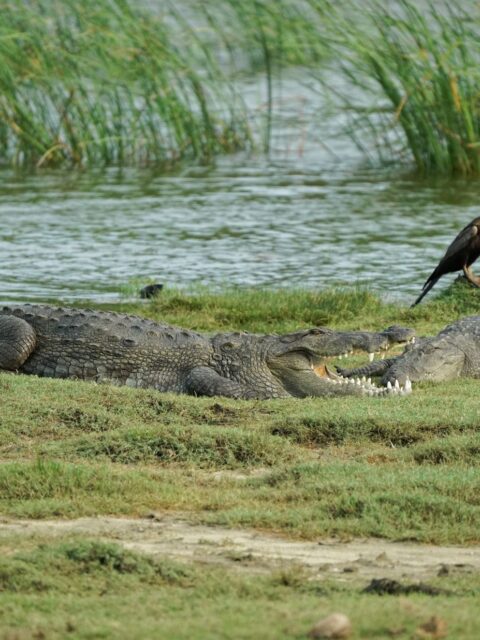
- Large birds of prey, crocodiles, and large carnivores may pose threats to young otters.
- Defense Mechanisms
- They use their agility in water to evade predators and can also dive to escape.
- Found in Zoos
- Uncommon