


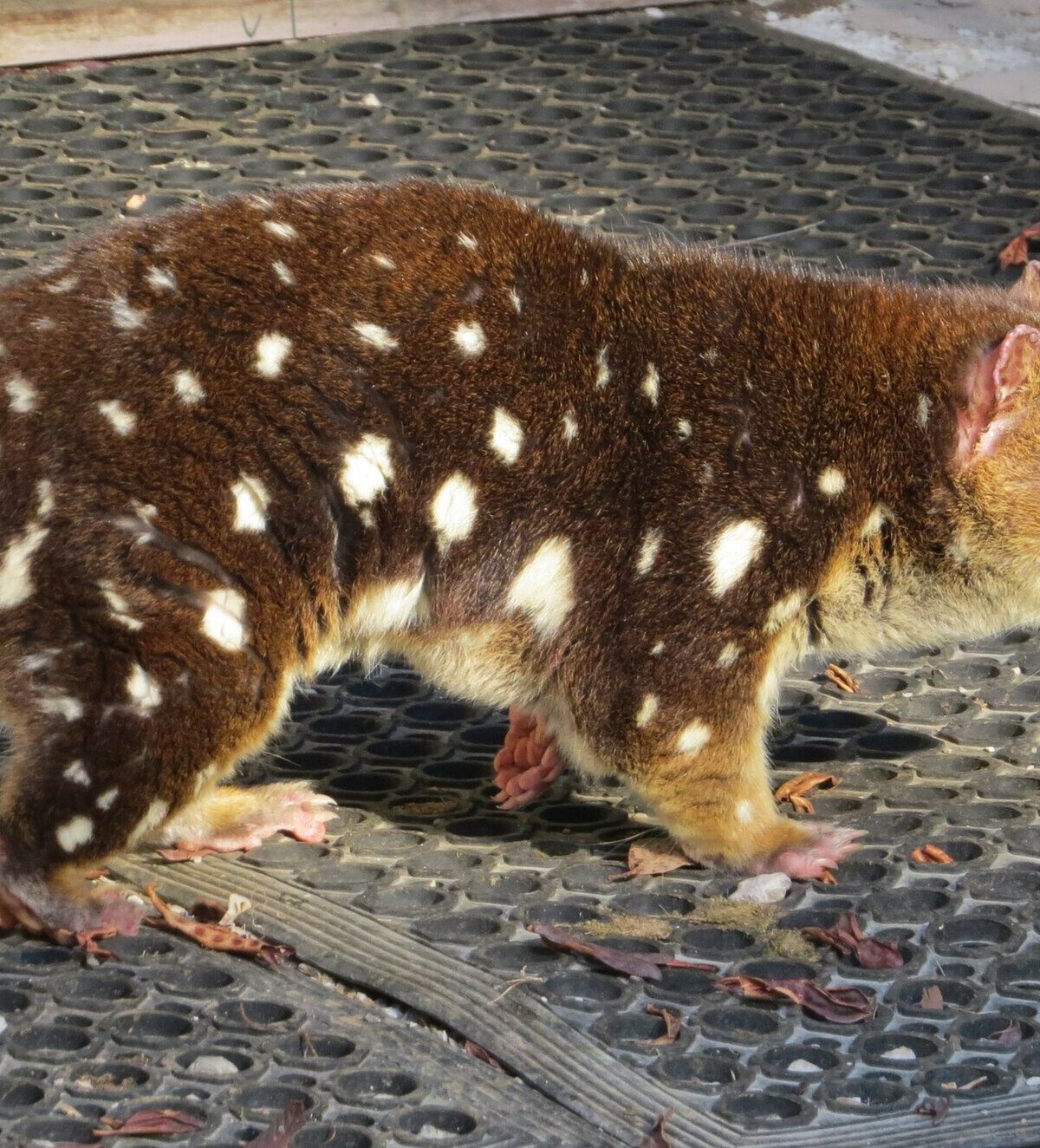
SPOTTED-TAILED QUOLL
Dasyurus maculatus
DESCRIPTION
Spotted-Tailed Quoll (Dasyurus maculatus) is commonly known as the Tiger Quoll or Spotted Quoll due to its distinctive spotted coat and larger size compared to other quolls. This carnivorous marsupial features a robust body, with a fur coat that is typically brown or black with white spots, aiding in camouflage within its forested habitat. Spotted-Tailed Quolls are primarily nocturnal and are known for their solitary behavior, often hunting alone and marking their territory with scent markings.
FUN FACTS
- Spotted-Tailed Quolls are the largest of the quoll species and are known for their unique hunting techniques, which include climbing trees to catch birds and using their keen sense of smell to locate prey
- | They have a fascinating reproductive strategy, where the young are born very small and continue to develop in the mother's pouch for several weeks before emerging to cling to her back as they grow
QUICK INFO
Lifespan5-10 years in the wild, up to 12 years in captivit
Average Weight4-6 kg
Average Length60-75 cm
Diet TypeCarnivore
Social Structuresolitary, they typically live alone except during mating season or when a mother is raising her young.
Activity PatternNocturnal
Breeding SeasonWinter (June-August)
- Habitat
- Spotted-Tailed Quolls inhabit a variety of environments, including forests, woodlands, and coastal heathlands. They prefer areas with dense vegetation for shelter and hunting.
- Biomes
- Temperate Forest, Grassland
- Native Range
- They are native to eastern Australia, including Tasmania and parts of New South Wales, Victoria, and Queensland.
- Continent
- Australia
- Countries
- Australia, Tasmania
- Diet
- They primarily feed on small mammals, birds, and insects, showcasing their role as a top predator in their ecosystem.
- Diet Type
- Carnivore
- Favorite Food
- small mammals, birds
- Social Structure
- solitary, they typically live alone except during mating season or when a mother is raising her young.
- Activity Pattern
- Nocturnal
- Group Size
- 1
- Territorial
- 1
 LC
LC
 EN
EN
 VU
VU
4-6 kg
Weight
60-75 cm
Length
- Coloration
- brown or black fur with white spots
- Sexual Dimorphism
- males are generally larger than females
- Lifespan
- 5-10 years in the wild, up to 12 years in captivit
- Gestation Period
- 21 days
- Offspring per Birth
- 2-6
- Sexual Maturity
- 1 year
- Breeding Season
- Winter (June-August)
VU
Vulnerable
IUCN Red List Status
- Population Status
- The population of Spotted-Tailed Quolls is currently declining due to habitat loss and predation by introduced species.
- Wild Population Estimate
- unknown
- Population Trend
- Decreasing
- Endangered
- 1
- Threats
- Main threats include habitat destruction, competition with invasive species like foxes and cats, and road fatalities. Conservation efforts are needed to protect their habitats and reduce human-wildlife conflict.
- Conservation Program
- Various conservation programs are in place, including habitat restoration and public awareness campaigns.
- Predators
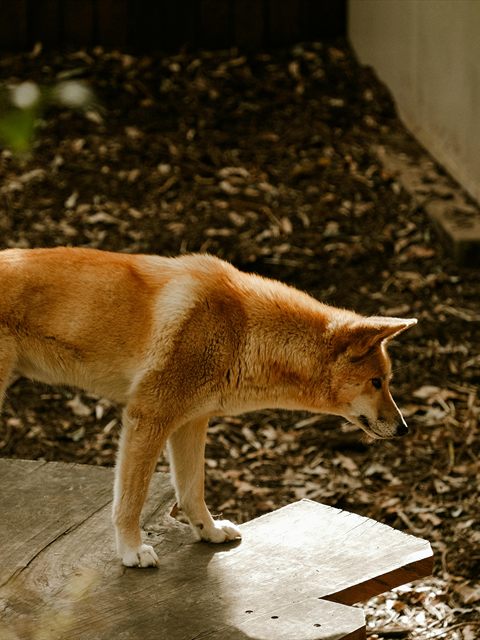
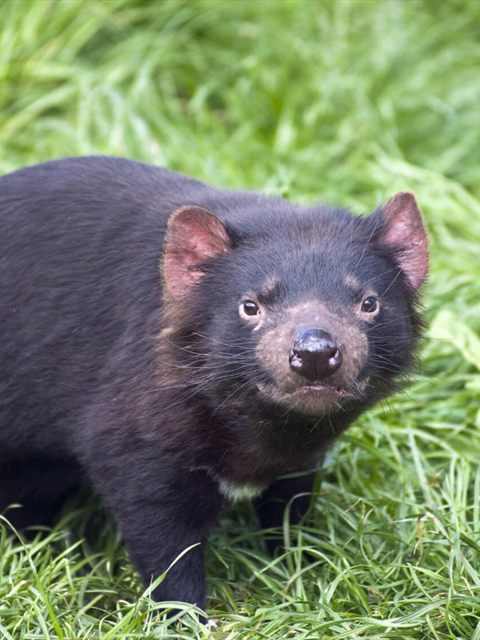
- Dingoes, Tasmanian Devils, and large birds of prey.
- Defense Mechanisms
- They can climb trees to escape predators and use their sharp teeth and claws to defend themselves.
- Found in Zoos
- Uncommon