


SPOTTED TURTLE
Clemmys guttata
DESCRIPTION
The Spotted Turtle (Clemmys guttata) is a small, semi-aquatic turtle known for its distinctive yellow or white spots on a dark shell. Adults typically reach a carapace length of 4 to 5 inches, making them one of the smaller turtle species in North America. They are often found in shallow waters and wetlands, where they bask on logs or rocks and forage for food.
FUN FACTS
- Spotted Turtles are often considered a symbol of wetland health, as their presence indicates a healthy ecosystem
- They are also known for their long lifespan, with some individuals living over 30 years in captivity, making them a fascinating species for both researchers and turtle enthusiasts
QUICK INFO
Lifespan20-30 years in the wild
Average Weight0.5-1 kg
Average Length10-13 cm
Diet TypeOmnivore
Social Structuresolitary, occasionally seen in small groups during basking
Activity PatternDiurnal
Breeding SeasonSpring (April-June)
- Habitat
- Spotted Turtles inhabit shallow, slow-moving waters such as ponds, marshes, and swamps. They prefer areas with abundant vegetation and basking sites.
- Biomes
- Wetlands, Freshwater
- Native Range
- The Spotted Turtle is native to the eastern United States and parts of Canada, primarily found in the northeastern and Great Lakes regions.
- Continent
- North America
- Countries
- United States, Canada
- Diet
- Spotted Turtles are omnivorous, feeding on a variety of aquatic plants, insects, and small invertebrates. Their diet can vary based on seasonal availability and habitat.
- Diet Type
- Omnivore
- Favorite Food
- aquatic plants, insects, small invertebrates
- Social Structure
- solitary, occasionally seen in small groups during basking
- Activity Pattern
- Diurnal
- Group Size
- 1-5
- Territorial
- 0
 LC
LC

 VU
VU
0.5-1 kg
Weight
10-13 cm
Length
- Coloration
- dark brown to black shell with yellow or white spots
- Sexual Dimorphism
- males tend to have slightly larger heads and longer tails than females
- Lifespan
- 20-30 years in the wild
- Offspring per Birth
- 3-8
- Sexual Maturity
- 5-7 years
- Breeding Season
- Spring (April-June)
EN
Endangered
IUCN Red List Status
- Population Status
- The population of Spotted Turtles is declining due to habitat loss and other threats.
- Wild Population Estimate
- unknown
- Population Trend
- Decreasing
- Endangered
- 1
- Threats
- Main threats include habitat destruction, pollution, and collection for the pet trade. These factors have significantly impacted their populations in the wild.
- Conservation Program
- Various local conservation efforts are in place to protect their habitats and raise awareness about their declining numbers.
- Predators
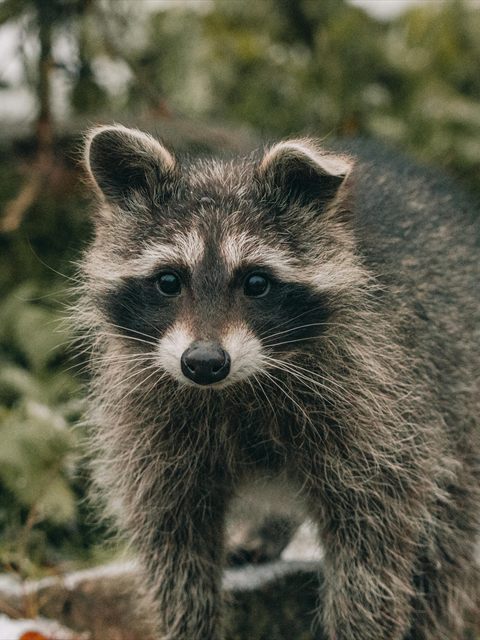
- Raccoons, foxes, birds of prey, and large fish are known to prey on Spotted Turtles.
- Defense Mechanisms
- Spotted Turtles can retract into their shells for protection and may also use camouflage to avoid detection.
- Found in Zoos
- Uncommon