


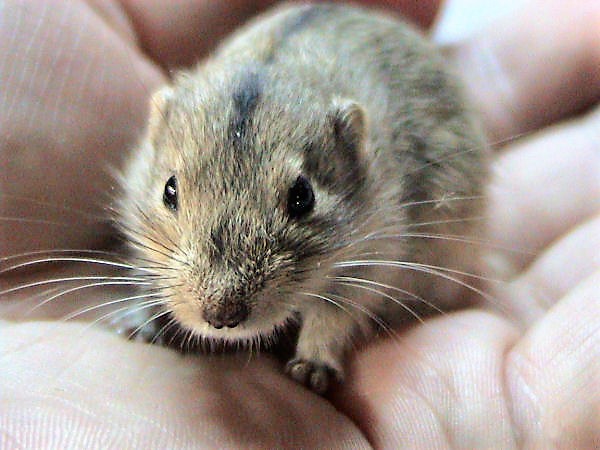
STEPPE LEMMING
Lagurus lagurus
DESCRIPTION
Steppe Lemming (Lagurus lagurus) is a small rodent characterized by its compact body, short limbs, and a short tail. It has a dense fur coat that is typically brown or grayish, providing excellent camouflage in its grassland habitat. This species is known for its burrowing behavior and social structure, often living in colonies that can number in the hundreds, which helps them avoid predators and thrive in their environment.
FUN FACTS
- Steppe Lemmings are known for their remarkable population cycles, which can lead to dramatic increases in numbers every few years
- During these population booms, they can be seen in large numbers, which can attract various predators and create a dynamic ecosystem
- | Despite their name, Steppe Lemmings do not exhibit the mass migration behavior often associated with lemmings in popular culture; instead, they tend to remain in their established territories unless forced to relocate due to environmental pressures
QUICK INFO
Lifespan1-2 years in the wild
Average Weight50-100 g
Average Length10-15 cm
Diet TypeHerbivore
Social Structuregroup — they live in colonies that can consist of many individuals, which helps in social interactions and protection against predators.
Activity PatternDiurnal
Breeding SeasonSpring to early summer
- Habitat
- Steppe Lemmings inhabit open grasslands, steppes, and tundra regions where vegetation is plentiful. They create extensive burrow systems that provide shelter and protection from predators.
- Biomes
- Grassland, Tundra
- Native Range
- Steppe Lemmings are native to the Eurasian steppes, particularly found in regions of Eastern Europe and Central Asia.
- Continent
- Europe, Asia
- Countries
- Russia, Kazakhstan, Ukraine, Mongolia
- Diet
- Steppe Lemmings primarily feed on grasses, herbs, and other vegetation, making them herbivorous. They are known to consume a variety of plant materials, which are abundant in their grassland habitats.
- Diet Type
- Herbivore
- Favorite Food
- grasses, herbs
- Social Structure
- group — they live in colonies that can consist of many individuals, which helps in social interactions and protection against predators.
- Activity Pattern
- Diurnal
- Group Size
- 50-200
- Territorial
- 0

 VU
VU
 LC
LC
 LC
LC
50-100 g
Weight
10-15 cm
Length
- Coloration
- brown or grayish fur with a dense undercoat
- Sexual Dimorphism
- males and females are similar in size and appearance
- Lifespan
- 1-2 years in the wild
- Gestation Period
- 20-25 days
- Offspring per Birth
- 3-8
- Sexual Maturity
- 2-3 months
- Breeding Season
- Spring to early summer
LC
Least Concern
IUCN Red List Status
- Population Status
- The population of Steppe Lemmings can fluctuate significantly based on environmental conditions and predation.
- Wild Population Estimate
- unknown
- Population Trend
- Stable
- Endangered
- 0
- Threats
- Main threats include habitat loss due to agricultural expansion and predation by various carnivores. Climate change may also impact their habitat and food availability.
- Predators
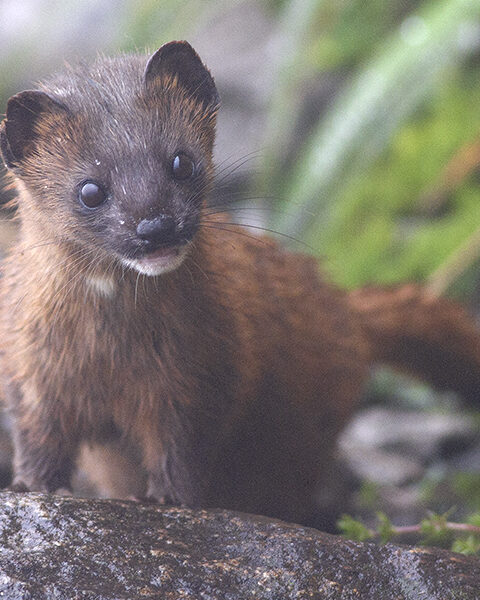
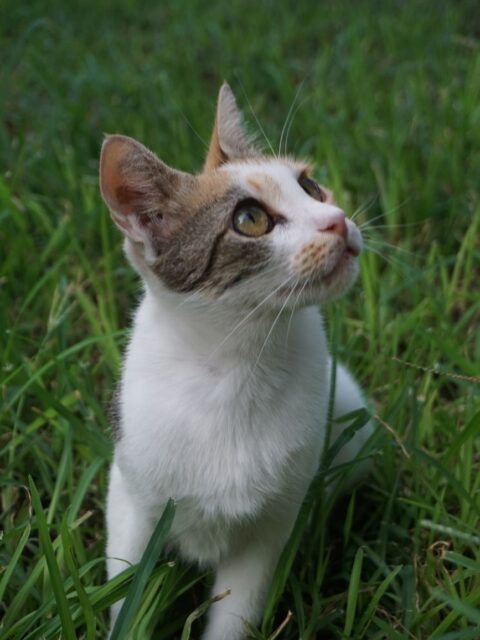
- foxes, birds of prey, weasels, and domestic cats
- Defense Mechanisms
- They rely on their burrowing behavior for protection and can quickly escape into their tunnels when threatened.
- Found in Zoos
- Rare