


STORK
DESCRIPTION
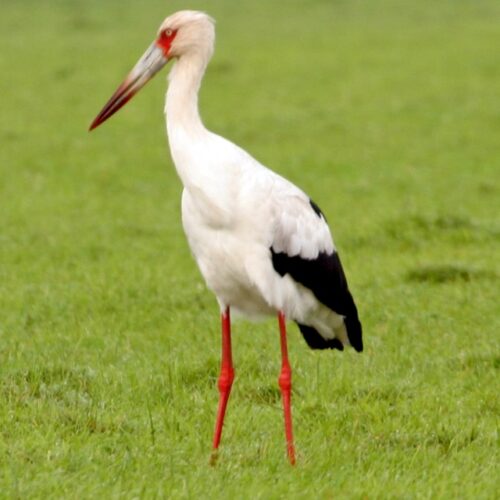
Storks are large, long-legged wading birds known for their distinctive long necks and beaks. They typically have a white body with black wing feathers, although some species exhibit different color patterns. Storks are known for their migratory behavior, often traveling long distances between breeding and wintering grounds, and they are also recognized for their elaborate courtship displays.
FUN FACTS
- Storks are often associated with folklore and mythology, particularly the belief that they deliver babies
- This myth likely originated from their nesting habits on rooftops and their presence during the spring, coinciding with the birth of many animals
- | Storks are migratory birds, with some species traveling thousands of kilometers between their breeding and wintering grounds
- They are known to return to the same nesting sites year after year, showcasing their strong homing instincts
QUICK INFO
Lifespan20-30 years in the wild
Average Weight2.5-4 kg
Average Length0.7-1.0 m
Diet TypeCarnivore
Social Structurepair, often forming monogamous pairs that mate for life
Activity PatternDiurnal
Breeding SeasonSpring (March-May)
- Habitat
- Storks inhabit wetlands, marshes, and grasslands, where they can find ample food sources. They often build their nests in tall trees or on man-made structures near water bodies.
- Biomes
- Wetlands, Grasslands
- Native Range
- Storks are found across Europe, Asia, Africa, and parts of the Americas, with different species adapted to various regions.
- Continent
- Europe, Asia, Africa
- Countries
- Germany, Poland, India, South Africa
- Diet
- Storks primarily feed on a variety of small animals, including fish, amphibians, and insects. They are skilled hunters, often seen foraging in shallow waters or wetlands.
- Diet Type
- Carnivore
- Favorite Food
- fish, frogs, insects
- Social Structure
- pair, often forming monogamous pairs that mate for life
- Activity Pattern
- Diurnal
- Group Size
- 5-50
- Territorial
- 0

 LC
LC
 VU
VU
2.5-4 kg
Weight
0.7-1.0 m
Length
- Coloration
- primarily white with black wing feathers
- Sexual Dimorphism
- males and females are similar in appearance, with slight size differences
- Lifespan
- 20-30 years in the wild
- Offspring per Birth
- 2-5
- Sexual Maturity
- 3-4 years
- Breeding Season
- Spring (March-May)
LC
Least Concern
IUCN Red List Status
- Population Status
- Many stork species have stable populations, but some are threatened due to habitat loss.
- Wild Population Estimate
- 100,000-200,000
- Population Trend
- Stable
- Endangered
- 0
- Threats
- Main threats include habitat destruction, pollution, and climate change, which affect their breeding and feeding grounds.
- Conservation Program
- Various international conservation efforts are in place to protect wetland habitats.
- Predators
- foxes, eagles, large birds of prey, and humans
- Defense Mechanisms
- Storks rely on their size and ability to fly to escape predators, and they may also use their sharp beaks to defend themselves.
- Compatible Animals
- ducks, geese, other wading birds
- Found in Zoos
- Common