


STRAW-NECKED IBIS
Threskiornis spinicollis
DESCRIPTION
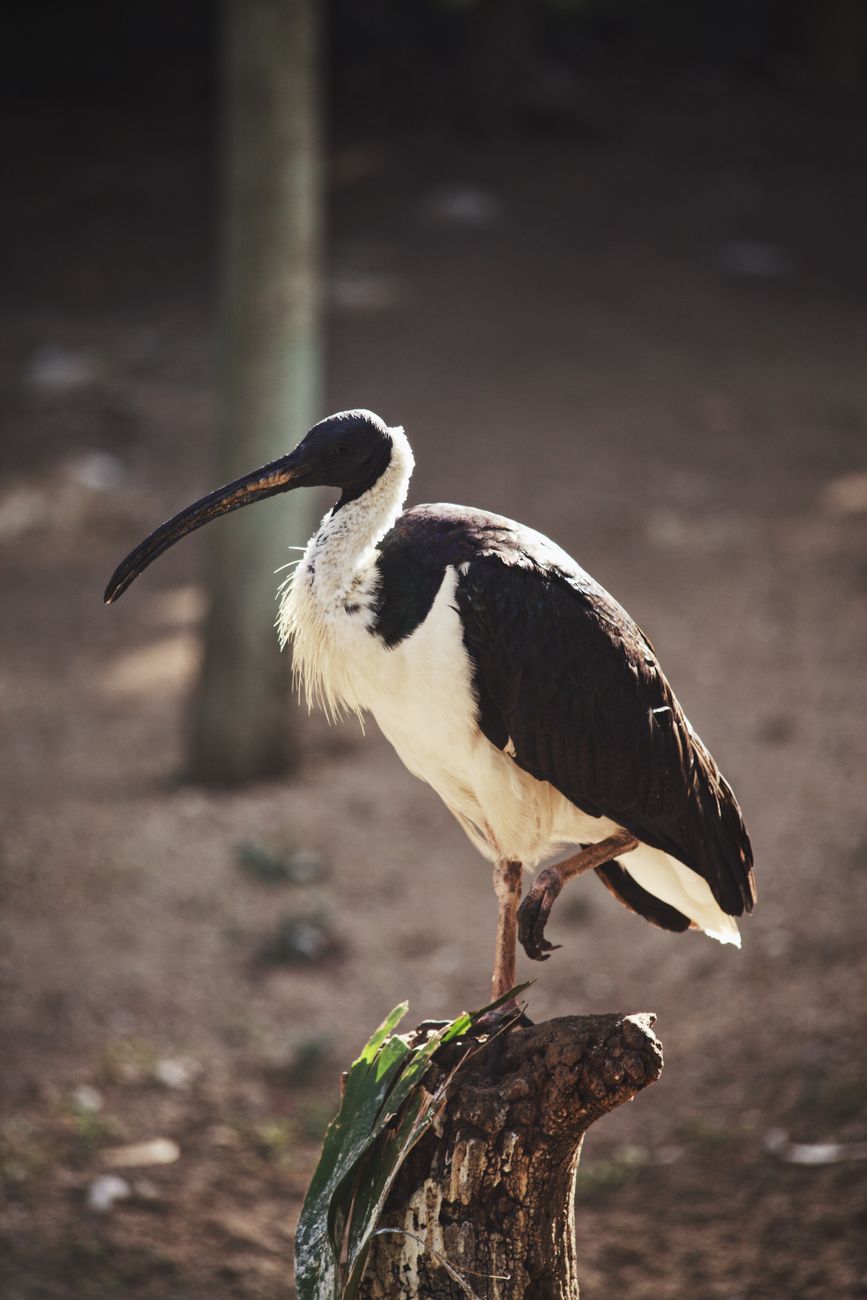
Straw-necked Ibis (Threskiornis spinicollis) is a distinctive bird known for its striking straw-colored neck feathers that contrast with its dark plumage. This species exhibits a long, curved bill, which it uses to probe mud and shallow waters for food. Typically found in wetlands, it is a social bird that often forages in groups, displaying a range of vocalizations during its activities.
FUN FACTS
- Straw-necked Ibises are known for their unique courtship displays, which include elaborate dances and vocalizations that can be quite a spectacle during breeding season
- Additionally, they have a fascinating feeding behavior where they can often be seen foraging in large groups, using their long bills to sift through mud and water, showcasing their adaptability to various wetland environments
QUICK INFO
Lifespan10-15 years in the wild, up to 20 years in captivi
Average Weight0.7-1.5 kg
Average Length65-75 cm
Diet TypeOmnivore
Social Structuregroup — they are often seen foraging and roosting in flocks.
Activity PatternDiurnal
Breeding SeasonSpring to early summer (August to January)
- Habitat
- This species inhabits wetlands, including swamps, marshes, and floodplains. It prefers areas with abundant water and vegetation, which provide ample foraging opportunities.
- Biomes
- Wetlands, Grasslands
- Native Range
- The Straw-necked Ibis is native to Australia and parts of New Guinea, often found in the eastern and northern regions of Australia.
- Continent
- Australia, Oceania
- Countries
- Australia, Papua New Guinea
- Diet
- The Straw-necked Ibis primarily feeds on invertebrates, small fish, and plant material found in wetland habitats. It uses its long bill to search through mud and water for its food.
- Diet Type
- Omnivore
- Favorite Food
- invertebrates, small fish
- Social Structure
- group — they are often seen foraging and roosting in flocks.
- Activity Pattern
- Diurnal
- Group Size
- 10-100
- Territorial
- 0

 LC
LC
0.7-1.5 kg
Weight
65-75 cm
Length
- Coloration
- The body is predominantly dark with a glossy sheen, while the neck features distinctive straw-colored feathers.
- Sexual Dimorphism
- males and females are similar in appearance, though males are generally larger.
- Lifespan
- 10-15 years in the wild, up to 20 years in captivi
- Offspring per Birth
- 2-4
- Sexual Maturity
- 2-3 years
- Breeding Season
- Spring to early summer (August to January)
LC
Least Concern
IUCN Red List Status
- Population Status
- The population of Straw-necked Ibises is currently stable, with no immediate threats to their numbers.
- Wild Population Estimate
- 50,000-100,000
- Population Trend
- Stable
- Endangered
- 0
- Threats
- Main threats include habitat loss due to wetland drainage and pollution. Climate change also poses a risk by altering their natural habitats.
- Predators
- foxes, eagles, and large reptiles are known to prey on Straw-necked Ibises, particularly their eggs and young.
- Defense Mechanisms
- They often rely on their social structure for protection, using group vigilance to detect predators.
- Found in Zoos
- Uncommon