


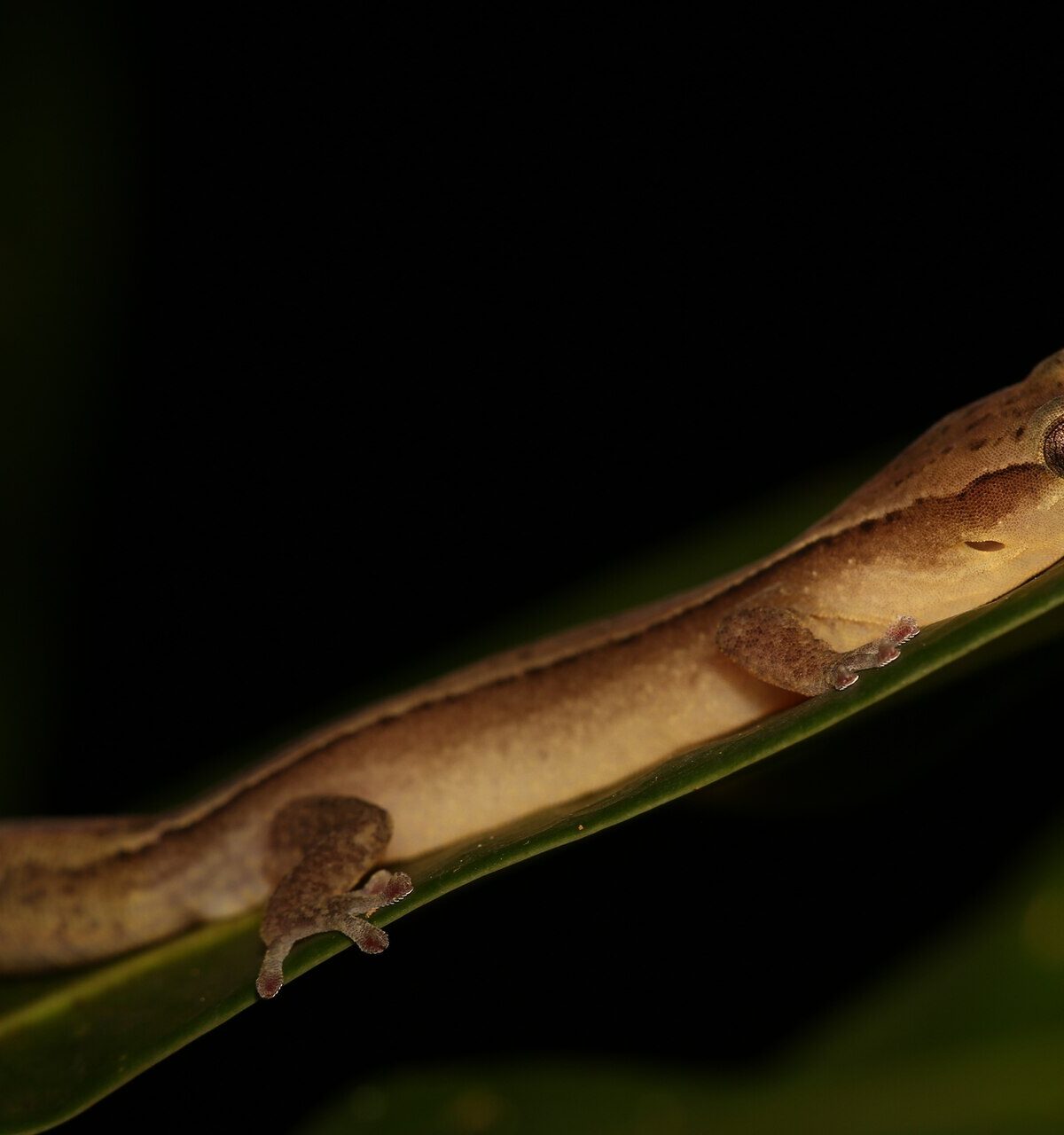
STRIPED GECKO
DESCRIPTION
Striped Gecko is a small to medium-sized lizard known for its distinctive striped pattern that runs along its body. This gecko exhibits a range of colors, typically featuring shades of brown, gray, or tan, which help it blend into its natural habitat. Striped Geckos are primarily nocturnal, displaying active foraging behavior at night, and they are often found in rocky or arid environments where they can easily hide from predators.
FUN FACTS
- Striped Geckos have a unique ability to regenerate their tails after losing them, which is a common defense mechanism among lizards
- This regeneration process can take several weeks, and the new tail may differ in appearance from the original
- | These geckos are also known for their vocalizations, which they use to communicate with each other, especially during the breeding season
- Their calls can vary in pitch and intensity, making them quite distinctive among lizard species
QUICK INFO
Lifespan5-10 years in the wild, up to 15 years in captivit
Average Length10-15 cm
Diet TypeInsectivore
Social Structuresolitary, with individuals often defending their own territory
Activity PatternNocturnal
Breeding SeasonSpring (September-November)
- Habitat
- These geckos inhabit rocky outcrops, dry forests, and scrublands, often preferring areas with plenty of crevices for shelter. They are well-adapted to arid environments, utilizing their camouflage to avoid detection.
- Biomes
- Desert, Dry Forest
- Native Range
- Striped Geckos are native to Australia, particularly in the eastern and northern regions.
- Continent
- Australia
- Countries
- Australia
- Diet
- Striped Geckos primarily feed on insects and other small invertebrates. They are opportunistic feeders, often hunting at night when their prey is most active.
- Diet Type
- Insectivore
- Favorite Food
- crickets, beetles, and other small insects
- Social Structure
- solitary, with individuals often defending their own territory
- Activity Pattern
- Nocturnal
- Group Size
- 1
- Territorial
- 1
 VU
VU
 LC
LC
10-15 cm
Length
- Coloration
- striped pattern with shades of brown, gray, or tan
- Sexual Dimorphism
- males tend to be slightly larger than females
- Lifespan
- 5-10 years in the wild, up to 15 years in captivit
- Offspring per Birth
- 1-2
- Sexual Maturity
- 1-2 years
- Breeding Season
- Spring (September-November)
LC
Least Concern
IUCN Red List Status
- Population Status
- The population of Striped Geckos is currently stable, with no significant threats to their numbers.
- Population Trend
- Stable
- Endangered
- 0
- Threats
- Main threats include habitat loss due to land development and invasive species that compete for resources. However, they are not currently facing significant population declines.
- Predators
- birds of prey, snakes, and larger reptiles
- Defense Mechanisms
- Striped Geckos rely on their camouflage to avoid detection and can also drop their tails to escape predators.
- Found in Zoos
- Uncommon