


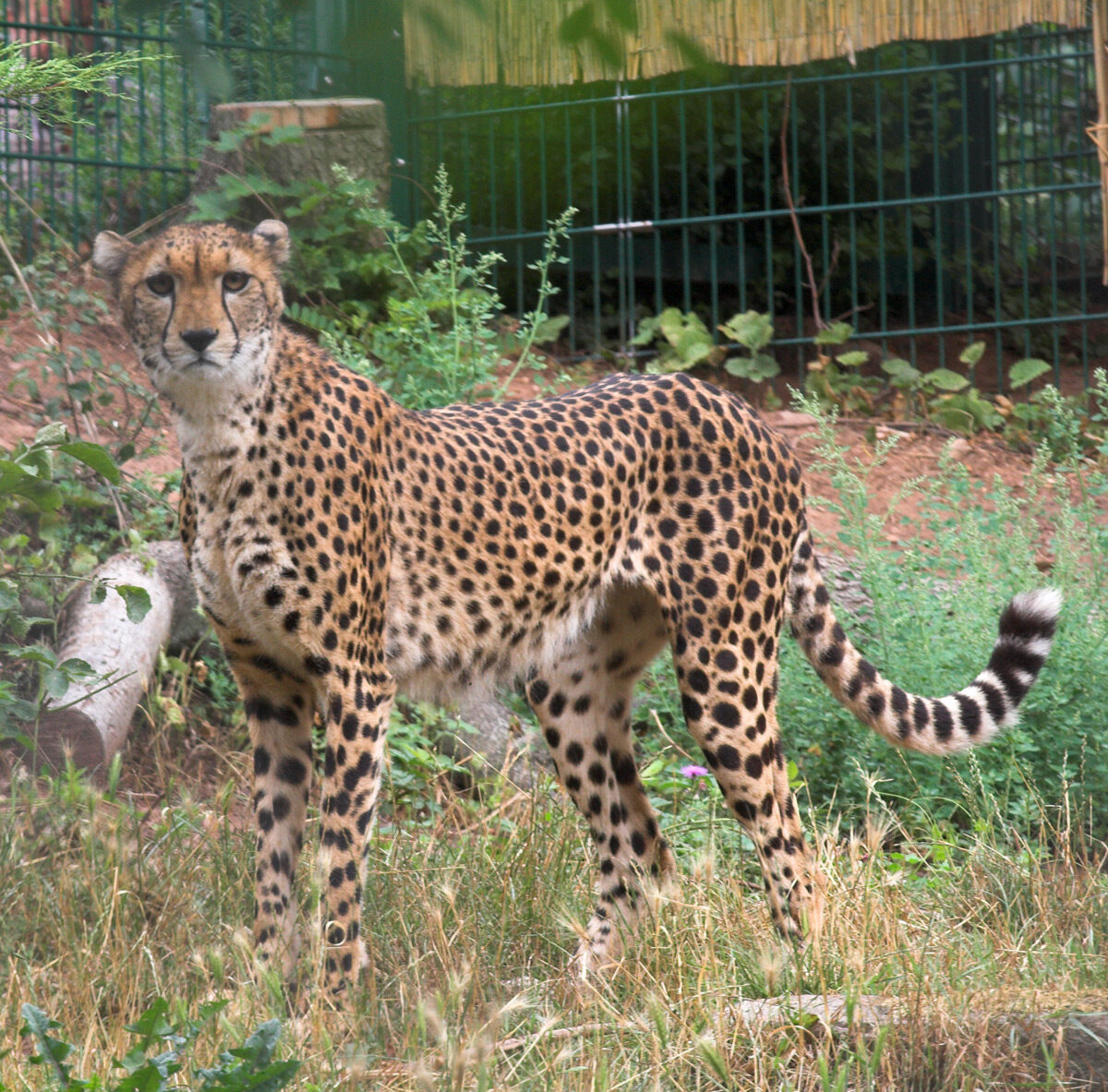
SUDAN CHEETAH
DESCRIPTION
Also called the African Cheetah, the Sudan Cheetah is a subspecies of the cheetah known for its slender body and long legs, which are adapted for speed. This species has a distinctive coat with black spots on a tawny background, allowing it to blend into its savanna habitat. Sudan Cheetahs are primarily solitary animals, known for their incredible speed and agility, which they use to hunt prey in open grasslands.
FUN FACTS
- Cheetahs are the fastest land animals, capable of reaching speeds up to 75 mph in short bursts covering distances up to 500 meters
- Their unique body structure, including a lightweight frame and long legs, allows them to accelerate quickly and make sharp turns while chasing prey
- | Unlike other big cats, cheetahs cannot roar; instead, they communicate through a variety of vocalizations, including purring, chirping, and hissing
- Their distinctive chirping sound is often used to locate other cheetahs, especially during the mating season
QUICK INFO
Lifespan10-12 years in the wild, up to 20 years in captivi
Average Weight21-72 kg
Average Length1.1-1.5 m
Diet TypeCarnivore
Social StructureSolitary, with males and females typically living alone except during mating or a mother with her cubs.
Activity PatternDiurnal
Breeding SeasonYear-round, with peaks depending on local conditions
- Habitat
- Sudan Cheetahs inhabit open savannas and grasslands where they can utilize their speed for hunting. They prefer areas with some cover for stalking prey, such as bushes or tall grass.
- Biomes
- Savanna, Grassland
- Native Range
- The native range of the Sudan Cheetah includes parts of northeastern Africa, particularly in Sudan and surrounding regions.
- Continent
- Africa
- Countries
- Sudan, South Sudan
- Diet
- Sudan Cheetahs primarily hunt small to medium-sized ungulates, such as gazelles and impalas. They rely on their speed and keen eyesight to stalk and chase down their prey.
- Diet Type
- Carnivore
- Favorite Food
- Gazelles, Impalas
- Social Structure
- Solitary, with males and females typically living alone except during mating or a mother with her cubs.
- Activity Pattern
- Diurnal
- Group Size
- 1-3
- Territorial
- 1
 LC
LC
 LC
LC
 VU
VU
21-72 kg
Weight
1.1-1.5 m
Length
0.7-0.9 m at shoulder
Height (Shoulder)
- Coloration
- Tawny coat with black spots
- Sexual Dimorphism
- Males are generally larger than females.
- Lifespan
- 10-12 years in the wild, up to 20 years in captivi
- Gestation Period
- 90-95 days
- Offspring per Birth
- 3-5
- Sexual Maturity
- 2-3 years
- Breeding Season
- Year-round, with peaks depending on local conditions
EN
Endangered
IUCN Red List Status
- Population Status
- The population of Sudan Cheetahs is currently declining due to habitat loss and hunting.
- Wild Population Estimate
- Less than 10,000
- Population Trend
- Decreasing
- Endangered
- 1
- Threats
- Main threats include habitat destruction, poaching, and competition with livestock. These factors have led to a significant decline in their population.
- Conservation Program
- Various conservation programs are in place to protect cheetah habitats and reduce human-wildlife conflict.
- Predators
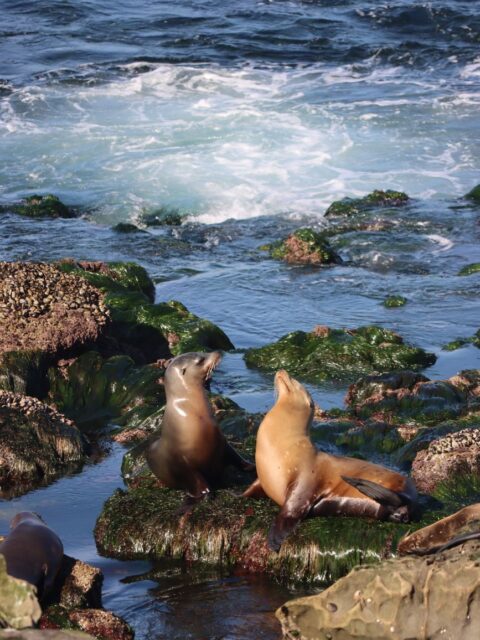
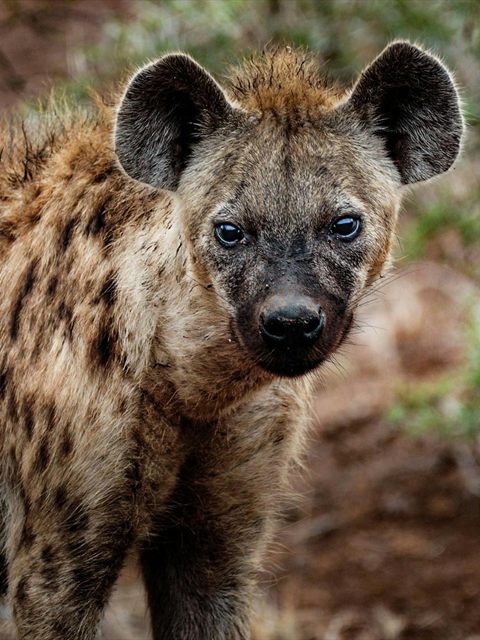
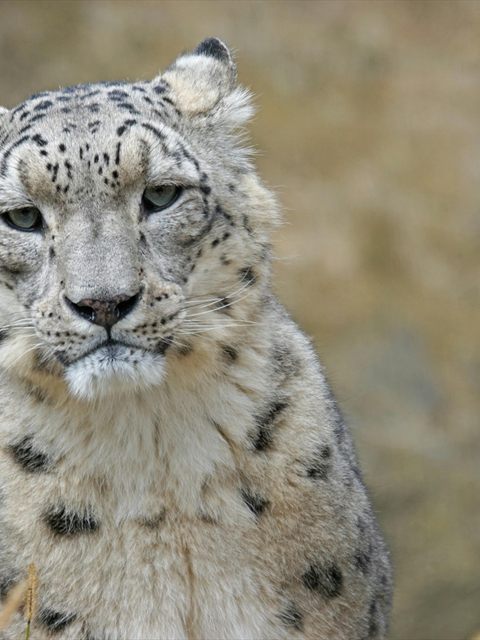
- Lions, Hyenas, Leopards
- Defense Mechanisms
- Sudan Cheetahs rely on their speed and agility to escape predators rather than physical defenses.
- Compatible Animals
- None
- Found in Zoos
- Uncommon