


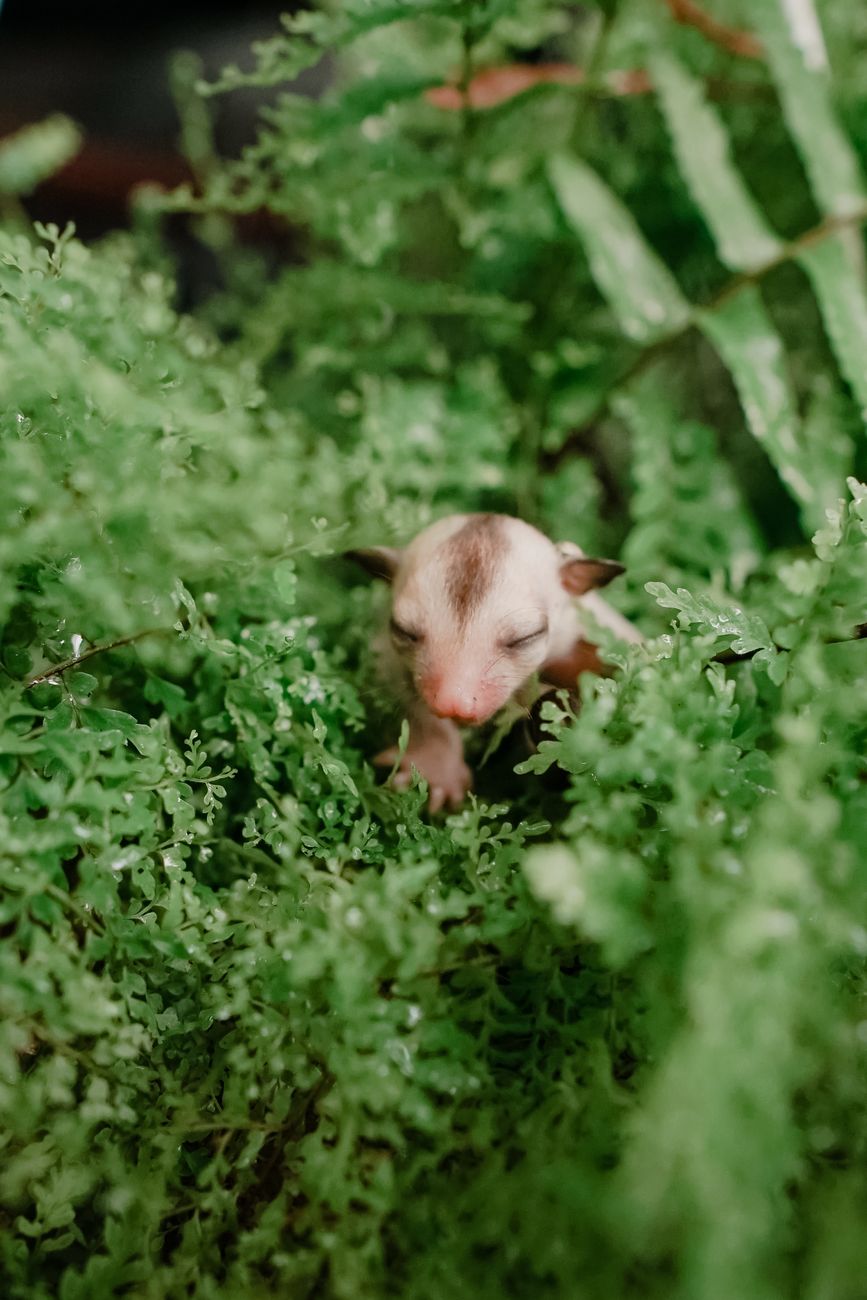
SUGAR GLIDER
Petaurus breviceps
DESCRIPTION
Sugar glider (Petaurus breviceps) is a small, nocturnal marsupial known for its ability to glide through the air thanks to a membrane stretching from its wrists to its ankles. They have large, expressive eyes and a soft, grayish-brown fur with a cream-colored underside, making them quite appealing. Social and playful, sugar gliders are often found in groups and are known for their vocalizations, which include chirps and barks, as they communicate with one another in their natural habitat.
FUN FACTS
- Sugar gliders have a unique ability to glide up to 150 feet (45 meters) between trees, using their patagium, a membrane that extends from their wrists to their ankles
- This adaptation not only helps them escape predators but also allows them to access food sources that are otherwise out of reach
- | They are known for their strong social bonds and often groom each other, which helps to reinforce their relationships within the group
- In captivity, they can become quite attached to their human caregivers, displaying affectionate behaviors
QUICK INFO
Lifespan9-15 years in the wild, up to 17 years in captivit
Average Weight100-160 g
Average Length24-30 cm
Diet TypeOmnivore
Social Structuregroup — they often live in small family groups or colonies.
Activity PatternNocturnal
Breeding SeasonSpring to early summer
- Habitat
- Sugar gliders inhabit forests and woodlands, particularly in areas with abundant eucalyptus trees. They are highly arboreal, spending most of their time in the canopy.
- Biomes
- Tropical Rainforest, Temperate Forest
- Native Range
- Sugar gliders are native to Australia, New Guinea, and the surrounding islands.
- Continent
- Australia, Oceania
- Countries
- Australia, New Guinea, Indonesia
- Diet
- Sugar gliders primarily feed on nectar, fruits, and insects, making them opportunistic feeders. They have a specialized diet that allows them to thrive in their arboreal environments.
- Diet Type
- Omnivore
- Favorite Food
- nectar, fruits, insects
- Social Structure
- group — they often live in small family groups or colonies.
- Activity Pattern
- Nocturnal
- Group Size
- 5-10
- Territorial
- 0
 VU
VU
 LC
LC

100-160 g
Weight
24-30 cm
Length
- Coloration
- grayish-brown fur with a cream-colored underside
- Sexual Dimorphism
- males are generally larger than females
- Lifespan
- 9-15 years in the wild, up to 17 years in captivit
- Gestation Period
- 16 days
- Offspring per Birth
- 1-2
- Sexual Maturity
- 6-12 months
- Breeding Season
- Spring to early summer
LC
Least Concern
IUCN Red List Status
- Population Status
- The population of sugar gliders is currently stable, though they face habitat loss in some areas.
- Wild Population Estimate
- unknown
- Population Trend
- Stable
- Endangered
- 0
- Threats
- Main threats include habitat destruction due to logging and urban development, as well as predation by introduced species such as cats and foxes. Conservation efforts are focused on habitat preservation.
- Predators
- birds of prey, snakes, cats, foxes
- Defense Mechanisms
- Sugar gliders can glide away from predators and use their agility to escape. They also have a strong social structure that helps them alert each other to danger.
- Compatible Animals
- other marsupials, small rodents
- Found in Zoos
- Common