


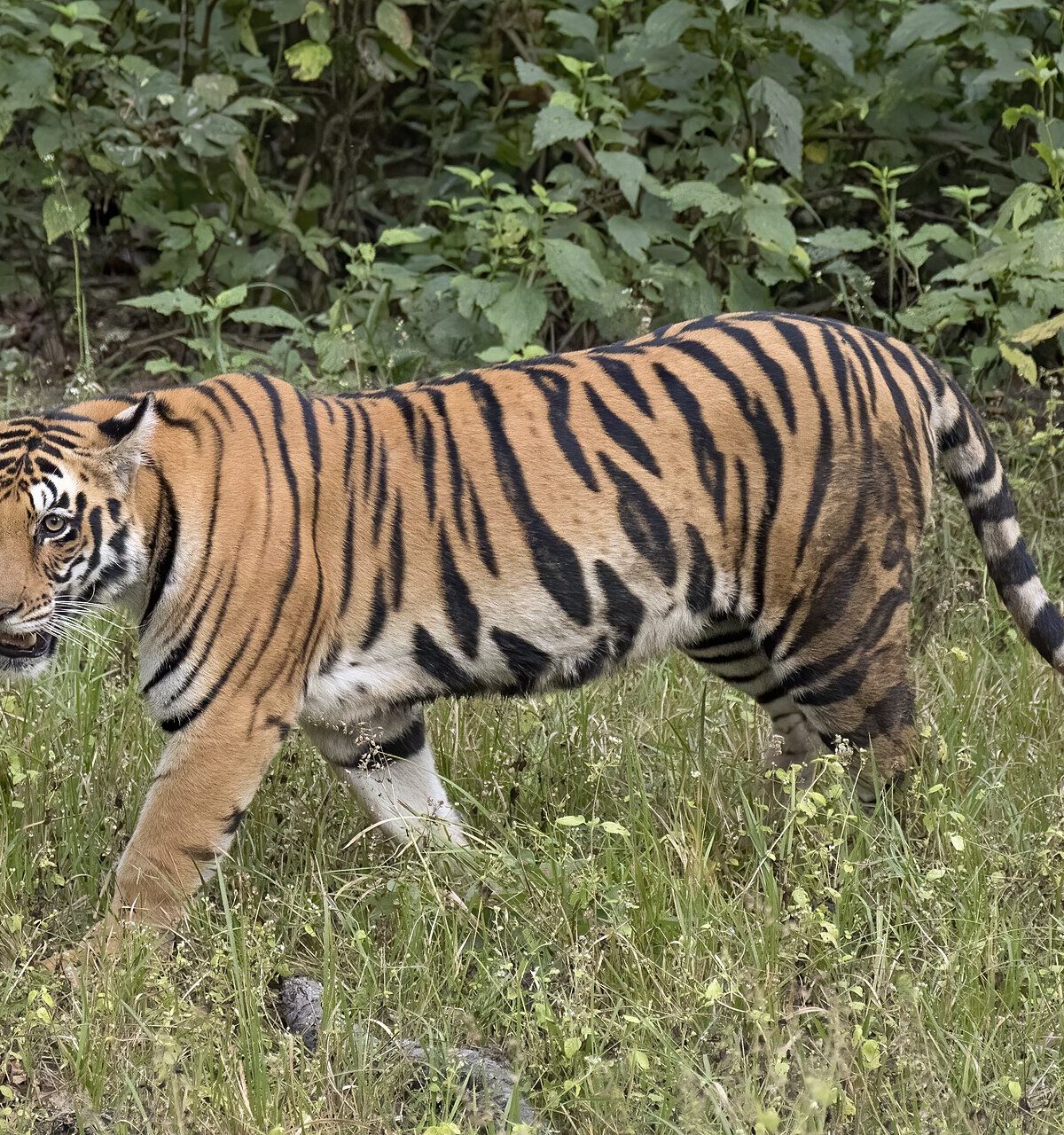
SUNDA ISLAND TIGER
Panthera tigris sondaica
DESCRIPTION
Sunda Island Tiger (Panthera tigris sondaica), also known as the Javan Tiger, is a subspecies of tiger that was native to the islands of Java and Bali in Indonesia. This tiger is characterized by its smaller size compared to other tiger subspecies, with a more slender build and a unique coat pattern that features darker stripes on a lighter background. They are solitary hunters, primarily active during the night, and play a crucial role in their ecosystem as apex predators, helping to maintain the balance of prey populations.
FUN FACTS
- The Sunda Island Tiger was one of the smallest tiger subspecies, adapted to the dense forests of Java and Bali
- Its extinction is a stark reminder of the impact of human activity on wildlife populations, as it was driven to extinction within a few decades due to habitat destruction and hunting
- | Unlike other tiger subspecies, the Sunda Island Tiger had a unique pattern of stripes that were closer together, making them appear more distinct
- This adaptation may have helped them blend into the dense foliage of their rainforest habitat, aiding in their hunting strategy
QUICK INFO
Lifespan10-15 years in the wild, up to 20 years in captivi
Average Weight90-140 kg
Average Length2.4-2.6 m
Diet TypeCarnivore
Social Structuresolitary, tigers typically live alone except during mating or when a mother is raising her cubs
Activity PatternNocturnal
Breeding SeasonYear-round, with peaks depending on environmental conditions
- Habitat
- These tigers inhabit tropical rainforests and mountainous regions, where dense vegetation provides cover for stalking prey. They prefer areas with abundant water sources and prey availability.
- Biomes
- Tropical Rainforest, Montane
- Native Range
- Historically found on the islands of Java and Bali, Indonesia.
- Continent
- Asia
- Countries
- Indonesia
- Diet
- Sunda Island Tigers primarily feed on large ungulates, such as deer and wild boar, but they may also hunt smaller mammals when necessary.
- Diet Type
- Carnivore
- Favorite Food
- deer, wild boar
- Social Structure
- solitary, tigers typically live alone except during mating or when a mother is raising her cubs
- Activity Pattern
- Nocturnal
- Group Size
- 1
- Territorial
- 1
90-140 kg
Weight
2.4-2.6 m
Length
- Coloration
- orange coat with black stripes, lighter underbelly
- Sexual Dimorphism
- males are generally larger than females
- Lifespan
- 10-15 years in the wild, up to 20 years in captivi
- Gestation Period
- 93-112 days
- Offspring per Birth
- 1-4
- Sexual Maturity
- 3-4 years
- Breeding Season
- Year-round, with peaks depending on environmental conditions
EX
Extinct
IUCN Red List Status
- Population Status
- The Sunda Island Tiger is considered extinct in the wild, with no confirmed sightings since the 1970s.
- Wild Population Estimate
- 0
- Population Trend
- Decreasing
- Endangered
- 1
- Threats
- The main threats to the Sunda Island Tiger included habitat loss due to deforestation, poaching for their pelts and body parts, and depletion of prey species. These factors led to their decline and eventual extinction.
- Defense Mechanisms
- Tigers use their strength, agility, and sharp claws to defend themselves against threats, and they are also known to use camouflage to avoid detection.
- Found in Zoos
- Rare