


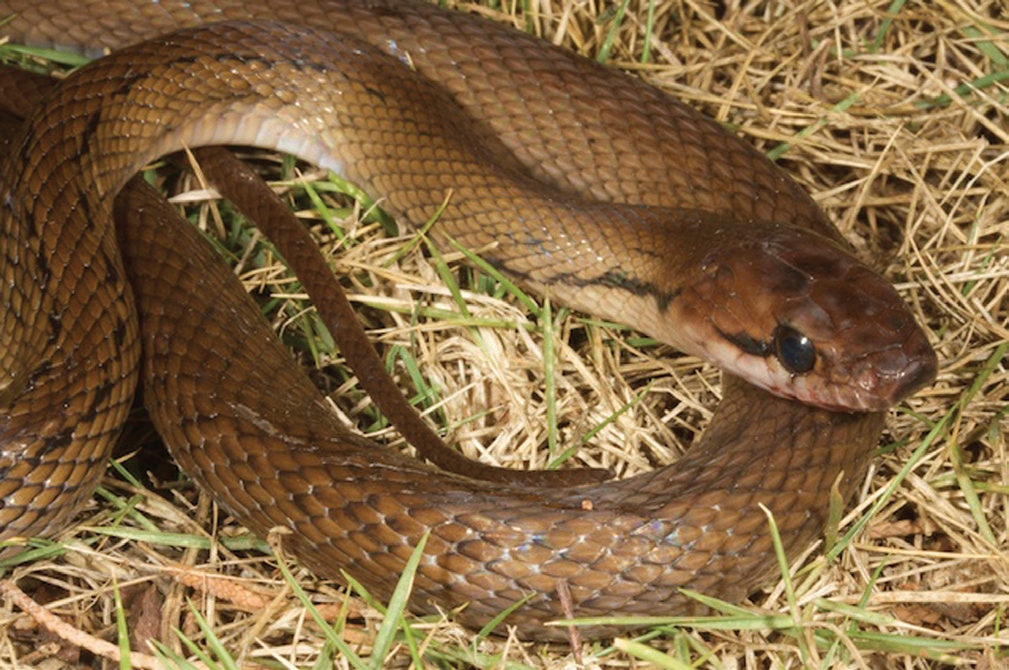
SUNDA RATSNAKE
Coelognathus subradiatus
DESCRIPTION
Sunda Ratsnake (Coelognathus subradiatus) is a non-venomous snake known for its striking coloration and slender body. It typically exhibits a pattern of yellow and black or brown, which provides effective camouflage in its natural habitat. This species is primarily arboreal, often found in trees, and is known for its agility and ability to climb, making it an adept hunter in its environment.
FUN FACTS
- Sunda Ratsnakes are known for their impressive climbing abilities, often seen navigating through the branches of trees with ease
- They play a crucial role in controlling rodent populations in their ecosystems, making them important for maintaining ecological balance.|These snakes are also popular in the pet trade due to their striking appearance and relatively docile nature, although potential owners should be aware of their specific care requirements
QUICK INFO
Lifespan10-15 years in the wild, up to 20 years in captivi
Average Weight1-2 kg
Average Length1.5-2.0 m
Diet TypeCarnivore
Social Structuresolitary, typically found alone except during mating season
Activity PatternDiurnal
Breeding SeasonSpring (March-May)
- Habitat
- This species inhabits tropical forests, often favoring areas near water sources. They are commonly found in both lowland and montane forests.
- Biomes
- Tropical Rainforest, Montane Forest
- Native Range
- Sunda Ratsnake is native to Southeast Asia, particularly found in countries like Indonesia, Malaysia, and Thailand.
- Continent
- Asia
- Countries
- Indonesia, Malaysia, Thailand
- Diet
- Sunda Ratsnakes primarily feed on small mammals, birds, and occasionally reptiles. They are constrictors, subduing their prey before consumption.
- Diet Type
- Carnivore
- Favorite Food
- small mammals, birds
- Social Structure
- solitary, typically found alone except during mating season
- Activity Pattern
- Diurnal
- Group Size
- 1
- Territorial
- 0
 VU
VU
1-2 kg
Weight
1.5-2.0 m
Length
- Coloration
- Typically yellow or light brown with dark brown or black markings.
- Sexual Dimorphism
- Males are generally smaller and have longer tails compared to females.
- Lifespan
- 10-15 years in the wild, up to 20 years in captivi
- Offspring per Birth
- 5-15
- Sexual Maturity
- 2-3 years
- Breeding Season
- Spring (March-May)
LC
Least Concern
IUCN Red List Status
- Population Status
- Population status is currently stable, but habitat loss poses a potential threat.
- Population Trend
- Stable
- Endangered
- 0
- Threats
- Main threats include habitat destruction due to deforestation and human encroachment. Additionally, they may be targeted for the pet trade.
- Predators
- Birds of prey, larger snakes, and mammals such as mongooses.
- Defense Mechanisms
- When threatened, Sunda Ratsnakes may hiss loudly and display a defensive posture, or they may attempt to flee.
- Found in Zoos
- Uncommon