



SURICATA
DESCRIPTION
Suricata, commonly known as the meerkat, is a small mongoose species native to southern Africa. They have a slender body, a pointed snout, and large eyes, with a coat that is typically a sandy or grayish color, adorned with darker stripes on their backs. Meerkats are highly social animals, living in groups called mobs, and are known for their upright posture when standing guard, scanning for predators.
FUN FACTS
- Meerkats have a unique social structure where they take turns babysitting the young while others forage for food
- This cooperative breeding behavior helps ensure the survival of the young and strengthens social bonds within the group.| Meerkats are known for their distinctive behavior of standing upright on their hind legs to survey their surroundings
- This posture allows them to spot potential threats from a distance, making them effective at avoiding predators
QUICK INFO
Lifespan6-10 years in the wild, up to 14 in captivity
Average Weight0.6-1 kg
Average Length25-35 cm
Diet TypeInsectivore
Social Structuregroup — meerkats live in family groups called mobs, which can consist of up to 50 individuals.
Activity PatternDiurnal
Breeding SeasonYear-round, with peaks depending on environmental conditions
- Habitat
- Meerkats inhabit arid and semi-arid regions, including savannas and grasslands. They prefer areas with sparse vegetation that allows for easy burrowing and visibility of potential threats.
- Biomes
- Savanna, Grassland
- Native Range
- Meerkats are native to southern Africa, particularly in countries like Botswana, Namibia, and South Africa.
- Continent
- Africa
- Countries
- Botswana, Namibia, South Africa
- Diet
- Meerkats primarily eat insects, but they also consume small vertebrates, fruits, and plants. Their foraging behavior is often cooperative, with group members helping to dig for food.
- Diet Type
- Insectivore
- Favorite Food
- insects, small vertebrates
- Social Structure
- group — meerkats live in family groups called mobs, which can consist of up to 50 individuals.
- Activity Pattern
- Diurnal
- Group Size
- 5-50
- Territorial
- 1
 LC
LC
 CR
CR
 LC
LC
 LC
LC
 LC
LC
0.6-1 kg
Weight
25-35 cm
Length
- Coloration
- sandy or grayish with darker stripes on the back
- Sexual Dimorphism
- males are generally larger than females
- Lifespan
- 6-10 years in the wild, up to 14 in captivity
- Gestation Period
- 11 weeks
- Offspring per Birth
- 2-5
- Sexual Maturity
- 1-2 years
- Breeding Season
- Year-round, with peaks depending on environmental conditions
LC
Least Concern
IUCN Red List Status
- Population Status
- The meerkat population is currently stable, but they face habitat loss in some areas.
- Wild Population Estimate
- 100,000+
- Population Trend
- Stable
- Endangered
- 0
- Threats
- Main threats include habitat destruction and predation by larger carnivores. They are also affected by climate change, which can alter their habitat.
- Predators
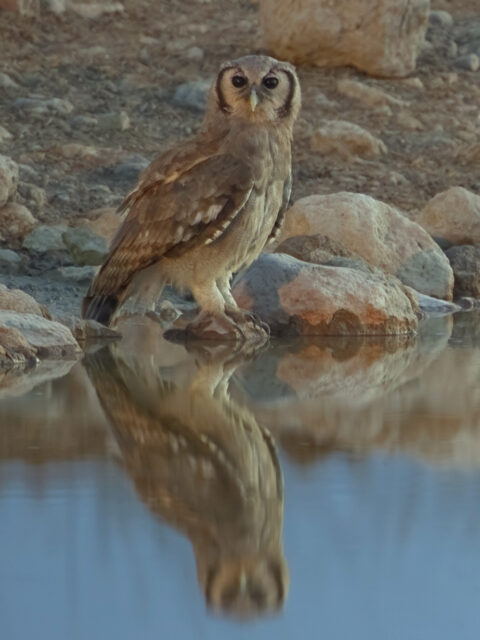
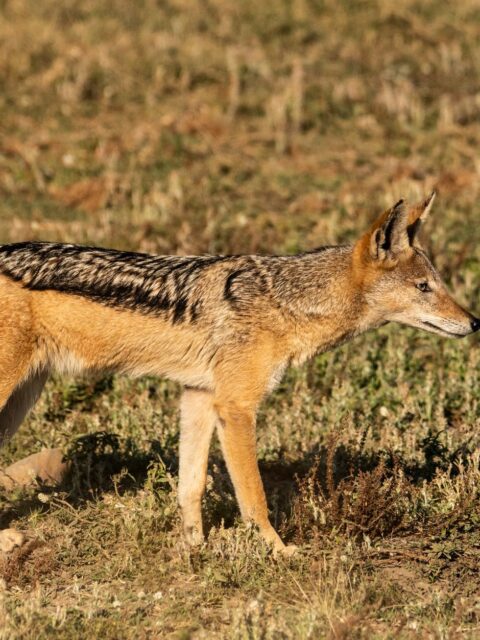
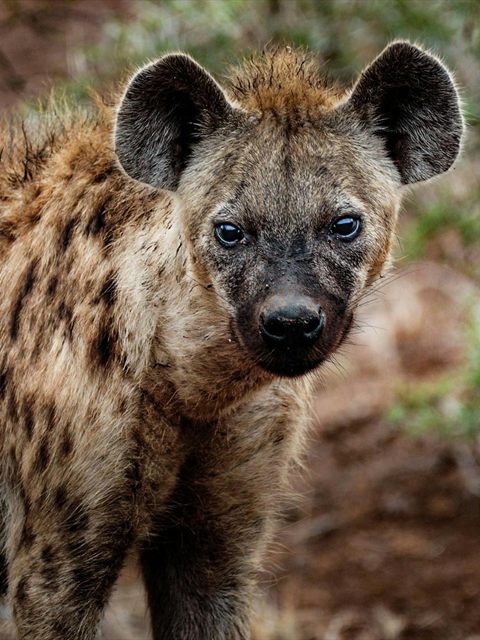
- eagles, hawks, jackals, snakes, and larger mammals such as lions and hyenas.
- Defense Mechanisms
- Meerkats use a variety of vocalizations to warn each other of danger and will often mob larger predators to drive them away.
- Found in Zoos
- Common