


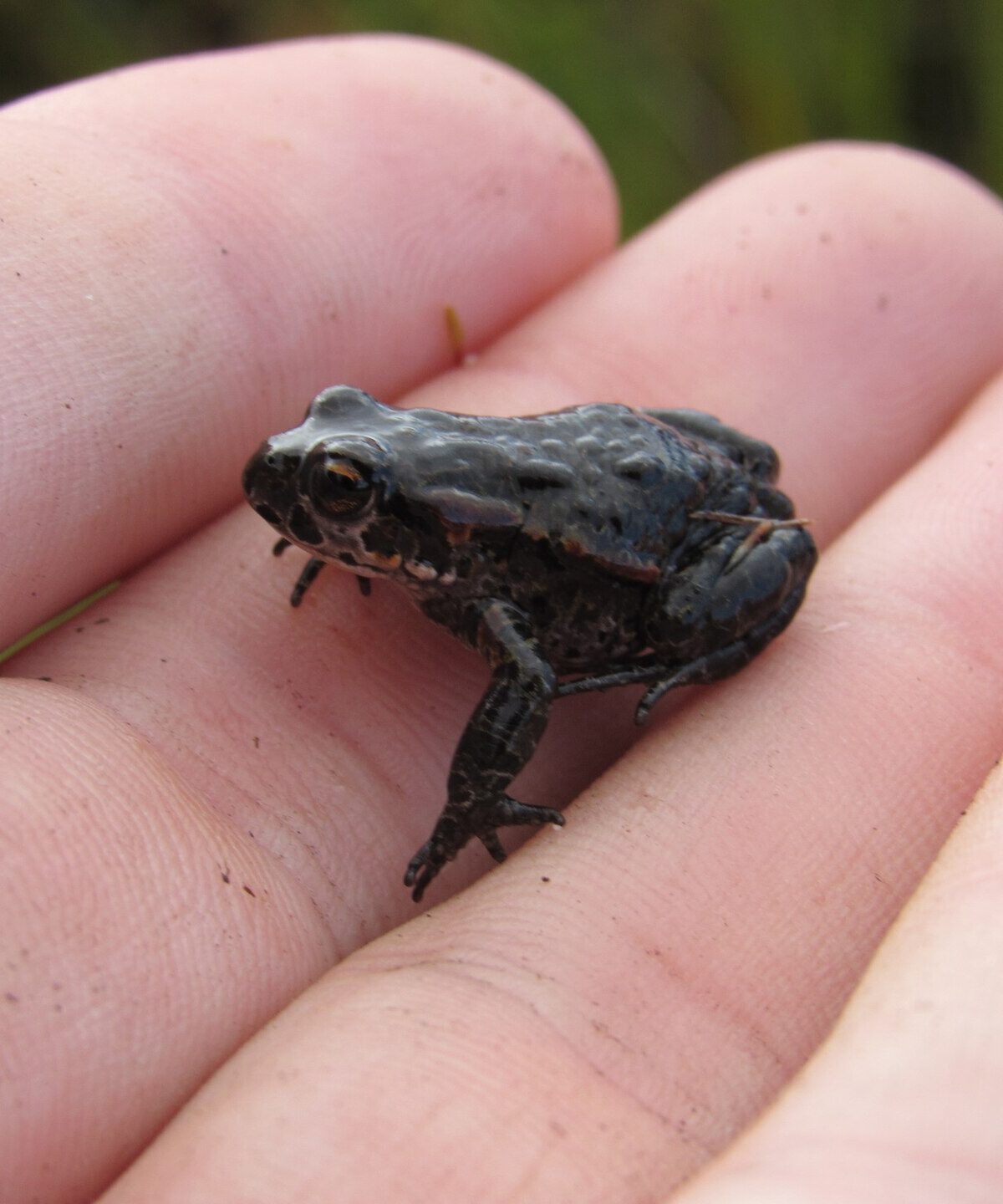
TABLE MOUNTAIN TREE FROG
Capensibufo rosei
DESCRIPTION
Table Mountain Tree Frog (Capensibufo rosei), also known as Rose's Tree Frog, is a small amphibian native to the mountainous regions of South Africa. This species is characterized by its distinctive coloration, which typically includes a combination of green and brown hues, allowing it to blend seamlessly into its natural habitat. Behaviorally, it is known for its unique vocalizations during the breeding season, where males call to attract females, and it primarily inhabits rocky outcrops and moist areas near streams.
FUN FACTS
- The Table Mountain Tree Frog is known for its unique ability to change color slightly based on its environment, which aids in camouflage
- Additionally, during the breeding season, males can be heard calling from various locations, creating a chorus that can be quite loud and distinctive, attracting females from a distance
QUICK INFO
Lifespan5-10 years in the wild.
Average Weight10-20 g
Average Length4-6 cm
Diet TypeInsectivore
Social Structuresolitary, with males often establishing territories during the breeding season.
Activity PatternNocturnal
Breeding SeasonSpring to early summer (September to December)
- Habitat
- This species thrives in rocky, moist environments, often found near streams and in mountainous regions. It prefers areas with ample vegetation for cover and breeding.
- Biomes
- Montane, Temperate Forest
- Native Range
- Endemic to the Table Mountain range in South Africa.
- Continent
- Africa
- Countries
- South Africa
- Diet
- The Table Mountain Tree Frog primarily feeds on insects and other small invertebrates. Its diet is crucial for its growth and reproductive success.
- Diet Type
- Insectivore
- Favorite Food
- insects
- Social Structure
- solitary, with males often establishing territories during the breeding season.
- Activity Pattern
- Nocturnal
- Group Size
- 1-5
- Territorial
- 1
 VU
VU
 LC
LC
10-20 g
Weight
4-6 cm
Length
- Coloration
- Typically green or brown with darker mottling, providing camouflage against the rocky environment.
- Sexual Dimorphism
- Males are generally smaller than females and have more pronounced vocal sacs.
- Lifespan
- 5-10 years in the wild.
- Offspring per Birth
- 10-30 eggs
- Sexual Maturity
- 1-2 years
- Breeding Season
- Spring to early summer (September to December)
LC
Least Concern
IUCN Red List Status
- Population Status
- The population is currently stable, but habitat loss poses a potential threat.
- Wild Population Estimate
- Unknown
- Population Trend
- Stable
- Endangered
- 0
- Threats
- Main threats include habitat destruction due to urbanization and agriculture, as well as climate change affecting their moist habitats.
- Predators
- Birds, snakes, and larger amphibians are known predators of the Table Mountain Tree Frog.
- Defense Mechanisms
- They can blend into their environment to avoid detection by predators.
- Found in Zoos
- Uncommon