



TEXAS COOTER
Pseudemys texana
DESCRIPTION
The Texas Cooter (Pseudemys texana) is a medium-sized freshwater turtle characterized by its high-domed shell, which can range in color from olive to dark brown with yellow or orange markings. They have a distinctive pattern of stripes on their head and neck, which can vary among individuals. This species is known for its aquatic lifestyle, often basking on logs or rocks and is commonly found in slow-moving waters such as ponds, lakes, and rivers.
FUN FACTS
- Texas Cooters are excellent swimmers and can hold their breath for long periods while diving underwater to forage for food
- They are also known for their basking behavior, often seen sunning themselves on logs or rocks, which helps regulate their body temperature and aids in digestion.|These turtles play a crucial role in their ecosystem by helping to control aquatic plant growth and providing a food source for various predators
- Their presence indicates a healthy aquatic environment, making them important indicators of ecosystem health
QUICK INFO
Lifespan20-30 years in the wild, up to 40 in captivity
Average Weight2-5 kg
Average Length25-30 cm
Diet TypeHerbivore
Social Structuregroup — they often bask together and can be seen in groups during the day.
Activity PatternDiurnal
Breeding SeasonSpring to early summer (April-July)
- Habitat
- Texas Cooters inhabit freshwater environments, particularly in slow-moving rivers, ponds, and lakes with abundant vegetation. They prefer areas with plenty of basking sites and submerged plants for foraging.
- Biomes
- Freshwater, Wetlands
- Native Range
- The Texas Cooter is native to the southeastern United States, primarily found in Texas and parts of Louisiana.
- Continent
- North America
- Countries
- United States, Mexico
- Diet
- Texas Cooters are primarily herbivorous, feeding on a variety of aquatic vegetation, including algae, water lilies, and other submerged plants. They may also consume some invertebrates occasionally.
- Diet Type
- Herbivore
- Favorite Food
- aquatic plants, algae
- Social Structure
- group — they often bask together and can be seen in groups during the day.
- Activity Pattern
- Diurnal
- Group Size
- 5-30
- Territorial
- 0
 LC
LC
 VU
VU
 LC
LC
2-5 kg
Weight
25-30 cm
Length
- Coloration
- The shell is typically olive to dark brown with yellow or orange markings, and the skin has a pattern of stripes.
- Sexual Dimorphism
- Males are generally smaller than females and have longer claws.
- Lifespan
- 20-30 years in the wild, up to 40 in captivity
- Offspring per Birth
- 5-15
- Sexual Maturity
- 4-6 years
- Breeding Season
- Spring to early summer (April-July)
LC
Least Concern
IUCN Red List Status
- Population Status
- The population of Texas Cooters is currently stable, but habitat loss poses a potential threat.
- Wild Population Estimate
- Unknown
- Population Trend
- Stable
- Endangered
- 0
- Threats
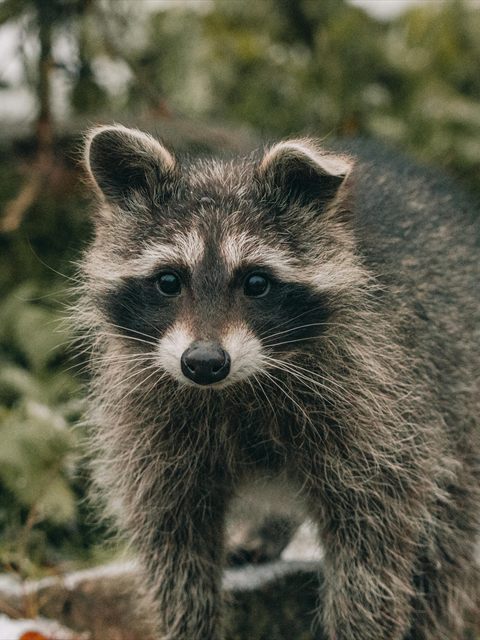
- Main threats include habitat destruction due to urban development and pollution of water bodies. Additionally, they face predation from raccoons and birds.
- Predators
- Raccoons, birds of prey, and large fish.
- Defense Mechanisms
- Texas Cooters can retract their heads and limbs into their shells for protection against predators.
- Compatible Animals
- Other freshwater turtles, fish, and amphibians
- Found in Zoos
- Common