


THREE TOED BOX TURTLE
Terrapene carolina triunguis
DESCRIPTION
The Three Toed Box Turtle (Terrapene carolina triunguis) is a subspecies of box turtle known for its distinctive three toes on its hind feet. It has a domed shell and can retract its head and limbs for protection.
FUN FACTS
- Box turtles can live for over 100 years | They can completely close their shells to protect themselves | They have a unique ability to absorb water through their skin
QUICK INFO
Lifespan40-50 years in the wild, up to 100 in captivity
Average Weight1-2 kg
Average Length15-20 cm
Diet TypeOmnivore
Social Structuresolitary
Activity PatternDiurnal
Breeding SeasonSpring (April-June)
- Habitat
- Three Toed Box Turtles are typically found in moist environments such as forests, grasslands, and wetlands. They prefer areas with ample cover and access to water.
- Biomes
- Temperate Forest, Grassland, Wetland
- Native Range
- The native range includes the central and southeastern United States.
- Continent
- North America
- Countries
- United States
- Diet
- This turtle is primarily omnivorous, feeding on a variety of plant matter, insects, and small invertebrates. It enjoys fruits, vegetables, and occasionally small animals.
- Diet Type
- Omnivore
- Favorite Food
- Fruits and insects
- Social Structure
- solitary
- Activity Pattern
- Diurnal
- Group Size
- 1
- Territorial
- 0
 LC
LC

 VU
VU
1-2 kg
Weight
15-20 cm
Length
- Coloration
- The shell is typically brown or olive with yellow or orange markings.
- Sexual Dimorphism
- Males tend to have brighter coloration and a more concave plastron.
- Lifespan
- 40-50 years in the wild, up to 100 in captivity
- Offspring per Birth
- 3-7
- Sexual Maturity
- 5-7 years
- Breeding Season
- Spring (April-June)
LC
Least Concern
IUCN Red List Status
- Population Status
- The population is currently stable but faces threats from habitat loss.
- Wild Population Estimate
- Unknown
- Population Trend
- Stable
- Endangered
- 0
- Threats
- Main threats include habitat destruction and road mortality. Urban development and agriculture have significantly reduced their natural habitats.
- Predators
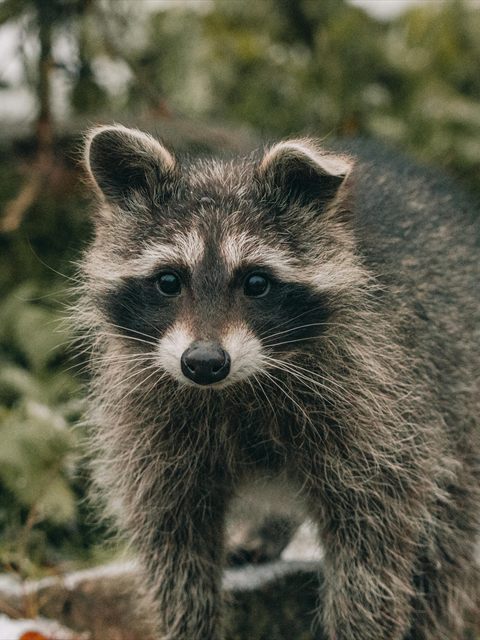
- Raccoons, foxes, and birds of prey
- Defense Mechanisms
- They can retract their limbs and head into their shell for protection.
- Found in Zoos
- Common