


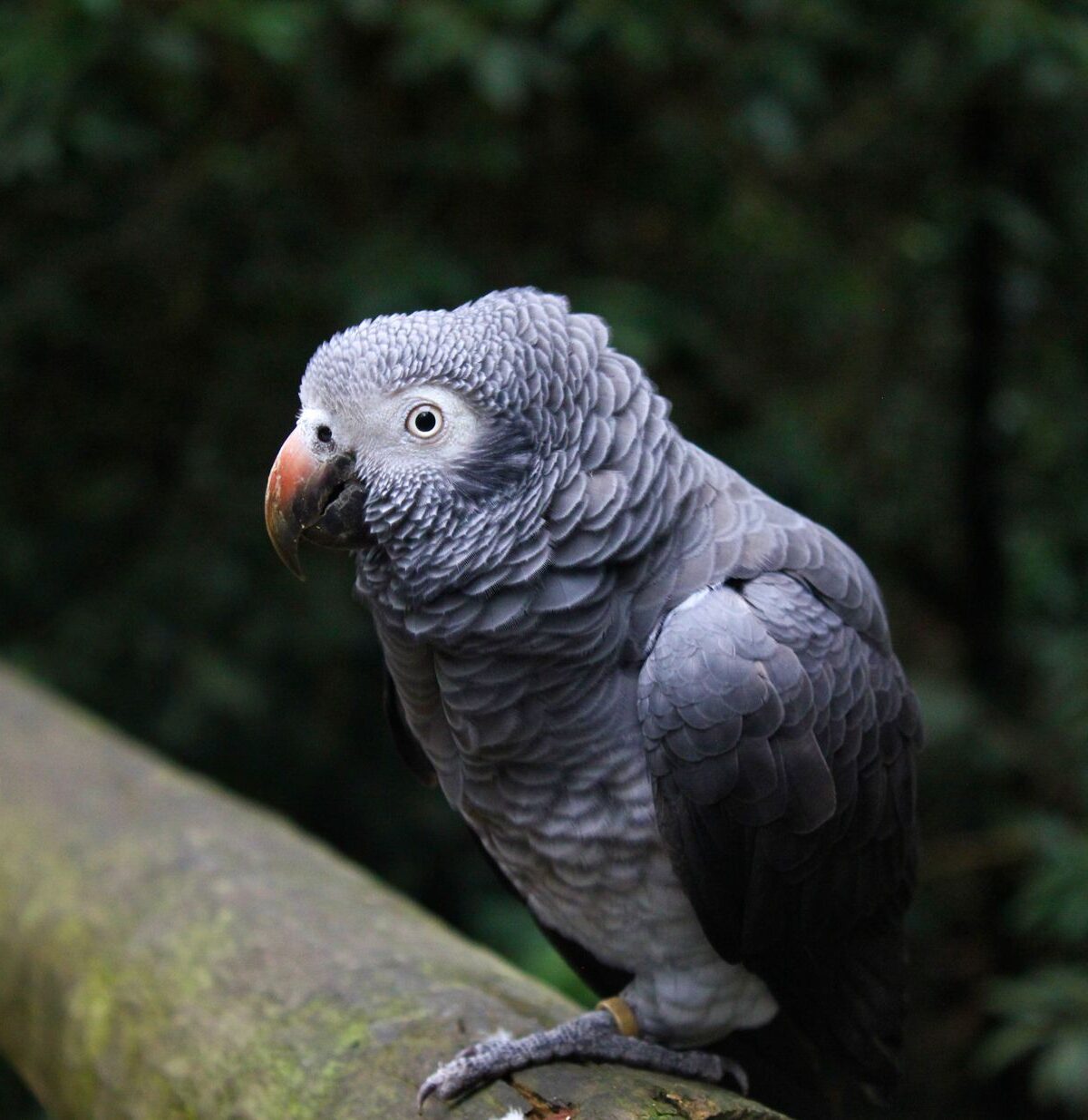
TIMNEH PARROT
Psittacus timneh
DESCRIPTION
Timneh Parrot (Psittacus timneh) is commonly known as the Timneh Grey Parrot and is a medium-sized parrot with a distinctive dark grey plumage and a maroon tail. This species exhibits a strong intelligence and is known for its ability to mimic human speech and sounds, making it a popular pet. In the wild, they are social birds that often form flocks, displaying complex social behaviors and communication skills.
FUN FACTS
- Timneh Parrots are known for their exceptional intelligence and ability to learn a wide range of words and phrases, often surprising their owners with their vocabulary
- They have been observed using tools in the wild, showcasing their problem-solving skills and adaptability to their environment.|In the wild, Timneh Parrots often engage in social grooming, which helps strengthen bonds within their flocks
- This behavior is not only important for social structure but also plays a role in maintaining their plumage and overall health
QUICK INFO
Lifespan20-30 years in captivity
Average Weight200-300 g
Average Length25-30 cm
Diet TypeHerbivore
Social Structuregroup — they are often seen in flocks, which helps them in foraging and protection from predators.
Activity PatternDiurnal
Breeding SeasonSpring (March-May)
- Habitat
- Timneh Parrots inhabit tropical rainforests and woodlands, often near rivers and other water sources. They prefer areas with abundant food resources and nesting sites.
- Biomes
- Tropical Rainforest, Woodland
- Native Range
- The native range of the Timneh Parrot includes the western regions of Africa, particularly in countries like Guinea, Sierra Leone, and the Ivory Coast.
- Continent
- Africa
- Countries
- Guinea, Sierra Leone, Ivory Coast
- Diet
- Timneh Parrots primarily feed on seeds, nuts, fruits, and vegetables. They are known to forage in trees and on the ground for their food.
- Diet Type
- Herbivore
- Favorite Food
- seeds, nuts, fruits
- Social Structure
- group — they are often seen in flocks, which helps them in foraging and protection from predators.
- Activity Pattern
- Diurnal
- Group Size
- 5-20
- Territorial
- 0
 LC
LC
 VU
VU
200-300 g
Weight
25-30 cm
Length
- Coloration
- dark grey body with a maroon tail and a lighter grey head
- Sexual Dimorphism
- males and females are similar in appearance, making it difficult to distinguish between sexes.
- Lifespan
- 20-30 years in captivity
- Offspring per Birth
- 2-4
- Sexual Maturity
- 3-4 years
- Breeding Season
- Spring (March-May)
EN
Endangered
IUCN Red List Status
- Population Status
- The population of Timneh Parrots is currently declining due to habitat loss and trapping for the pet trade.
- Wild Population Estimate
- 10,000-20,000
- Population Trend
- Decreasing
- Endangered
- 1
- Threats
- Main threats to the Timneh Parrot include habitat destruction due to logging and agriculture, as well as illegal trapping for the pet trade. These factors have significantly impacted their populations in the wild.
- Conservation Program
- Various conservation programs are in place to protect their habitats and regulate the pet trade.
- Predators
- Snakes, birds of prey, and larger mammals may prey on Timneh Parrots, especially when they are nesting or foraging on the ground.
- Defense Mechanisms
- Timneh Parrots use vocalizations to alert others of danger and may also engage in evasive flight to escape predators.
- Compatible Animals
- other parrots, small birds
- Found in Zoos
- Common