


TIMOR SPARROW
Padda fuscata
DESCRIPTION
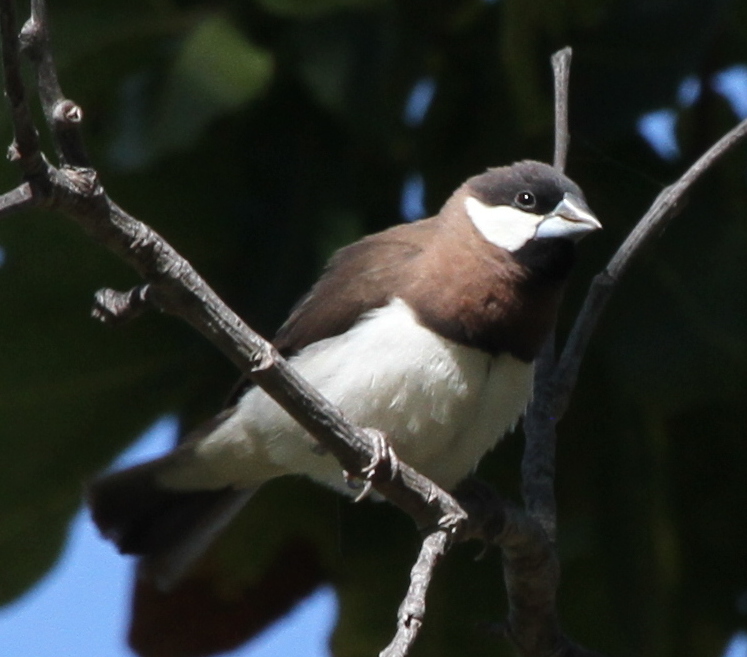
Timor Sparrow (Padda fuscata), also known as the Timor Finch, is a small, colorful bird native to the islands of Timor and surrounding areas. It features a distinctive plumage with a combination of brown, black, and white, making it visually striking among its peers. This species is known for its social behavior, often seen in small flocks, and its melodious calls that contribute to the vibrant soundscape of its habitat.
FUN FACTS
- Timor Sparrows are known for their intricate social behaviors, often engaging in communal feeding and grooming
- They have a unique vocalization that varies between flocks, which may serve as a form of social bonding
- | These birds are also popular in aviculture due to their vibrant colors and pleasant songs, making them a favorite among bird enthusiasts
- Their adaptability to different environments allows them to thrive in both wild and captive settings
QUICK INFO
Lifespan5-7 years in the wild
Average Weight15-20 g
Average Length12-14 cm
Diet TypeGranivore
Social Structuregroup — they are often found in small flocks, which helps them in foraging and avoiding predators.
Activity PatternDiurnal
Breeding SeasonSpring to early summer
- Habitat
- Timor Sparrows inhabit grasslands, open woodlands, and agricultural areas, where they can find ample food sources. They prefer areas with dense vegetation for nesting and protection from predators.
- Biomes
- Grassland, Savanna
- Native Range
- The native range of the Timor Sparrow includes the islands of Timor, Rote, and surrounding smaller islands in Indonesia.
- Continent
- Asia
- Countries
- Indonesia, East Timor
- Diet
- Timor Sparrows primarily feed on seeds, grains, and small fruits, foraging on the ground and in vegetation. They are known to be opportunistic feeders, adapting their diet based on seasonal availability.
- Diet Type
- Granivore
- Favorite Food
- seeds and grains
- Social Structure
- group — they are often found in small flocks, which helps them in foraging and avoiding predators.
- Activity Pattern
- Diurnal
- Group Size
- 5-15
- Territorial
- 0

 LC
LC
15-20 g
Weight
12-14 cm
Length
- Coloration
- The Timor Sparrow has a brownish body with a black crown and white cheeks, providing a striking contrast.
- Sexual Dimorphism
- Males and females are similar in appearance, though males may have slightly brighter coloration.
- Lifespan
- 5-7 years in the wild
- Offspring per Birth
- 3-5
- Sexual Maturity
- 6 months
- Breeding Season
- Spring to early summer
LC
Least Concern
IUCN Red List Status
- Population Status
- The population of Timor Sparrows is currently stable, but habitat loss poses a potential threat.
- Wild Population Estimate
- Unknown
- Population Trend
- Stable
- Endangered
- 0
- Threats
- Main threats to the Timor Sparrow include habitat destruction due to agriculture and urbanization. Additionally, invasive species may compete for resources or predation.
- Predators
- Cats, snakes, and birds of prey are known to prey on Timor Sparrows.
- Defense Mechanisms
- They rely on their social structure and quick flight to evade predators.
- Compatible Animals
- other small finches, canaries
- Found in Zoos
- Uncommon