



TOPI
Damaliscus lunatus
DESCRIPTION
The Topi (Damaliscus lunatus) is a medium-sized antelope known for its distinctive coloration and unique body shape. It has a slender build with long legs, a short neck, and a characteristic elongated face. Topis are highly social animals, often found in large herds, and are known for their impressive speed and agility, which they use to evade predators in their open grassland habitats.
FUN FACTS
- Topis are known for their unique behavior of 'standing on their hind legs' to get a better view of their surroundings, which helps them spot predators from a distance
- Additionally, they have a distinctive mating display where males perform a series of jumps and runs to attract females, showcasing their strength and agility
QUICK INFO
Lifespan10-15 years in the wild, up to 20 years in captivi
Average Weight50-90 kg
Average Length1.2-1.8 m
Diet TypeHerbivore
Social StructureTopis are social animals that typically form groups, often consisting of females and their young, while males may be solitary or form small bachelor groups.
Activity PatternDiurnal
Breeding SeasonYear-round, with peaks during the rainy season
- Habitat
- Topis inhabit open savannas and grasslands, where they can easily spot predators. They prefer areas with a mix of short and tall grasses, which provide both food and cover.
- Biomes
- Savanna, Grassland
- Native Range
- Topis are native to East and Central Africa, primarily found in countries like Kenya, Tanzania, and Uganda.
- Continent
- Africa
- Countries
- Kenya, Tanzania, Uganda, South Sudan
- Diet
- Topis are herbivores that primarily graze on grasses and other vegetation. They are known to selectively feed on the most nutritious parts of the plants.
- Diet Type
- Herbivore
- Favorite Food
- grasses
- Social Structure
- Topis are social animals that typically form groups, often consisting of females and their young, while males may be solitary or form small bachelor groups.
- Activity Pattern
- Diurnal
- Group Size
- 10-30
- Territorial
- 1
 LC
LC
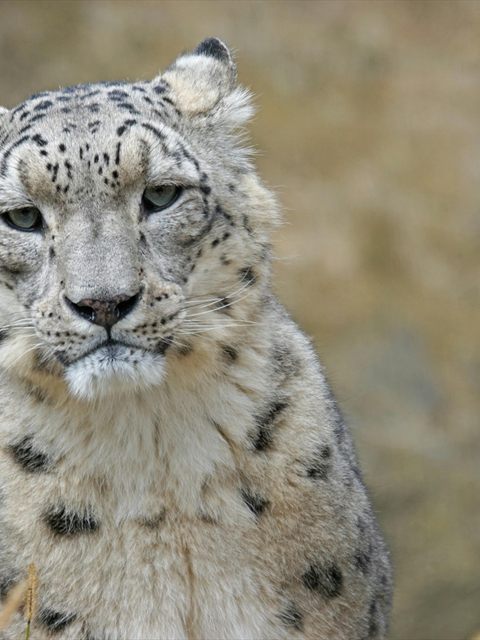 VU
VU
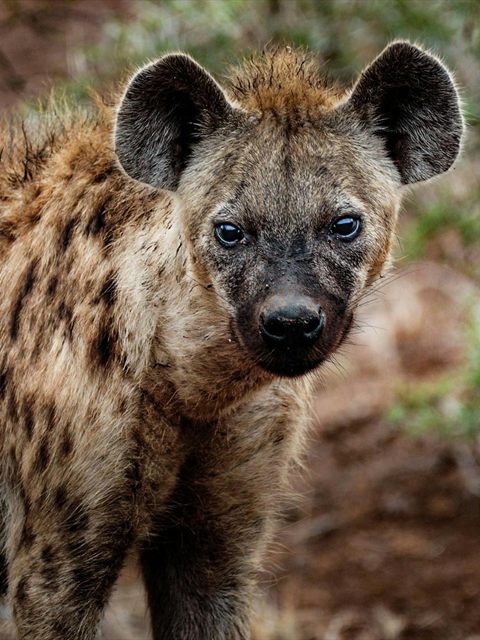 LC
LC
50-90 kg
Weight
1.2-1.8 m
Length
0.9-1.2 m at shoulder
Height (Shoulder)
- Coloration
- Topis have a reddish-brown coat with darker markings on their face and legs.
- Sexual Dimorphism
- Males are generally larger and have more pronounced horns than females.
- Lifespan
- 10-15 years in the wild, up to 20 years in captivi
- Gestation Period
- 210 days
- Offspring per Birth
- 1
- Sexual Maturity
- 1.5-2 years
- Breeding Season
- Year-round, with peaks during the rainy season
LC
Least Concern
IUCN Red List Status
- Population Status
- The population of Topis is currently stable, but they face threats from habitat loss and hunting.
- Wild Population Estimate
- 50,000-100,000
- Population Trend
- Stable
- Endangered
- 0
- Threats
- Main threats to Topis include habitat destruction due to agriculture and human encroachment, as well as hunting for bushmeat. These factors can lead to localized declines in their populations.
- Predators
- Lions, leopards, hyenas, and wild dogs are known predators of Topis.
- Defense Mechanisms
- Topis rely on their speed and agility to escape predators, and they often use alarm calls to warn other members of their group.
- Compatible Animals
- Zebras, wildebeests, gazelles
- Found in Zoos
- Uncommon