


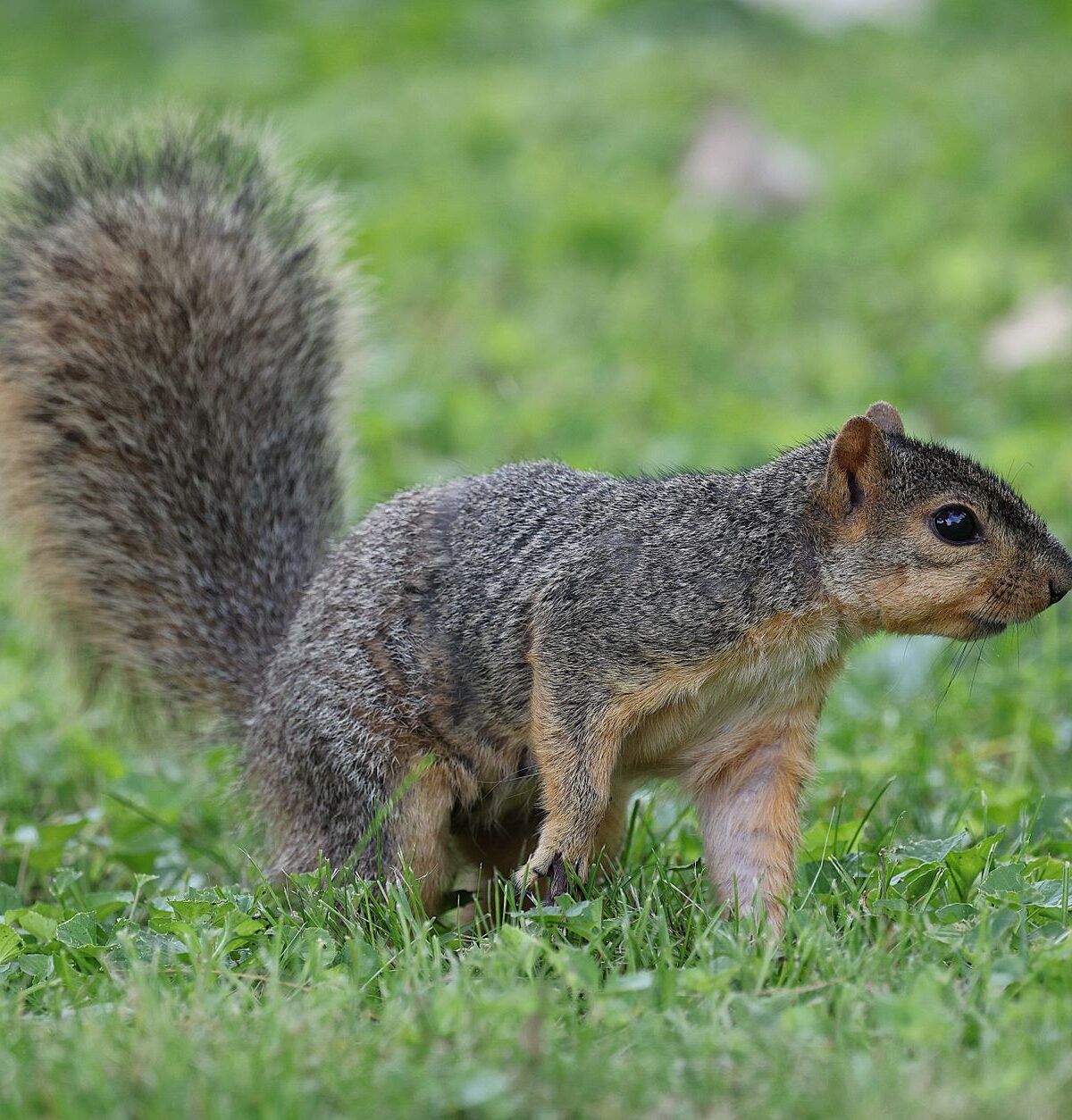
TREE SQUIRREL
DESCRIPTION
Tree Squirrel, also known as the Eastern Squirrel, is a small to medium-sized rodent characterized by its bushy tail and agile limbs. These squirrels are typically gray or brown with lighter underparts, and they are known for their playful behavior and acrobatic skills as they navigate through trees. They are highly social animals, often seen foraging in groups and communicating with a variety of vocalizations.
FUN FACTS
- Tree Squirrels have a remarkable memory that helps them locate their hidden food caches, which can be buried under snow or leaves
- They can also rotate their hind feet 180 degrees, allowing them to climb down trees headfirst, a unique adaptation among rodents.| In addition to their impressive climbing skills, Tree Squirrels are known for their playful behavior, often engaging in chasing games with each other
- They can leap distances of up to 10 times their body length, showcasing their agility and strength
QUICK INFO
Lifespan6-12 years in the wild, up to 18 years in captivit
Average Weight400-600 g
Average Length25-30 cm
Diet TypeOmnivore
Social StructureThey are generally social animals, often seen in small groups, but can also be solitary depending on the season.
Activity PatternDiurnal
Breeding SeasonWinter (December-February) and late summer (July-August)
- Habitat
- Tree Squirrels inhabit wooded areas, parks, and suburban environments where there are plenty of trees for nesting and foraging. They build nests in tree cavities or construct dreys made of leaves and twigs high in the branches.
- Biomes
- Temperate Forest, Urban
- Native Range
- Native to North America, particularly in the eastern and midwestern regions.
- Continent
- North America
- Countries
- United States, Canada, Mexico
- Diet
- Tree Squirrels primarily eat nuts, seeds, fruits, and occasionally insects. They are known to cache food for later consumption, which plays a crucial role in forest ecology by aiding in seed dispersal.
- Diet Type
- Omnivore
- Favorite Food
- Nuts, seeds, fruits
- Social Structure
- They are generally social animals, often seen in small groups, but can also be solitary depending on the season.
- Activity Pattern
- Diurnal
- Group Size
- 2-10
- Territorial
- 1
 LC
LC
 LC
LC
 LC
LC
400-600 g
Weight
25-30 cm
Length
- Coloration
- Gray or brown fur with a lighter underside
- Lifespan
- 6-12 years in the wild, up to 18 years in captivit
- Gestation Period
- 44-45 days
- Offspring per Birth
- 2-5
- Sexual Maturity
- 1 year
- Breeding Season
- Winter (December-February) and late summer (July-August)
LC
Least Concern
IUCN Red List Status
- Population Status
- The population of Tree Squirrels is generally stable, with some local increases due to urbanization providing suitable habitats.
- Wild Population Estimate
- Not specifically estimated, but considered abundant in many areas.
- Population Trend
- Stable
- Endangered
- 0
- Threats
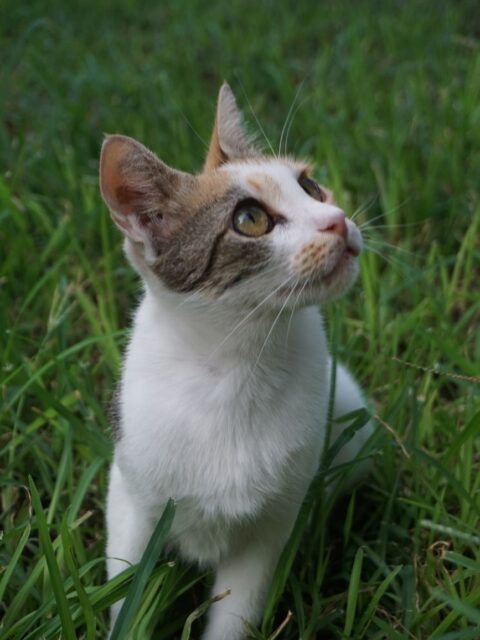
- Main threats include habitat loss due to urban development and predation by domestic cats and birds of prey. Additionally, road traffic poses a significant risk to their populations.
- Predators
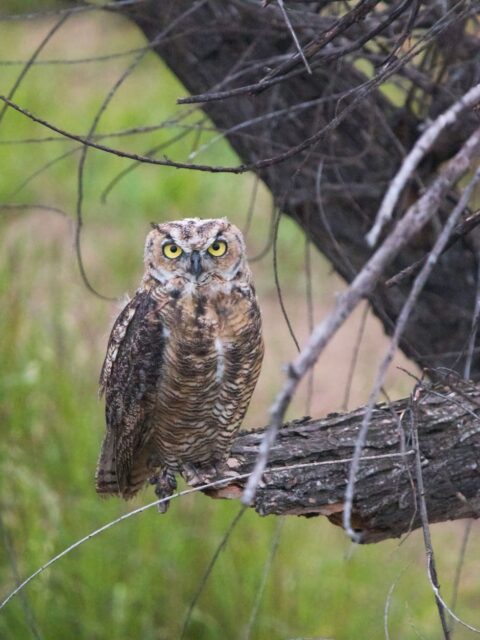
- Red-tailed Hawks, Great Horned Owls, domestic cats, foxes, and coyotes.
- Defense Mechanisms
- Tree Squirrels use their agility to escape predators, often darting up trees or leaping between branches. They also use vocalizations to warn others of danger.
- Found in Zoos
- Common