


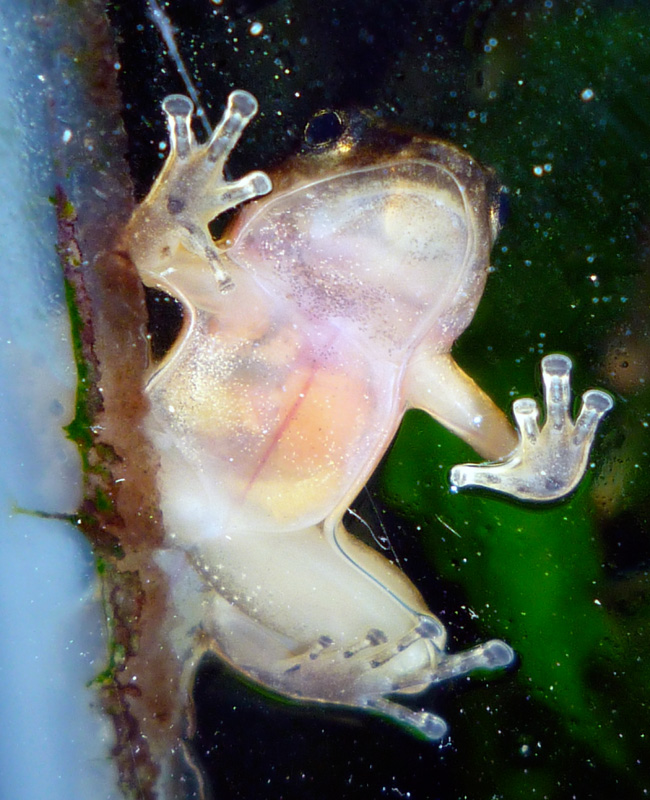
TRINIDADIAN STREAM FROG
Mannophryne trinitatis
DESCRIPTION
Trinidadian Stream Frog (Mannophryne trinitatis) is a small, brightly colored amphibian native to Trinidad. It typically exhibits a striking pattern of yellow and black or brown, which serves as camouflage among the leaf litter and rocks in its natural habitat. This species is primarily found in fast-flowing streams and is known for its unique vocalizations during the breeding season, which attract mates and establish territory.
FUN FACTS
- Trinidadian Stream Frogs are known for their unique mating calls, which can vary significantly between different populations on the island
- These calls not only attract females but also help establish territory among competing males
- | This species has adapted to its fast-flowing stream habitat by developing strong limbs that allow for agile movements and quick jumps, making it an adept escape artist from potential threats
QUICK INFO
Average Length3-5 cm
Diet TypeInsectivore
Social Structuresolitary, with males often establishing territories during the breeding season.
Activity PatternNocturnal
Breeding SeasonWet season (May-October)
- Habitat
- This species thrives in freshwater environments, particularly in clear, fast-flowing streams and rivers. It prefers areas with abundant vegetation and rocky substrates that provide shelter and breeding sites.
- Biomes
- Tropical Rainforest
- Native Range
- Endemic to Trinidad, found in various freshwater habitats across the island.
- Continent
- South America
- Countries
- Trinidad and Tobago
- Diet
- The Trinidadian Stream Frog primarily feeds on small invertebrates, including insects and other arthropods. Its diet is crucial for maintaining the ecological balance in its stream habitat.
- Diet Type
- Insectivore
- Favorite Food
- small insects
- Social Structure
- solitary, with males often establishing territories during the breeding season.
- Activity Pattern
- Nocturnal
- Group Size
- 1-5
- Territorial
- 1
 VU
VU
 LC
LC
3-5 cm
Length
- Coloration
- bright yellow and black or brown patterns
- Sexual Dimorphism
- males are typically smaller and more brightly colored than females
- Offspring per Birth
- up to 20 eggs
- Sexual Maturity
- 1-2 years
- Breeding Season
- Wet season (May-October)
LC
Least Concern
IUCN Red List Status
- Population Status
- The population is currently stable, but habitat destruction poses a potential threat.
- Population Trend
- Stable
- Endangered
- 0
- Threats
- Main threats include habitat loss due to deforestation and pollution of freshwater habitats. These factors can significantly impact their breeding and feeding grounds.
- Predators
- Birds, snakes, and larger amphibians are known predators of the Trinidadian Stream Frog.
- Defense Mechanisms
- They rely on their coloration for camouflage and may also exhibit quick movements to evade predators.
- Found in Zoos
- Uncommon