


TURKESTAN AGAMA
Agama turkestanica
DESCRIPTION
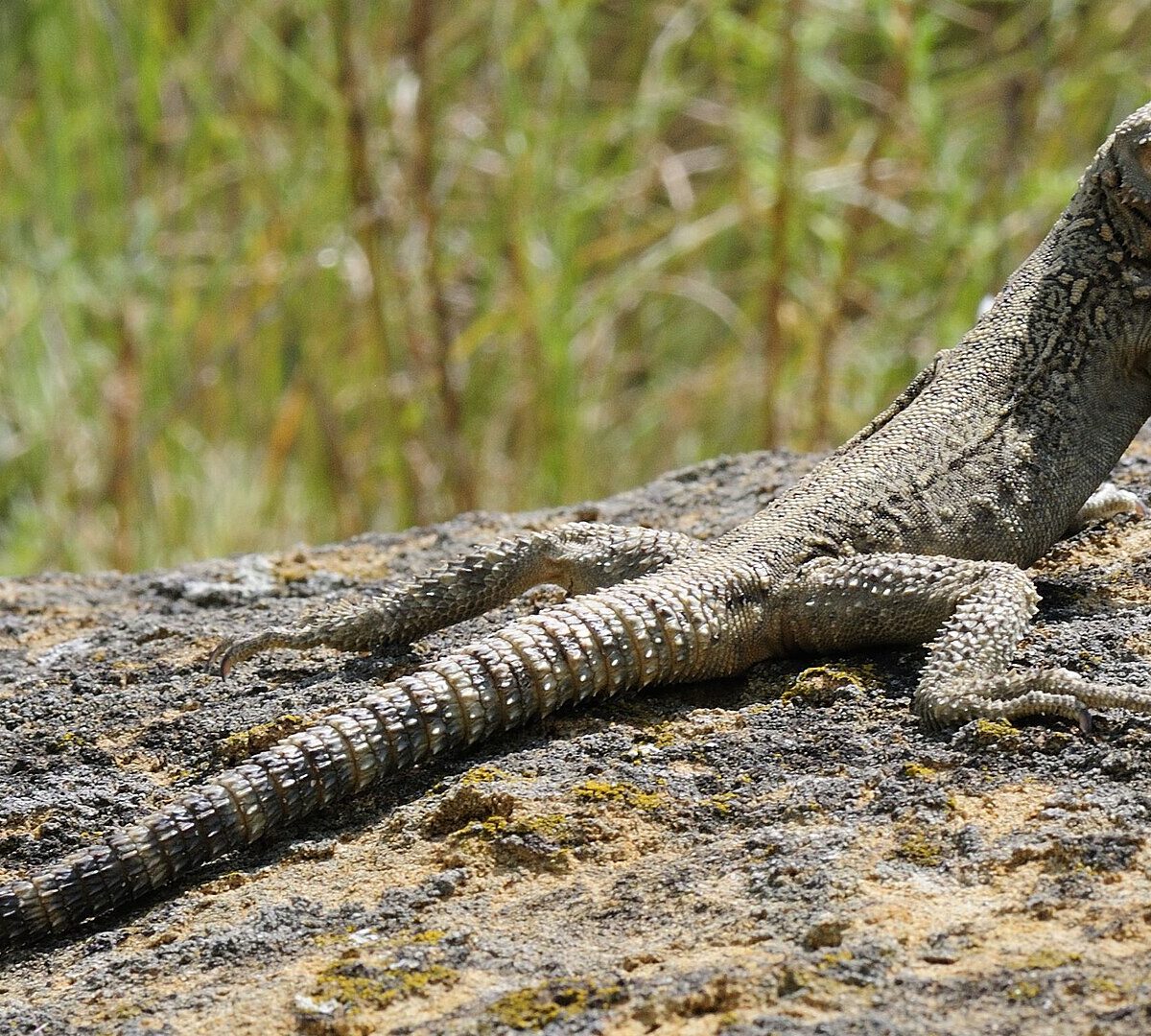
Turkestan Agama (Agama turkestanica) is a medium-sized lizard characterized by its robust body and distinctive coloration, which can vary from brown to gray with lighter underparts. This species is known for its ability to adapt to arid environments, often found basking on rocks or in open areas. Turkestan Agama is primarily terrestrial but can also climb, using its strong limbs to navigate rocky terrains and vegetation.
FUN FACTS
- Turkestan Agama is known for its impressive ability to change color slightly based on its environment, which helps it blend in and avoid predators
- Additionally, these lizards have a unique courtship display where males perform push-ups to attract females, showcasing their strength and vitality
QUICK INFO
Lifespan5-10 years in the wild
Average Length15-25 cm
Diet TypeInsectivore
Social Structuresolitary, individuals are often found alone except during mating season.
Activity PatternDiurnal
Breeding SeasonSpring (April-June)
- Habitat
- This species inhabits dry, rocky areas, often in semi-desert or steppe regions. It prefers habitats with ample sunlight and places to hide from predators.
- Biomes
- Desert, Grassland
- Native Range
- Turkestan Agama is native to Central Asia, particularly found in regions of Kazakhstan, Uzbekistan, and Turkmenistan.
- Continent
- Asia
- Countries
- Kazakhstan, Uzbekistan, Turkmenistan
- Diet
- Turkestan Agama primarily feeds on insects and other small invertebrates, showcasing its insectivorous diet. Occasionally, it may consume plant material, but insects make up the bulk of its nutrition.
- Diet Type
- Insectivore
- Favorite Food
- insects, small invertebrates
- Social Structure
- solitary, individuals are often found alone except during mating season.
- Activity Pattern
- Diurnal
- Group Size
- 1-2
- Territorial
- 1
 VU
VU
 LC
LC
15-25 cm
Length
- Coloration
- brown to gray with lighter underparts, often with patterns or spots.
- Sexual Dimorphism
- males are typically larger and more brightly colored than females.
- Lifespan
- 5-10 years in the wild
- Offspring per Birth
- 5-10 eggs
- Sexual Maturity
- 1-2 years
- Breeding Season
- Spring (April-June)
LC
Least Concern
IUCN Red List Status
- Population Status
- The population is currently stable, with no significant declines reported.
- Wild Population Estimate
- unknown
- Population Trend
- Stable
- Endangered
- 0
- Threats
- Main threats include habitat loss due to agricultural expansion and urban development. Additionally, collection for the pet trade poses a risk to local populations.
- Predators
- birds of prey, snakes, and larger lizards are known predators of Turkestan Agama.
- Defense Mechanisms
- When threatened, Turkestan Agama can quickly flee to nearby rocks or vegetation for cover.
- Found in Zoos
- Uncommon