


TURKMEN MARKHOR
Capra falconeri
DESCRIPTION
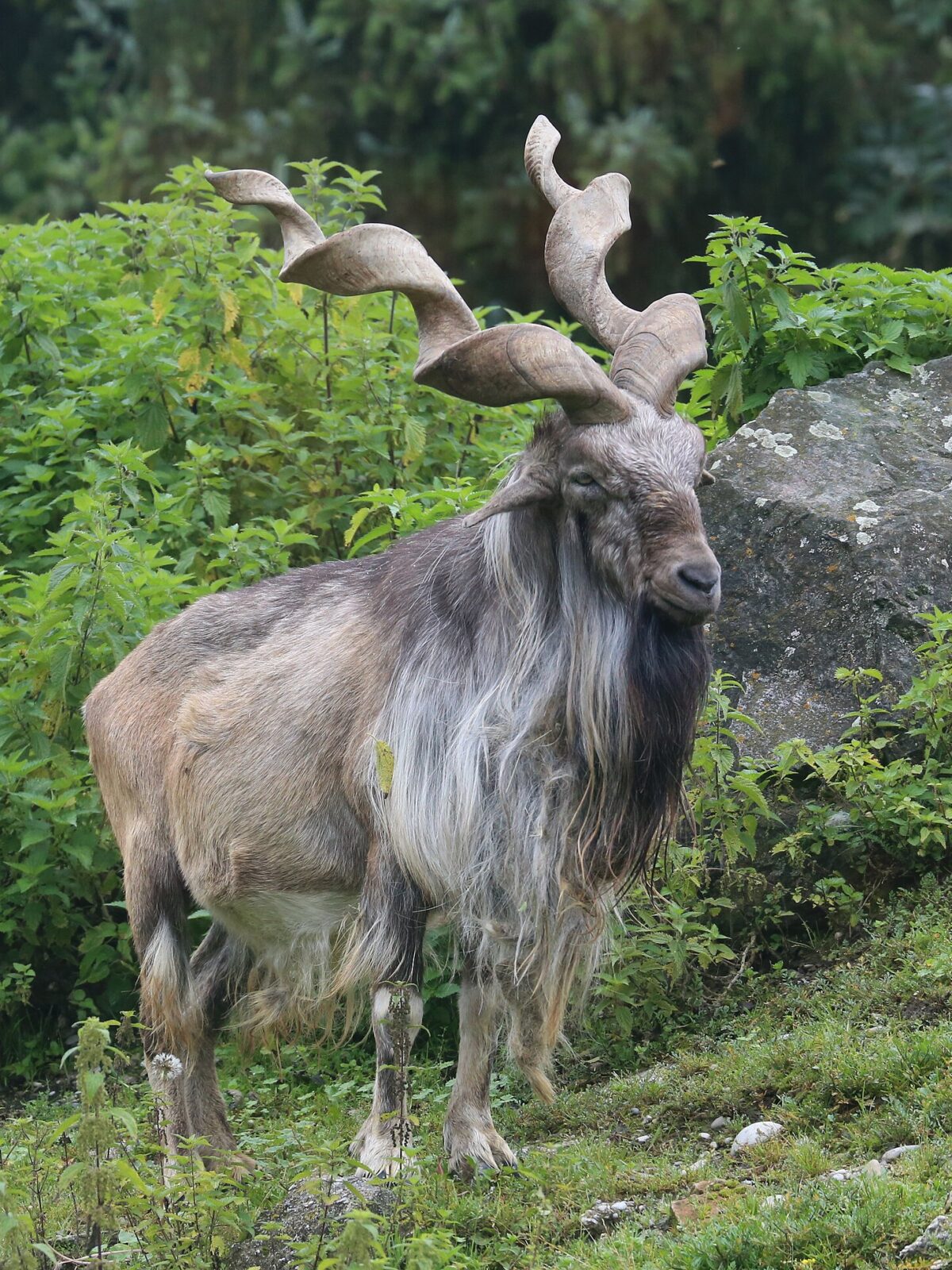
Turkmen Markhor (Capra falconeri) is a wild goat species known for its impressive twisted horns, which can grow up to 1.5 meters in length. This species exhibits a shaggy coat that varies in color from brown to gray, providing excellent camouflage in its rocky mountainous habitat. Turkmen Markhor is primarily found in the rugged terrains of Central Asia, where it displays remarkable agility and strength, often navigating steep cliffs and rocky outcrops with ease.
FUN FACTS
- Turkmen Markhor is known for its impressive horns, which can be a symbol of strength and virility in various cultures
- These horns are not only used for defense but also play a role in mating displays during the breeding season
- | The species has adapted remarkably to its harsh mountainous environment, showcasing incredible climbing abilities that allow it to traverse steep and rocky terrains with ease
- This agility is crucial for escaping predators and finding food in its rugged habitat
QUICK INFO
Lifespan10-15 years in the wild, up to 20 years in captivi
Average Weight50-100 kg
Average Length1.2-1.5 m
Diet TypeHerbivore
Social Structuresolitary or small groups, typically consisting of females and their young.
Activity PatternDiurnal
Breeding SeasonAutumn (September-November)
- Habitat
- Turkmen Markhor inhabits mountainous regions characterized by steep cliffs and rocky terrains. These areas provide both food sources and protection from predators.
- Biomes
- Mountain, Temperate Forest
- Native Range
- Turkmen Markhor is native to the mountainous regions of Central Asia, particularly in Turkmenistan, Afghanistan, and parts of Pakistan.
- Continent
- Asia
- Countries
- Turkmenistan, Afghanistan, Pakistan
- Diet
- Turkmen Markhor primarily feeds on grasses, shrubs, and other vegetation found in its mountainous habitat. They are known to graze on a variety of plant species, adapting their diet based on seasonal availability.
- Diet Type
- Herbivore
- Favorite Food
- grasses, shrubs
- Social Structure
- solitary or small groups, typically consisting of females and their young.
- Activity Pattern
- Diurnal
- Group Size
- 1-5
- Territorial
- 0
 VU
VU
 LC
LC
 VU
VU
50-100 kg
Weight
1.2-1.5 m
Length
0.9-1.2 m at shoulder
Height (Shoulder)
- Coloration
- brown to gray with a shaggy coat
- Sexual Dimorphism
- Males are larger and have longer, twisted horns compared to females.
- Lifespan
- 10-15 years in the wild, up to 20 years in captivi
- Gestation Period
- 150 days
- Offspring per Birth
- 1
- Sexual Maturity
- 2-3 years
- Breeding Season
- Autumn (September-November)
VU
Vulnerable
IUCN Red List Status
- Population Status
- The population of Turkmen Markhor is currently considered vulnerable due to habitat loss and hunting pressures.
- Wild Population Estimate
- 5,000-10,000
- Population Trend
- Decreasing
- Endangered
- 1
- Threats
- Main threats to Turkmen Markhor include habitat destruction due to agriculture and urban development, as well as poaching for their horns and meat. Conservation efforts are needed to protect their remaining habitats and populations.
- Conservation Program
- Various conservation programs are in place, including habitat protection and anti-poaching initiatives.
- Predators
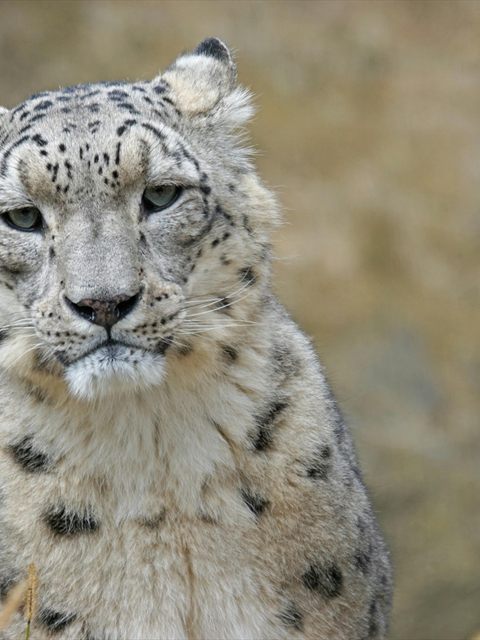
- Snow Leopards, Wolves, and large birds of prey.
- Defense Mechanisms
- Turkmen Markhor uses its agility and speed to escape predators, often retreating to steep cliffs where they can evade capture.
- Compatible Animals
- none
- Found in Zoos
- Uncommon