


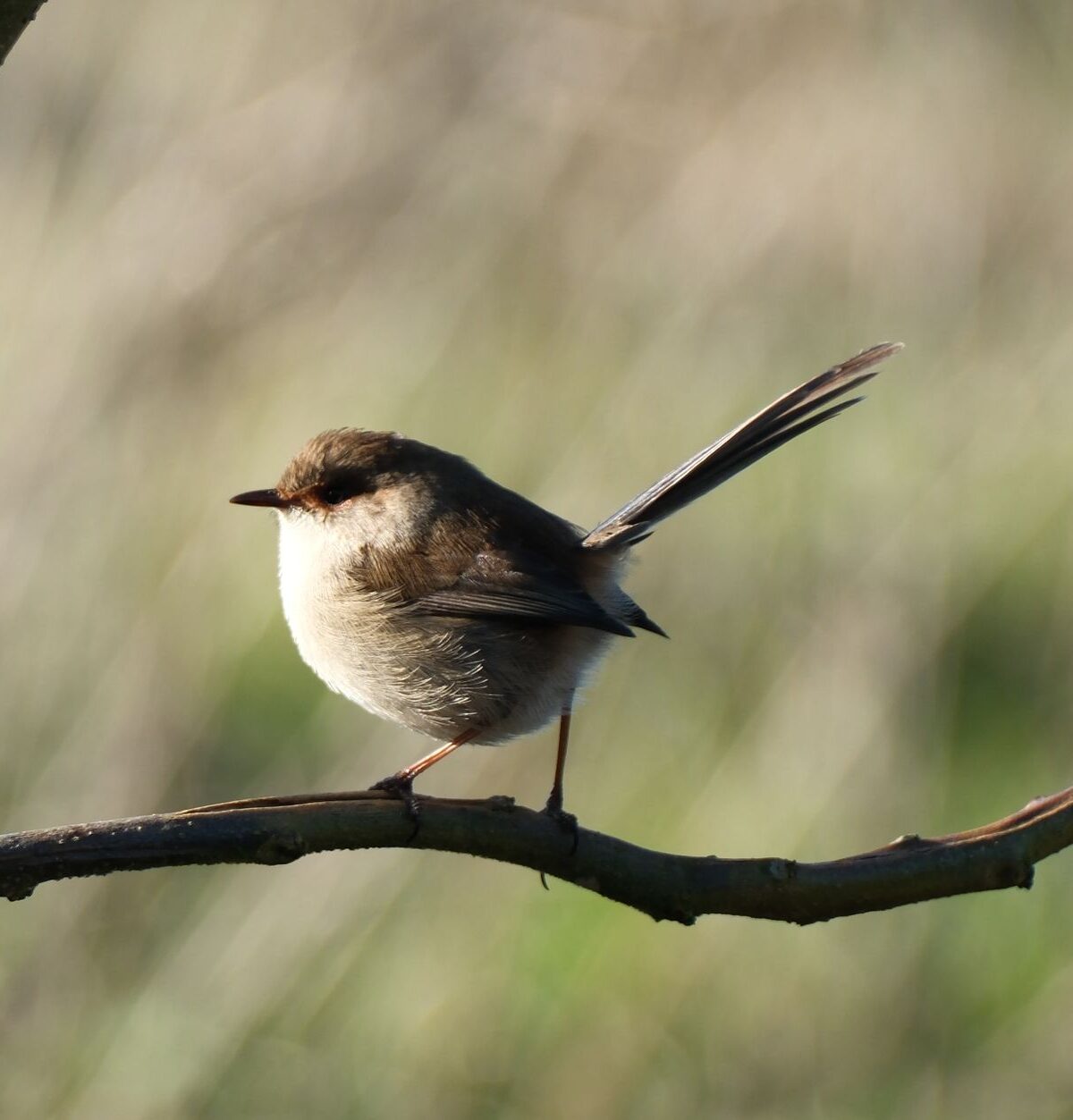
TURQUOISE FAIRYWREN
Malurus cyaneus
DESCRIPTION
Turquoise Fairywren (Malurus cyaneus) is a small, brightly colored bird known for its striking turquoise plumage in males, which is complemented by a black crown and a white belly. Females, on the other hand, exhibit a more subdued brown and grey coloration, which provides them with better camouflage while nesting. This species is often found in pairs or small groups, engaging in acrobatic displays and vocalizations, which are essential for communication and territory establishment.
FUN FACTS
- Turquoise Fairywrens are known for their elaborate courtship displays, where males perform intricate dances and vocalizations to attract females
- These displays are not only a means of attracting mates but also serve to establish dominance among competing males
- | The species has a unique breeding strategy where females may mate with multiple males, leading to a complex social structure within their groups
- This behavior helps to ensure genetic diversity and can increase the survival chances of their offspring
QUICK INFO
Lifespan3-5 years in the wild
Average Weight10-15 g
Average Length12-14 cm
Diet TypeInsectivore
Social StructureThey are often found in pairs or small family groups, with a strong bond between mates during the breeding season.
Activity PatternDiurnal
Breeding SeasonSpring to early summer (September to January)
- Habitat
- These birds inhabit open woodlands, scrublands, and grasslands, often favoring areas with dense undergrowth for nesting. They are typically found near water sources, which provide essential resources for foraging.
- Biomes
- Temperate Forest, Grassland
- Native Range
- The native range of the Turquoise Fairywren extends across eastern and southeastern Australia.
- Continent
- Australia
- Countries
- Australia
- Diet
- Turquoise Fairywrens primarily feed on insects and other small invertebrates, foraging in low vegetation and on the ground. They may also consume some plant material, particularly seeds.
- Diet Type
- Insectivore
- Favorite Food
- insects, seeds
- Social Structure
- They are often found in pairs or small family groups, with a strong bond between mates during the breeding season.
- Activity Pattern
- Diurnal
- Group Size
- 2-10
- Territorial
- 1

10-15 g
Weight
12-14 cm
Length
- Coloration
- Males are bright turquoise with a black crown, while females are brown and grey.
- Sexual Dimorphism
- Males are brightly colored, while females are more camouflaged.
- Lifespan
- 3-5 years in the wild
- Offspring per Birth
- 2-4
- Sexual Maturity
- 1 year
- Breeding Season
- Spring to early summer (September to January)
LC
Least Concern
IUCN Red List Status
- Population Status
- The population of Turquoise Fairywrens is currently stable, with no significant declines reported.
- Wild Population Estimate
- Not precisely estimated, but considered common in suitable habitats.
- Population Trend
- Stable
- Endangered
- 0
- Threats
- Main threats include habitat loss due to land clearing and urban development. Additionally, predation by introduced species such as cats and foxes poses a risk to their populations.
- Predators
- Cats, foxes, and various raptors.
- Defense Mechanisms
- They rely on their camouflage and quick movements to evade predators.
- Found in Zoos
- Uncommon