



UGANDA KOB
Kobus kob thomasi
DESCRIPTION
The Uganda Kob is a medium-sized antelope characterized by its slender body and long legs. Males are distinguished by their striking reddish-brown coloration and long, curved horns, while females are smaller and lack horns. They are known for their graceful movements and are often seen in open grasslands and near water sources, where they graze and socialize.
FUN FACTS
- Uganda Kobs are known for their impressive leaping ability, which can reach heights of up to 3 meters
- This behavior is not only a means of escaping predators but also plays a role in social interactions among herd members
- | The Uganda Kob is a symbol of national pride in Uganda and is featured in the country's coat of arms
- Their presence in national parks attracts tourists, contributing to conservation efforts and local economies
QUICK INFO
Lifespan10-15 years in the wild, up to 20 in captivity
Average Weight50-100 kg
Average Length1.2-1.5 m
Diet TypeHerbivore
Social Structuregroup — Uganda Kobs typically form herds that can range from a few individuals to several dozen.
Activity PatternDiurnal
Breeding SeasonYear-round, with peaks during the rainy season
- Habitat
- Uganda Kobs inhabit savannas, wetlands, and grasslands, often near water sources. They thrive in areas with abundant vegetation that provides both food and cover from predators.
- Biomes
- Savanna, Wetland
- Native Range
- The Uganda Kob is native to the wetlands and savannas of East Africa, particularly in Uganda and parts of neighboring countries.
- Continent
- Africa
- Countries
- Uganda, South Sudan, Democratic Republic of the Congo
- Diet
- Uganda Kobs are herbivores that primarily feed on grasses and leaves. They prefer fresh, green vegetation and are known to graze in herds, which helps them find the best feeding areas.
- Diet Type
- Herbivore
- Favorite Food
- grasses, leaves
- Social Structure
- group — Uganda Kobs typically form herds that can range from a few individuals to several dozen.
- Activity Pattern
- Diurnal
- Group Size
- 10-50
- Territorial
- 0
 LC
LC
 VU
VU
 LC
LC
50-100 kg
Weight
1.2-1.5 m
Length
0.9-1.1 m at shoulder
Height (Shoulder)
- Coloration
- reddish-brown with white markings on the face and legs
- Sexual Dimorphism
- males have long horns and are larger than females
- Lifespan
- 10-15 years in the wild, up to 20 in captivity
- Gestation Period
- 210 days
- Offspring per Birth
- 1
- Sexual Maturity
- 1-2 years
- Breeding Season
- Year-round, with peaks during the rainy season
LC
Least Concern
IUCN Red List Status
- Population Status
- The population of Uganda Kobs is currently stable, but they face threats from habitat loss and hunting.
- Wild Population Estimate
- 50,000-100,000
- Population Trend
- Stable
- Endangered
- 0
- Threats
- Main threats include habitat destruction due to agriculture and human encroachment, as well as poaching. Conservation efforts are in place to protect their habitats and reduce hunting pressure.
- Conservation Program
- Protected areas in Uganda, such as Queen Elizabeth National Park, help conserve Uganda Kob populations.
- Predators
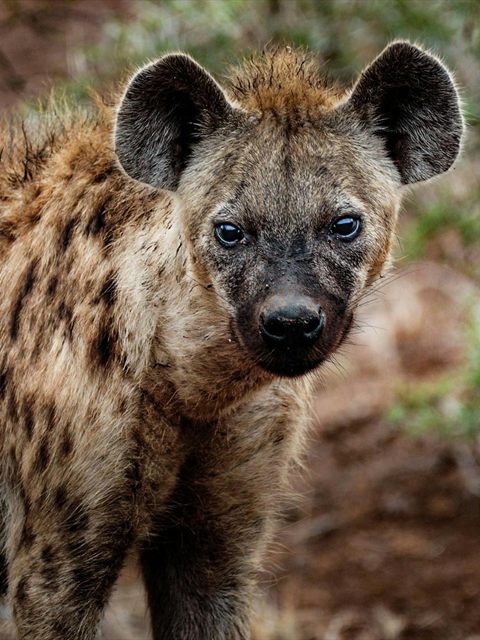
- Lions, leopards, hyenas, and crocodiles are known predators of Uganda Kobs.
- Defense Mechanisms
- Uganda Kobs rely on their speed and agility to escape predators, often using their strong hind legs to leap away quickly.
- Compatible Animals
- other antelope species, zebras, warthogs
- Found in Zoos
- Uncommon