


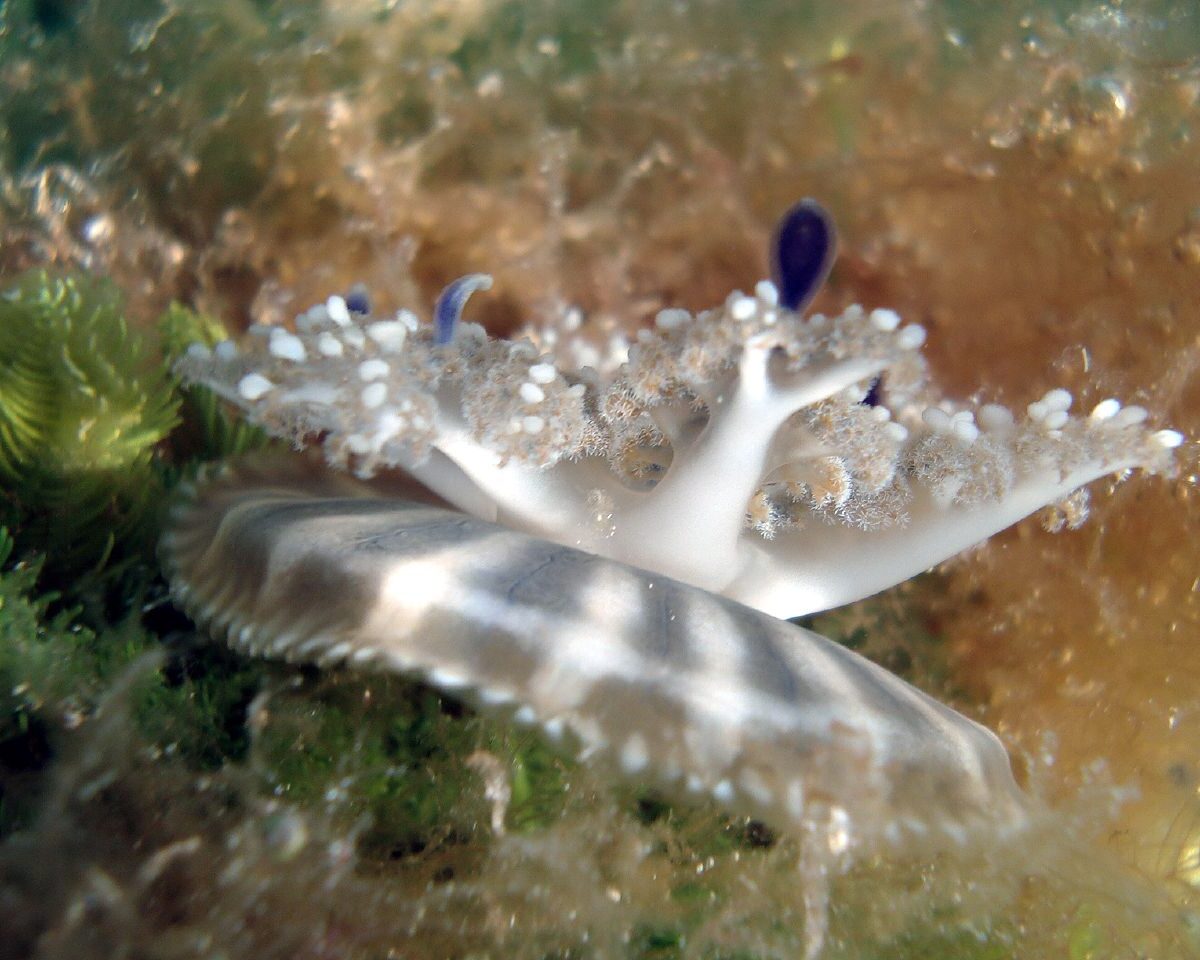
UPSIDE DOWN JELLYFISH
DESCRIPTION
Also called Mastigias, the Upside Down Jellyfish is a unique species known for its distinctive appearance, with a bell that is typically transparent and can have a brownish tint due to symbiotic algae. This jellyfish is often found resting upside down on the seafloor, which is a behavior that allows it to maximize sunlight exposure for its algal partners. Ecologically, it plays a role in the marine food web, both as a predator and prey, contributing to the health of its habitat.
FUN FACTS
- Upside Down Jellyfish have a fascinating symbiotic relationship with algae, which live within their tissues and provide them with nutrients through photosynthesis
- This relationship not only benefits the jellyfish but also gives them their unique coloration
- | They are often used in educational settings to teach about marine ecosystems and symbiosis, showcasing how different species can coexist and benefit from one another in a shared environment
QUICK INFO
Lifespan1-2 years in the wild
Average Length30-40 cm
Diet TypeOmnivore
Social Structuregroup — they are often found in small to large aggregations.
Activity PatternDiurnal
Breeding SeasonVariable, often linked to environmental conditions
- Habitat
- This species typically inhabits shallow coastal waters, often in sandy or muddy substrates. They are commonly found in lagoons and estuaries where sunlight can penetrate.
- Biomes
- Coastal, Marine
- Native Range
- The Upside Down Jellyfish is native to the warm waters of the Indo-Pacific region.
- Continent
- Asia, Australia, Africa
- Countries
- Australia, Indonesia, Philippines, Madagascar
- Diet
- Upside Down Jellyfish primarily feeds on zooplankton and small fish, capturing them with its tentacles. It also benefits from the photosynthetic products of the algae living within its tissues.
- Diet Type
- Omnivore
- Favorite Food
- zooplankton, small fish
- Social Structure
- group — they are often found in small to large aggregations.
- Activity Pattern
- Diurnal
- Group Size
- 5-50
- Territorial
- 0

30-40 cm
Length
- Coloration
- transparent with brownish or greenish hues due to symbiotic algae
- Lifespan
- 1-2 years in the wild
- Sexual Maturity
- 1 year
- Breeding Season
- Variable, often linked to environmental conditions
LC
Least Concern
IUCN Red List Status
- Population Status
- The population status is currently stable in many areas, but local conditions can affect numbers.
- Population Trend
- Stable
- Endangered
- 0
- Threats
- Main threats include habitat degradation and pollution, which can impact their algal symbionts and overall health. Climate change also poses a risk through ocean warming and acidification.
- Predators
- Sea turtles, certain fish species, and larger jellyfish are known predators of the Upside Down Jellyfish.
- Defense Mechanisms
- They possess stinging cells (nematocysts) that can deter potential predators.
- Compatible Animals
- small fish, seahorses, certain crustaceans
- Found in Zoos
- Uncommon