



VARIEGATED LEMUR
DESCRIPTION
The Variegated Lemur, also known as the Variegated Sifaka, is a strikingly colored primate with a mix of black, white, and brown fur. This species is known for its unique appearance, characterized by a long tail and large, expressive eyes. Variegated Lemurs are arboreal and spend most of their time in trees, where they exhibit remarkable agility and leaping abilities.
FUN FACTS
- Variegated Lemurs are known for their impressive leaping abilities, which can reach distances of up to 10 meters between trees
- This remarkable skill helps them navigate their arboreal habitat efficiently and evade predators
- | These lemurs have a unique social structure where females are dominant, which is relatively rare among primates
- This matriarchal system influences their group dynamics and mating behaviors
QUICK INFO
Lifespan15-20 years in the wild, up to 25 in captivity
Average Weight3-4 kg
Average Length50-60 cm
Diet TypeHerbivore
Social Structuregroup — they typically live in small family groups.
Activity PatternDiurnal
Breeding SeasonSpring (September-November)
- Habitat
- These lemurs inhabit tropical rainforests and dense woodlands, where they can find ample food and shelter. They prefer areas with a high canopy, which provides safety from ground predators.
- Biomes
- Tropical Rainforest
- Native Range
- The Variegated Lemur is native to Madagascar, specifically found in the eastern rainforests of the island.
- Continent
- Africa
- Countries
- Madagascar
- Diet
- Variegated Lemurs primarily consume leaves, fruits, and flowers. They have a diverse diet that allows them to thrive in their natural habitat.
- Diet Type
- Herbivore
- Favorite Food
- leaves, fruits, flowers
- Social Structure
- group — they typically live in small family groups.
- Activity Pattern
- Diurnal
- Group Size
- 3-10
- Territorial
- 1
 VU
VU
 EN
EN
3-4 kg
Weight
50-60 cm
Length
- Coloration
- The fur is a mix of black, white, and brown, with distinct patterns that vary among individuals.
- Lifespan
- 15-20 years in the wild, up to 25 in captivity
- Gestation Period
- 120 days
- Offspring per Birth
- 1-2
- Sexual Maturity
- 2-3 years
- Breeding Season
- Spring (September-November)
EN
Endangered
IUCN Red List Status
- Population Status
- The population of Variegated Lemurs is currently declining due to habitat loss and hunting.
- Wild Population Estimate
- 10,000-15,000
- Population Trend
- Decreasing
- Endangered
- 1
- Threats
- The main threats to Variegated Lemurs include deforestation due to agriculture and logging, as well as hunting for bushmeat. These pressures have significantly impacted their habitat and population numbers.
- Conservation Program
- Conservation efforts are underway in Madagascar to protect their habitat and raise awareness about their plight.
- Predators
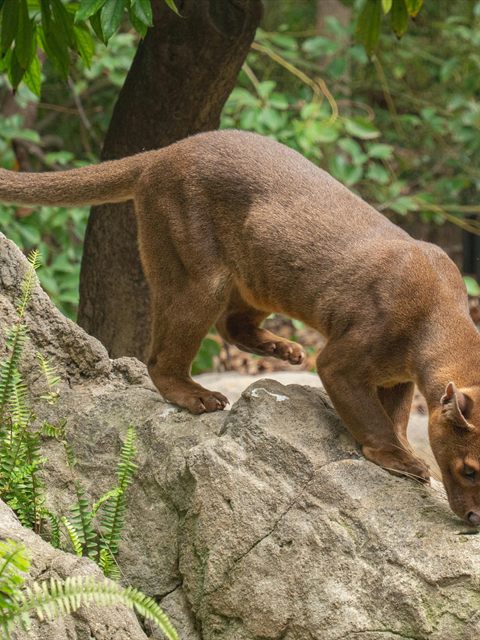
- Birds of prey, fossa, and domestic dogs are known predators of the Variegated Lemur.
- Defense Mechanisms
- They use their agility to escape predators by leaping between trees and can also emit loud calls to alert others of danger.
- Found in Zoos
- Uncommon