



VERVET MONKEY
Chlorocebus pygerythrus
DESCRIPTION
Vervet monkeys are medium-sized primates with a distinctive appearance characterized by their black faces, white fur around the mouth, and greenish-gray body fur. They are highly social animals, often seen in groups, and are known for their complex vocalizations and behaviors, which include alarm calls to warn others of predators. In their natural habitat, they play a crucial role in seed dispersal and maintaining the ecological balance.
FUN FACTS
- Vervet monkeys have a unique system of alarm calls that vary depending on the type of predator, allowing them to communicate specific threats to their group
- This sophisticated vocalization system demonstrates their advanced cognitive abilities and social structure
- | They are known for their playful behavior and often engage in social play, which is crucial for the development of young monkeys
- This play helps them learn important social skills and establish relationships within their groups
QUICK INFO
Lifespan12-20 years in the wild, up to 25 years in captivi
Average Weight4-8 kg
Average Length40-70 cm
Diet TypeOmnivore
Social Structuregroup — they live in matrilineal groups with a clear hierarchy.
Activity PatternDiurnal
Breeding SeasonYear-round, with peaks depending on the region
- Habitat
- Vervet monkeys inhabit a range of environments, including savannas, woodlands, and forest edges. They are adaptable and can thrive in both natural and human-altered landscapes.
- Biomes
- Savanna, Woodland, Grassland
- Native Range
- Vervet monkeys are native to sub-Saharan Africa, primarily found in countries south of the Sahara Desert.
- Continent
- Africa
- Countries
- South Africa, Kenya, Uganda, Tanzania, Botswana, Namibia
- Diet
- Vervet monkeys are omnivorous, feeding on a variety of foods including fruits, leaves, seeds, and insects. They are known to forage in trees and on the ground, often using their dexterous hands to manipulate food items.
- Diet Type
- Omnivore
- Favorite Food
- fruits, seeds, and insects
- Social Structure
- group — they live in matrilineal groups with a clear hierarchy.
- Activity Pattern
- Diurnal
- Group Size
- 10-50
- Territorial
- 1
 VU
VU
 LC
LC
 LC
LC
4-8 kg
Weight
40-70 cm
Length
- Coloration
- greenish-gray body with black face and white fur around the mouth
- Sexual Dimorphism
- males are generally larger than females
- Lifespan
- 12-20 years in the wild, up to 25 years in captivi
- Gestation Period
- 165 days
- Offspring per Birth
- 1
- Sexual Maturity
- 3-4 years
- Breeding Season
- Year-round, with peaks depending on the region
LC
Least Concern
IUCN Red List Status
- Population Status
- The population of vervet monkeys is generally stable, but they face threats from habitat loss and hunting.
- Wild Population Estimate
- 100,000+
- Population Trend
- Stable
- Endangered
- 0
- Threats
- Main threats include habitat destruction due to agriculture and urbanization, as well as hunting for bushmeat. These factors can lead to localized declines in their populations.
- Predators
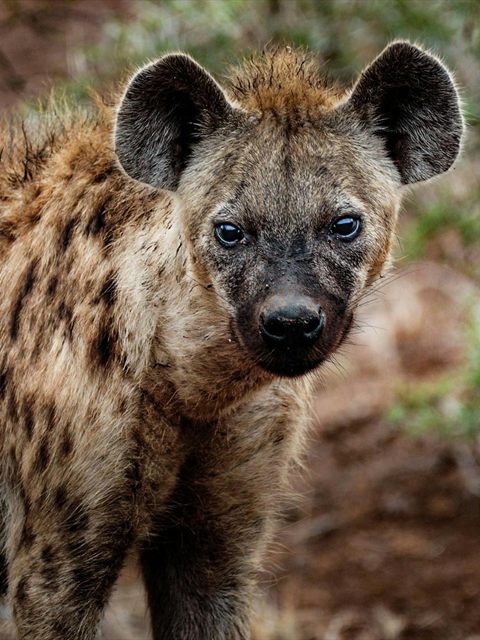
- Leopards, lions, hyenas, and large birds of prey such as eagles.
- Defense Mechanisms
- Vervet monkeys use alarm calls to warn others of predators and often engage in mobbing behavior to deter threats.
- Found in Zoos
- Common