


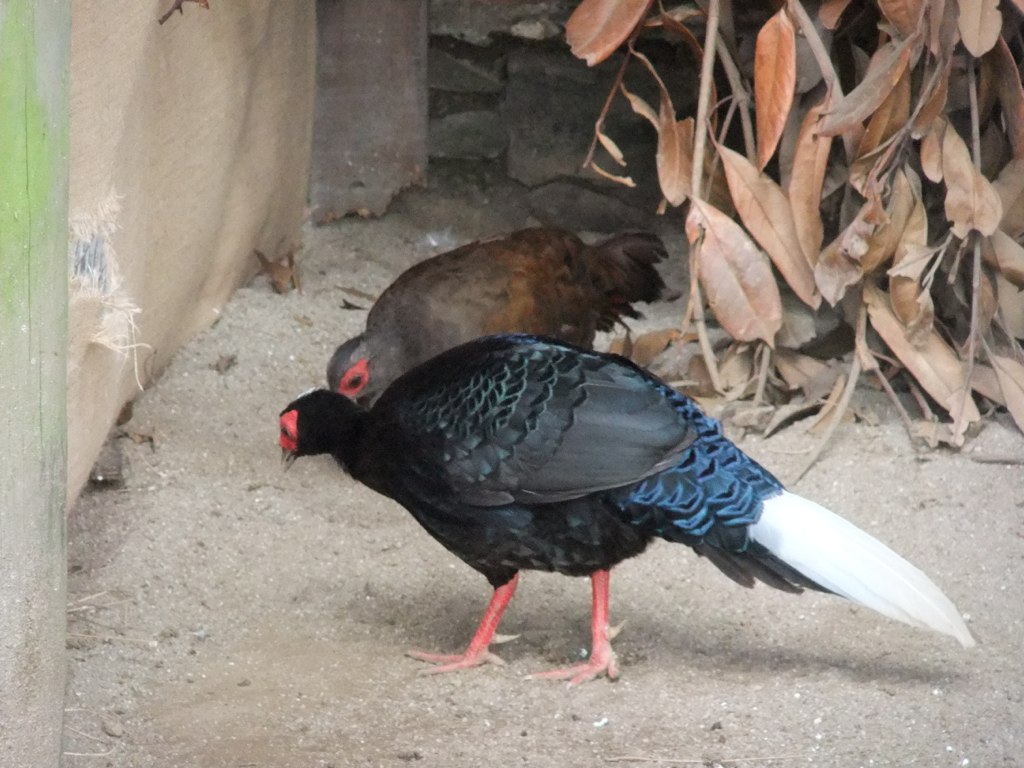
VIETNAMESE PHEASANT
Lophura hatinhensis
DESCRIPTION
Vietnamese Pheasant (Lophura hatinhensis) is a striking bird endemic to Vietnam, characterized by its vibrant plumage and distinctive features. Males exhibit a rich blue and green coloration with a long, elegant tail, while females are more subdued in color, featuring browns and tans for camouflage. This species is known for its elusive behavior, often inhabiting dense forests and underbrush, making it a challenge to observe in the wild.
FUN FACTS
- The Vietnamese Pheasant is a symbol of Vietnam's rich biodiversity and is often featured in local folklore
- Despite its beauty, it remains one of the lesser-known pheasant species, making conservation efforts even more critical to its survival.| This species has adapted to its forest environment with remarkable agility, allowing it to navigate through dense underbrush with ease
- Its elusive nature makes it a fascinating subject for birdwatchers and ornithologists alike
QUICK INFO
Lifespan5-10 years in the wild, up to 15 in captivity
Average Weight1-1.5 kg
Average Length60-70 cm
Diet TypeOmnivore
Social StructureTypically solitary or found in pairs, especially during the breeding season.
Activity PatternDiurnal
Breeding SeasonSpring (March-May)
- Habitat
- This pheasant prefers dense, humid forests and thickets, often found in mountainous regions. It thrives in areas with ample cover for foraging and nesting.
- Biomes
- Tropical Rainforest, Temperate Forest
- Native Range
- The Vietnamese Pheasant is native to the central highlands of Vietnam, particularly in the provinces of Ha Tinh and Quang Binh.
- Continent
- Asia
- Countries
- Vietnam
- Diet
- The Vietnamese Pheasant primarily feeds on seeds, fruits, and insects, foraging on the forest floor. Its diet varies seasonally, depending on the availability of food sources.
- Diet Type
- Omnivore
- Favorite Food
- seeds, fruits, insects
- Social Structure
- Typically solitary or found in pairs, especially during the breeding season.
- Activity Pattern
- Diurnal
- Group Size
- 1-2
- Territorial
- 1
 LC
LC
1-1.5 kg
Weight
60-70 cm
Length
- Coloration
- Males are predominantly blue and green with a long tail, while females are brown and tan.
- Sexual Dimorphism
- Males are more colorful and larger than females.
- Lifespan
- 5-10 years in the wild, up to 15 in captivity
- Offspring per Birth
- 5-12 eggs
- Sexual Maturity
- 1 year
- Breeding Season
- Spring (March-May)
EN
Endangered
IUCN Red List Status
- Population Status
- The population of Vietnamese Pheasants is currently declining due to habitat loss and hunting.
- Wild Population Estimate
- Less than 1,000 individuals
- Population Trend
- Decreasing
- Endangered
- 1
- Threats
- Main threats include habitat destruction due to deforestation and hunting for food and sport. These pressures have significantly impacted their population numbers.
- Conservation Program
- Conservation efforts are underway, including habitat protection and breeding programs in captivity.
- Predators
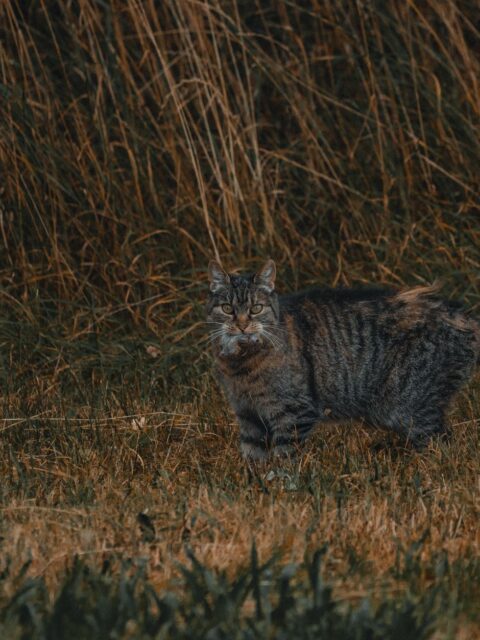
- Main predators include large birds of prey and mammals such as foxes and wild cats.
- Defense Mechanisms
- Vietnamese Pheasants rely on their camouflage and dense habitat to evade predators, often remaining motionless when threatened.
- Found in Zoos
- Rare