


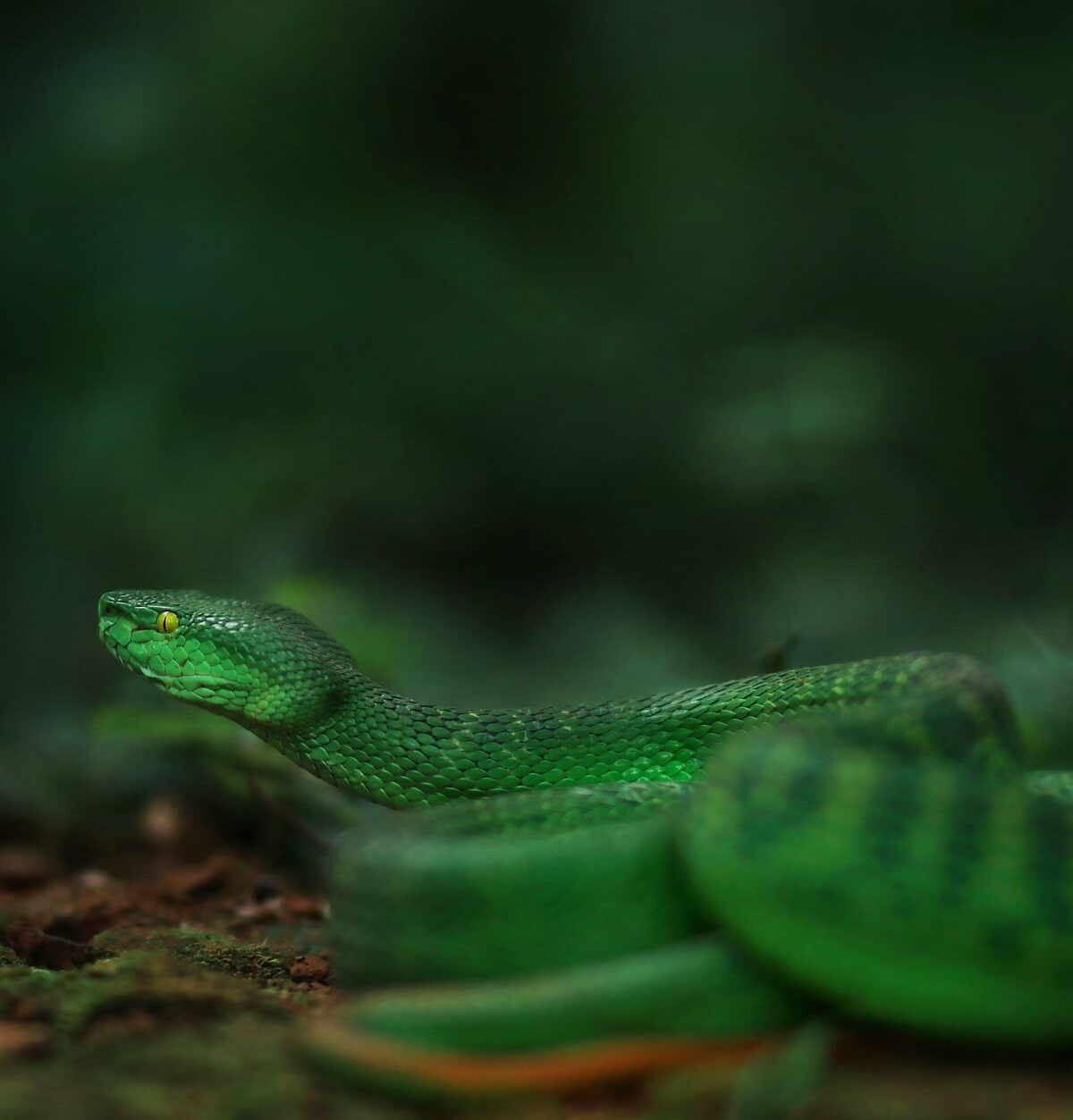
VIPER
Viperinae
DESCRIPTION
Viper (Viperinae) is commonly known as true vipers and includes a variety of species characterized by their long, hinged fangs that allow them to deliver venom deep into their prey. These snakes typically have a robust body and a triangular head, with many species displaying intricate patterns and colors that provide camouflage in their natural habitats. Vipers are primarily terrestrial and are known for their ambush hunting strategy, often lying in wait for unsuspecting prey to come close before striking with remarkable speed.
FUN FACTS
- Vipers have a unique method of hunting that involves using their heat-sensing pits to detect warm-blooded prey even in complete darkness
- Additionally, some species of vipers can give birth to live young, a trait known as ovoviviparity, which is relatively rare among reptiles
QUICK INFO
Lifespan10-20 years in the wild, up to 30 years in captivi
Average Weight0.5-3 kg
Average Length0.5-2 m
Diet TypeCarnivore
Social Structuresolitary, typically only come together for mating
Activity PatternNocturnal
Breeding SeasonSpring (April-June)
- Habitat
- Vipers inhabit a range of environments, including forests, grasslands, and rocky areas, often preferring locations that provide adequate cover for ambush hunting. They can be found in both temperate and tropical regions, adapting to various ecological niches.
- Biomes
- Temperate Forest, Tropical Rainforest, Grassland
- Native Range
- Vipers are found across Europe, Asia, and Africa, with some species also present in the Americas.
- Continent
- Europe, Asia, Africa, North America
- Countries
- United States, Canada, Mexico, various European and Asian countries
- Diet
- Vipers primarily feed on small mammals, birds, and sometimes reptiles, using their venom to immobilize their prey before consumption.
- Diet Type
- Carnivore
- Favorite Food
- small mammals, birds
- Social Structure
- solitary, typically only come together for mating
- Activity Pattern
- Nocturnal
- Group Size
- 1
- Territorial
- 0
 VU
VU
 LC
LC
0.5-3 kg
Weight
0.5-2 m
Length
- Coloration
- often patterned with browns, greens, and grays for camouflage
- Sexual Dimorphism
- males are generally smaller than females
- Lifespan
- 10-20 years in the wild, up to 30 years in captivi
- Gestation Period
- 90-120 days
- Offspring per Birth
- 3-20
- Sexual Maturity
- 2-4 years
- Breeding Season
- Spring (April-June)
VU
Vulnerable
IUCN Red List Status
- Population Status
- Some species are common, while others are threatened or endangered due to habitat loss and hunting.
- Wild Population Estimate
- unknown
- Population Trend
- Decreasing
- Endangered
- 1
- Threats
- Main threats include habitat destruction, climate change, and persecution due to fear of venomous bites. Some species are also targeted for their skins and for use in traditional medicine.
- Predators
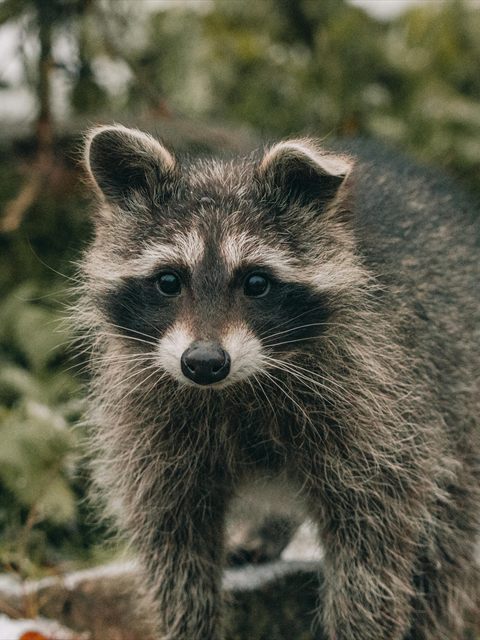
- birds of prey, larger snakes, and mammals such as foxes and raccoons
- Defense Mechanisms
- Vipers rely on their camouflage to avoid detection and will strike if threatened, using their venom as a defense.
- Found in Zoos
- Common