


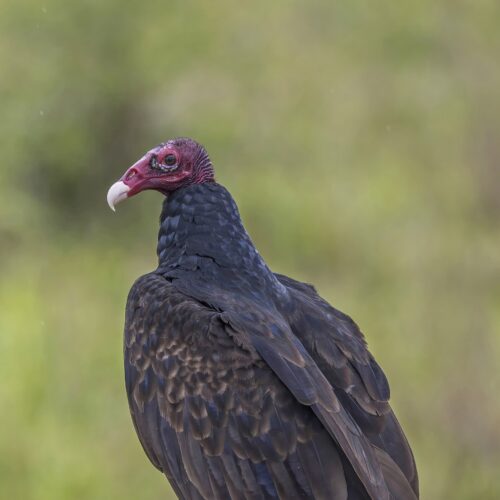
VULTURE
DESCRIPTION
Vultures are large birds of prey known for their scavenging habits. They have broad wings and a distinctive bald head, which helps them stay clean while feeding on carrion. Vultures play a crucial ecological role by consuming dead animals, thus preventing the spread of disease.
FUN FACTS
- Vultures have a highly developed sense of smell, which is unique among birds of prey
- Some species, like the Turkey Vulture, can detect the gases produced by decaying animals from several miles away
- | Vultures are known for their impressive soaring abilities, often flying at altitudes of up to 15,000 feet
- They can cover vast distances in search of food, using thermal updrafts to stay aloft with minimal energy expenditure
QUICK INFO
Lifespan20-30 years in the wild, up to 50 in captivity
Average Weight3-15 kg
Average Length0.6-1.2 m
Diet TypeCarnivore
Social Structuregroup — vultures often gather in large numbers to feed on carcasses.
Activity PatternDiurnal
Breeding SeasonSpring (March-May)
- Habitat
- Vultures are typically found in open and semi-open habitats, including savannas, grasslands, and mountainous regions. They prefer areas where they can easily spot potential food sources from the air.
- Biomes
- Savanna, Grassland, Mountain
- Native Range
- Vultures are found across various regions, including Africa, Asia, and parts of Europe and North America.
- Continent
- Africa, Asia, Europe, North America
- Countries
- United States, India, South Africa, Spain, Turkey
- Diet
- Vultures primarily feed on carrion, which includes the remains of dead animals. They have excellent eyesight that allows them to spot food from great distances.
- Diet Type
- Carnivore
- Favorite Food
- carrion
- Social Structure
- group — vultures often gather in large numbers to feed on carcasses.
- Activity Pattern
- Diurnal
- Group Size
- 5-50
- Territorial
- 0
 LC
LC
 LC
LC
3-15 kg
Weight
0.6-1.2 m
Length
- Coloration
- mostly brown or black with some species having white or gray plumage.
- Sexual Dimorphism
- males and females are similar in appearance, though females may be slightly larger.
- Lifespan
- 20-30 years in the wild, up to 50 in captivity
- Offspring per Birth
- 1-3
- Sexual Maturity
- 4-5 years
- Breeding Season
- Spring (March-May)
EN
Endangered
IUCN Red List Status
- Population Status
- Many vulture species are experiencing population declines due to habitat loss and poisoning.
- Wild Population Estimate
- 100,000-200,000
- Population Trend
- Decreasing
- Endangered
- 1
- Threats
- Vultures face threats from habitat destruction, poisoning from carcasses laced with toxins, and hunting. These factors have led to significant declines in their populations.
- Conservation Program
- Vulture restaurants and breeding programs are being implemented in various regions to help boost populations.
- Predators
- Golden Eagles, large mammals (e.g., lions, hyenas) may scavenge on young or injured vultures.
- Defense Mechanisms
- Vultures have few natural predators due to their size and scavenging lifestyle, but they can fly away quickly to escape threats.
- Compatible Animals
- none
- Found in Zoos
- Common