


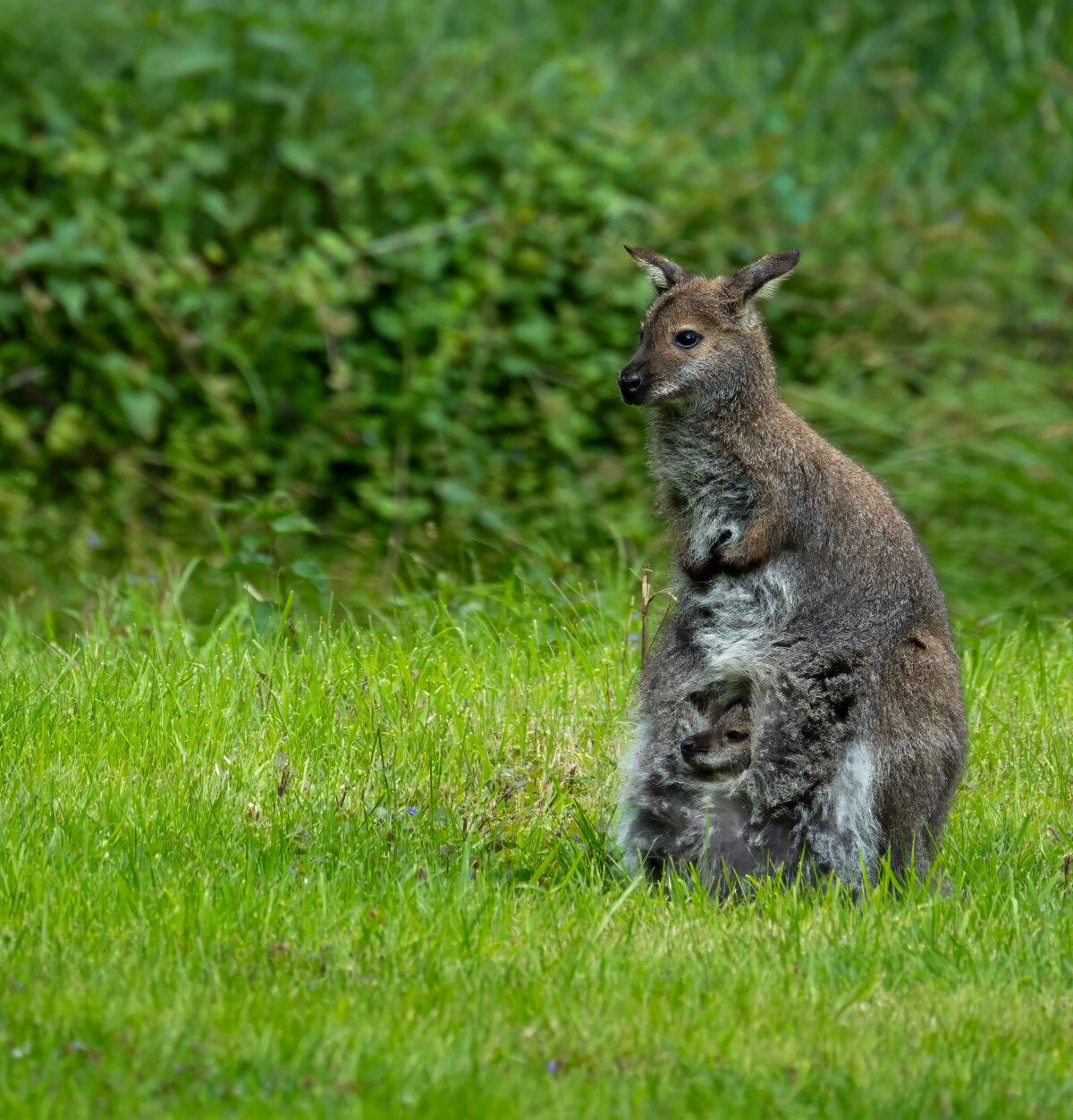
WALLABY
Macropus spp.
DESCRIPTION
Wallaby (Macropus spp.) are small to medium-sized marsupials that are closely related to kangaroos. They typically have a robust body, long hind legs, and a long tail, which they use for balance while hopping. These animals are known for their social behavior, often seen in groups, and they inhabit a variety of environments ranging from forests to grasslands.
FUN FACTS
- Wallabies are known for their unique hopping locomotion, which allows them to cover large distances quickly while conserving energy
- They can leap up to three times their body length in a single bound! | Wallabies have a special adaptation in their digestive system that allows them to ferment tough plant materials, making them efficient grazers
- This adaptation is crucial for their survival in the wild, where food can be scarce
QUICK INFO
Lifespan8-12 years in the wild, up to 15 years in captivit
Average Weight5-30 kg
Average Length0.5-1.5 m
Diet TypeHerbivore
Social Structuregroup — they often form small groups for foraging and protection.
Activity PatternCrepuscular
Breeding SeasonYear-round, with peaks depending on species and location
- Habitat
- Wallabies are adaptable and can be found in a range of habitats including forests, grasslands, and scrublands. They prefer areas with ample cover for shelter and foraging.
- Biomes
- Grassland, Forest, Scrubland
- Native Range
- Wallabies are native to Australia and New Guinea, with some species also found on nearby islands.
- Continent
- Australia, Oceania
- Countries
- Australia, New Guinea
- Diet
- Wallabies are herbivores, primarily grazing on grasses, leaves, and shoots. They have a specialized digestive system that allows them to efficiently process fibrous plant material.
- Diet Type
- Herbivore
- Favorite Food
- grasses, leaves, shoots
- Social Structure
- group — they often form small groups for foraging and protection.
- Activity Pattern
- Crepuscular
- Group Size
- 2-10
- Territorial
- 0
 LC
LC
 LC
LC
5-30 kg
Weight
0.5-1.5 m
Length
- Coloration
- fur coloration varies by species, typically ranging from brown to gray with lighter underparts.
- Sexual Dimorphism
- males are generally larger than females
- Lifespan
- 8-12 years in the wild, up to 15 years in captivit
- Gestation Period
- 30-40 days
- Offspring per Birth
- 1
- Sexual Maturity
- 1-2 years
- Breeding Season
- Year-round, with peaks depending on species and location
VU
Vulnerable
IUCN Red List Status
- Population Status
- Some species are common, while others are threatened due to habitat loss and hunting.
- Wild Population Estimate
- unknown
- Population Trend
- Decreasing
- Endangered
- 1
- Threats
- Main threats include habitat destruction, hunting, and competition with livestock. Climate change also poses a risk to their habitats.
- Conservation Program
- Various conservation programs are in place to protect wallaby habitats and populations.
- Predators
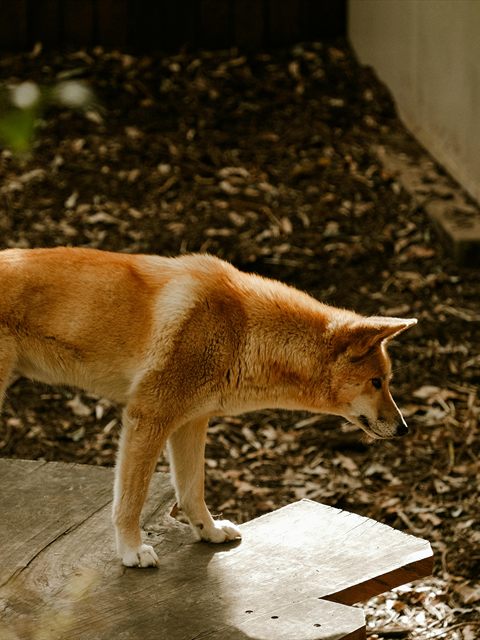
- Dingoes, eagles, and large reptiles are known predators of wallabies.
- Defense Mechanisms
- Wallabies use their strong hind legs to kick at predators and can also use their speed to escape.
- Compatible Animals
- none
- Found in Zoos
- Common