


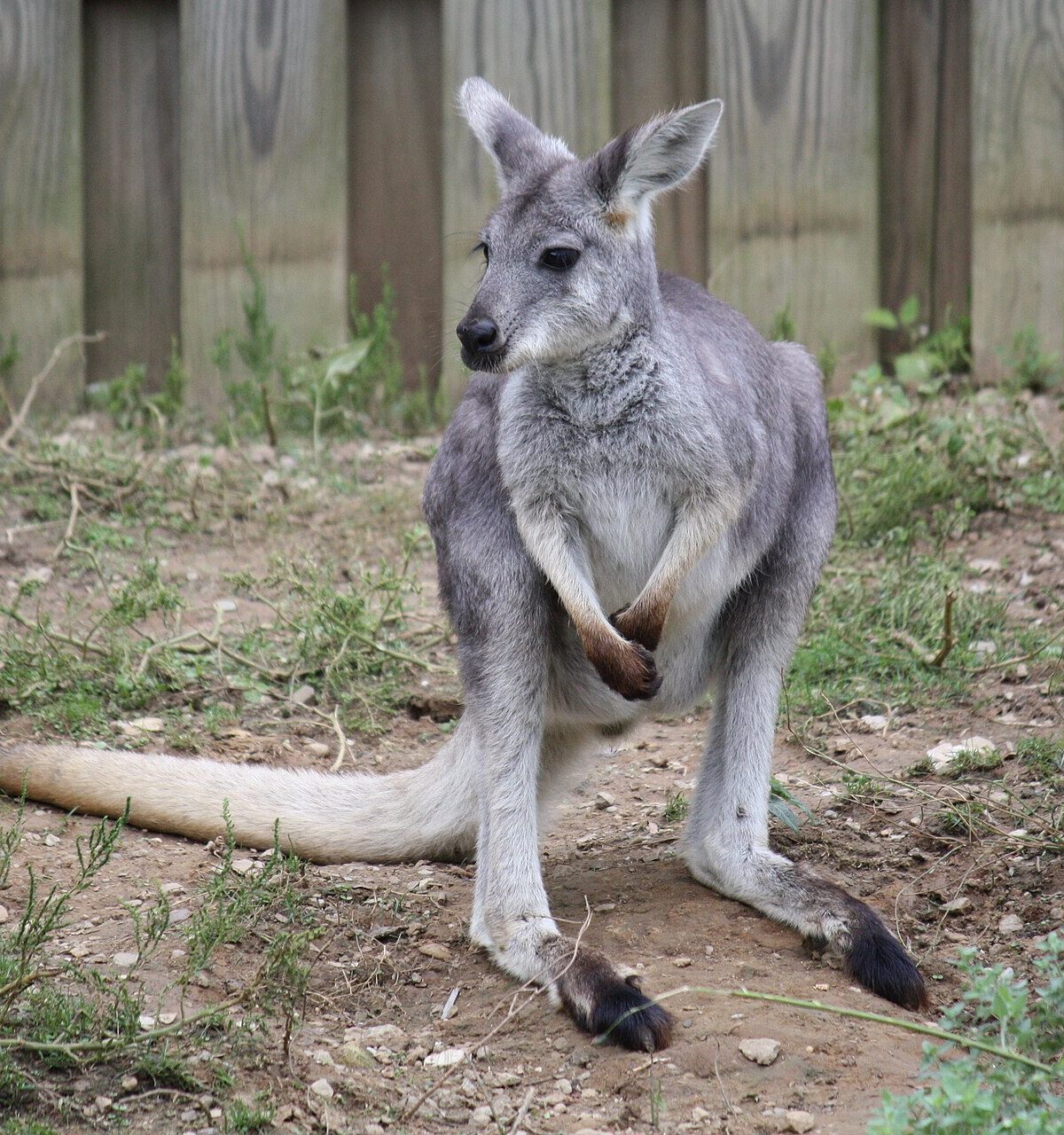
WALLAROO
DESCRIPTION
Also called the Euro and Hill Kangaroo, the Wallaroo is a medium-sized marsupial native to Australia. It has a robust build, with a thickset body, short limbs, and a long tail, which it uses for balance while hopping. Wallaroos are known for their adaptability to various environments, often found in rocky outcrops and open grasslands, where they can graze and seek shelter from predators.
FUN FACTS
- Wallaroos are known for their unique hopping style, which is more pronounced than that of larger kangaroos, allowing them to navigate rocky terrains with ease
- | Unlike many other marsupials, Wallaroos can tolerate a wide range of environmental conditions, making them highly adaptable and resilient in the face of habitat changes
QUICK INFO
Lifespan10-15 years in the wild, up to 20 years in captivi
Average Weight30-50 kg
Average Length1.0-1.5 m
Diet TypeHerbivore
Social Structuresolitary or small groups, typically consisting of a few individuals
Activity PatternDiurnal
Breeding SeasonYear-round, with peaks in spring and summer
- Habitat
- Wallaroos inhabit a range of environments, including rocky hills, open grasslands, and scrublands. They prefer areas with access to water and shelter from extreme weather.
- Biomes
- Grassland, Savanna, Scrubland
- Native Range
- Wallaroos are found throughout Australia, particularly in the eastern and northern regions.
- Continent
- Australia
- Countries
- Australia
- Diet
- Wallaroos are herbivores, primarily feeding on grasses, leaves, and shrubs. They are known to graze in the early morning and late afternoon when temperatures are cooler.
- Diet Type
- Herbivore
- Favorite Food
- grasses, leaves, shrubs
- Social Structure
- solitary or small groups, typically consisting of a few individuals
- Activity Pattern
- Diurnal
- Group Size
- 1-5
- Territorial
- 0
 LC
LC
 LC
LC
30-50 kg
Weight
1.0-1.5 m
Length
1.0 m at shoulder
Height (Shoulder)
- Coloration
- The coloration of Wallaroos varies from grey to brown, often with a lighter underbelly.
- Sexual Dimorphism
- Males are generally larger and more robust than females.
- Lifespan
- 10-15 years in the wild, up to 20 years in captivi
- Gestation Period
- 30-35 days
- Offspring per Birth
- 1
- Sexual Maturity
- 1-2 years
- Breeding Season
- Year-round, with peaks in spring and summer
LC
Least Concern
IUCN Red List Status
- Population Status
- Wallaroo populations are currently stable, with no significant threats to their overall numbers.
- Wild Population Estimate
- Not specifically estimated, but considered stable
- Population Trend
- Stable
- Endangered
- 0
- Threats
- Main threats include habitat loss due to agriculture and urban development, as well as hunting in some areas. However, they are generally adaptable and can thrive in modified landscapes.
- Predators
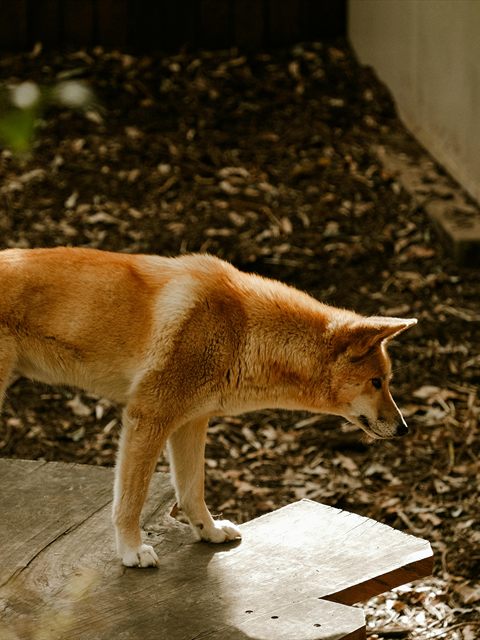
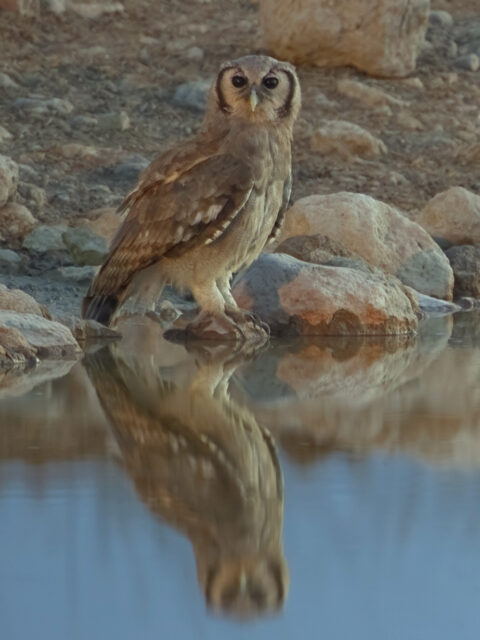
- Dingoes, eagles, and large reptiles are known predators of Wallaroos.
- Defense Mechanisms
- Wallaroos rely on their speed and agility to escape predators, often using rocky terrain to their advantage.
- Compatible Animals
- Other macropods, such as kangaroos and wallabies, in zoo settings
- Found in Zoos
- Common