


WANDERING TATTLER
Tringa incana
DESCRIPTION
The Wandering Tattler (Tringa incana) is a medium-sized shorebird known for its distinctive gray plumage and long legs. It is often found along rocky shorelines and is recognized for its unique foraging behavior.
FUN FACTS
- Wandering Tattlers are known for their unique foraging technique of probing in rocks and sand | They have a distinctive call that sounds like a 'tattling' noise | This species migrates long distances, traveling thousands of miles between breeding and wintering grounds
QUICK INFO
Lifespanup to 10 years in the wild
Average Weight150-200 g
Average Length25-30 cm
Diet TypeCarnivore
Social Structuresolitary, occasionally seen in small groups
Activity PatternDiurnal
Breeding SeasonSpring (May-July)
- Habitat
- This species inhabits coastal areas, particularly rocky shorelines and tidal flats. They prefer habitats with abundant food sources and suitable nesting sites.
- Biomes
- Coastal, Marine
- Native Range
- Wandering Tattlers breed in Alaska and parts of the Arctic and migrate to coastal areas of the Pacific and Indian Oceans during winter.
- Continent
- North America, Asia, Australia
- Countries
- United States, Canada, Russia, Australia, New Zealand
- Diet
- Wandering Tattlers primarily feed on invertebrates and small fish found in tidal zones. They use their long bills to probe into crevices and sand to find food.
- Diet Type
- Carnivore
- Favorite Food
- crustaceans, mollusks, small fish
- Social Structure
- solitary, occasionally seen in small groups
- Activity Pattern
- Diurnal
- Group Size
- 1-5
- Territorial
- 1
 VU
VU

 LC
LC
150-200 g
Weight
25-30 cm
Length
- Coloration
- grayish-brown upperparts with a white belly and streaked breast
- Lifespan
- up to 10 years in the wild
- Offspring per Birth
- 3-4
- Sexual Maturity
- 2-3 years
- Breeding Season
- Spring (May-July)
LC
Least Concern
IUCN Red List Status
- Population Status
- The population is currently stable, but habitat loss poses a potential threat.
- Wild Population Estimate
- 50,000-100,000
- Population Trend
- Stable
- Endangered
- 0
- Threats
- Main threats include habitat destruction due to coastal development and climate change affecting their breeding and feeding grounds.
- Predators
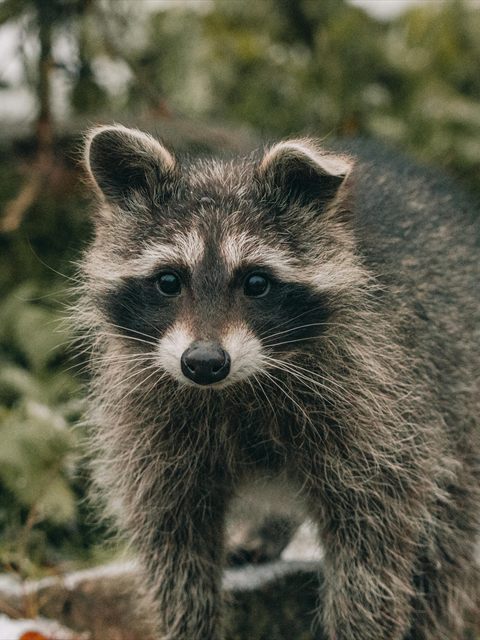
- birds of prey, foxes, raccoons
- Defense Mechanisms
- They rely on camouflage and quick flight to evade predators.
- Found in Zoos
- Rare