


WARTHOG
Phacochoerus africanus
DESCRIPTION
The warthog is a wild member of the pig family, characterized by its distinctive facial warts and tusks. Males are larger than females and possess prominent tusks that can grow up to 25 inches long, which they use for defense and fighting. Warthogs are known for their unique behavior of kneeling on their front legs while feeding, which allows them to graze on grasses and roots effectively.
FUN FACTS
- Warthogs have a unique way of feeding; they often kneel on their front legs to graze, which is quite different from other pig species
- This behavior allows them to reach grasses and roots more effectively, showcasing their adaptability to their environment
- | Despite their somewhat comical appearance, warthogs are quite agile and can run at speeds of up to 30 miles per hour when threatened
- Their tusks, which can be quite large, are not just for show; they are used in fights with other males and for defense against predators
QUICK INFO
Lifespan10-15 years in the wild, up to 20 years in captivi
Average Weight50-150 kg
Average Length1.2-1.8 m
Diet TypeHerbivore
Social Structuregroup — females and their young form sounders, while males are usually solitary.
Activity PatternDiurnal
Breeding SeasonYear-round, with peaks depending on the region
- Habitat
- Warthogs inhabit savannas, grasslands, and open woodlands, often near water sources. They prefer areas with abundant vegetation for foraging and burrowing.
- Biomes
- Savanna, Grassland
- Native Range
- Warthogs are native to sub-Saharan Africa, found in a variety of habitats across the continent.
- Continent
- Africa
- Countries
- Botswana, Kenya, Tanzania, South Africa, Namibia, Zimbabwe
- Diet
- Warthogs are primarily herbivorous, feeding on grasses, roots, and tubers. They are known to dig for food using their snouts and tusks.
- Diet Type
- Herbivore
- Favorite Food
- grasses, roots, tubers
- Social Structure
- group — females and their young form sounders, while males are usually solitary.
- Activity Pattern
- Diurnal
- Group Size
- 2-10
- Territorial
- 0
 LC
LC
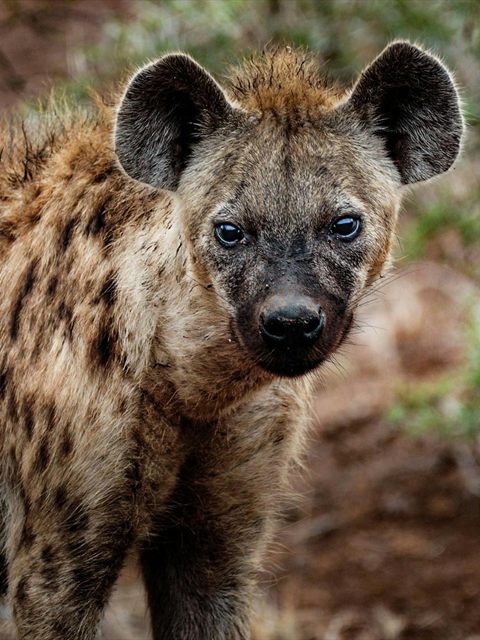 LC
LC
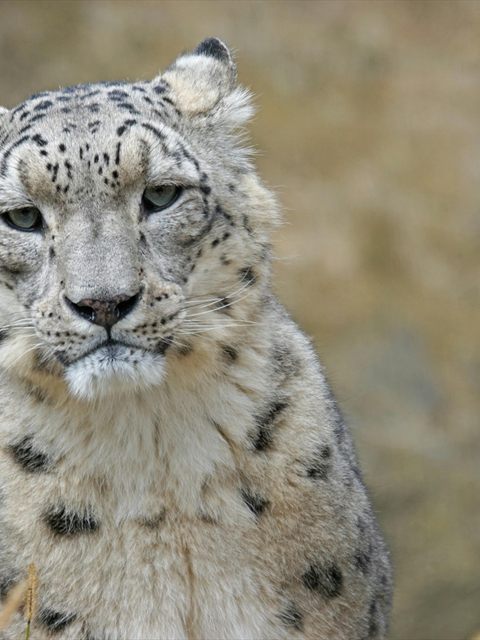 VU
VU
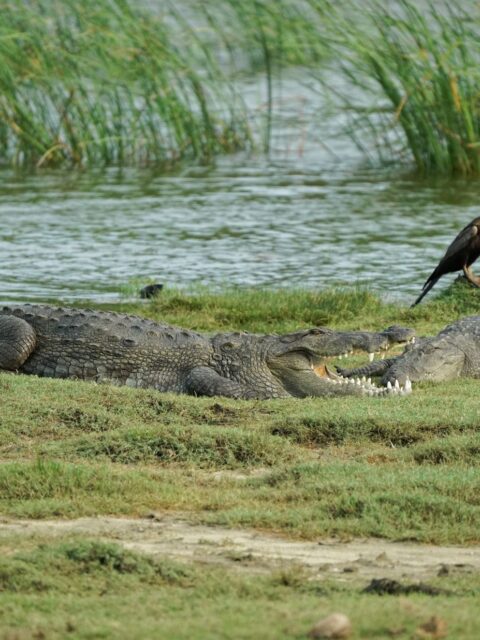 VU
VU
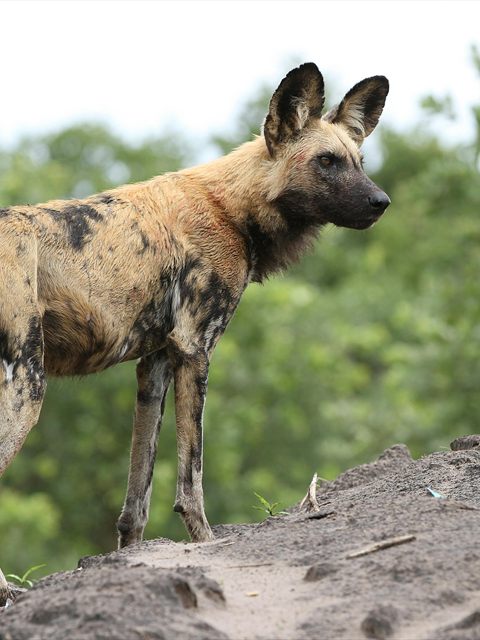 EN
EN
50-150 kg
Weight
1.2-1.8 m
Length
0.8-1.0 m at shoulder
Height (Shoulder)
- Coloration
- Warthogs have a coarse, bristly coat that is usually a mix of brown and gray.
- Sexual Dimorphism
- Males are generally larger and have more prominent tusks than females.
- Lifespan
- 10-15 years in the wild, up to 20 years in captivi
- Gestation Period
- 150 days
- Offspring per Birth
- 2-4
- Sexual Maturity
- 2-3 years
- Breeding Season
- Year-round, with peaks depending on the region
LC
Least Concern
IUCN Red List Status
- Population Status
- Warthogs are currently widespread and not considered endangered, although local populations may be affected by habitat loss.
- Wild Population Estimate
- 100,000+
- Population Trend
- Stable
- Endangered
- 0
- Threats
- Main threats include habitat destruction and hunting. In some areas, they are hunted for bushmeat and face competition for resources with livestock.
- Predators
- Lions, hyenas, leopards, crocodiles, and African wild dogs.
- Defense Mechanisms
- Warthogs can run quickly and use their tusks for defense against predators. They also have a unique behavior of retreating into burrows when threatened.
- Compatible Animals
- none
- Found in Zoos
- Common