


WATER BUFFALO
DESCRIPTION
The water buffalo is a large bovine known for its distinctive curved horns and robust body. They typically have a dark brown to black coloration, with a thick coat that helps them adapt to wet environments. Water buffalo are social animals, often found in herds, and they play a crucial role in their ecosystems by helping to maintain wetland habitats through their grazing and wallowing behaviors.
FUN FACTS
- Water buffalo are excellent swimmers and can submerge themselves in water to escape predators or cool off in hot weather
- They are also known for their strong bond with humans, often used as working animals in agriculture, particularly in rice paddies, where they help till the land.|In some cultures, water buffalo are considered sacred and are integral to local traditions and festivals
- Their milk is also highly valued, being richer in fat and protein than cow's milk, making it ideal for cheese production
QUICK INFO
Lifespan15-25 years in the wild, up to 30 in captivity
Average Weight400-800 kg
Average Length2.0-3.0 m
Diet TypeHerbivore
Social Structuregroup — they typically live in herds that can range from a few individuals to several dozen.
Activity PatternDiurnal
Breeding SeasonYear-round, with peaks depending on the region
- Habitat
- Water buffalo inhabit wetlands, swamps, and river valleys, where they can access both land and water. They are often found in areas with abundant vegetation and shallow water for wallowing.
- Biomes
- Wetlands, Grasslands
- Native Range
- Water buffalo are native to the Indian subcontinent and Southeast Asia, but they have been introduced to other regions, including parts of Africa and Europe.
- Continent
- Asia, Africa, Europe
- Countries
- India, China, Vietnam, Philippines, Italy
- Diet
- Water buffalo are herbivores that primarily graze on grasses, aquatic plants, and other vegetation. They are known to consume a large quantity of food daily to sustain their size.
- Diet Type
- Herbivore
- Favorite Food
- grasses, aquatic plants
- Social Structure
- group — they typically live in herds that can range from a few individuals to several dozen.
- Activity Pattern
- Diurnal
- Group Size
- 5-30
- Territorial
- 0
 EN
EN
 VU
VU
 VU
VU
400-800 kg
Weight
2.0-3.0 m
Length
1.5 m at shoulder
Height (Shoulder)
- Coloration
- dark brown to black
- Sexual Dimorphism
- males are generally larger and have larger horns than females
- Lifespan
- 15-25 years in the wild, up to 30 in captivity
- Gestation Period
- 310 days
- Offspring per Birth
- 1
- Sexual Maturity
- 3-4 years
- Breeding Season
- Year-round, with peaks depending on the region
LC
Least Concern
IUCN Red List Status
- Population Status
- The population of water buffalo is stable, but domesticated populations are much larger than wild populations.
- Wild Population Estimate
- 10,000-15,000
- Population Trend
- Stable
- Endangered
- 0
- Threats
- Main threats include habitat loss due to agriculture and urbanization, as well as competition with domestic livestock. In some regions, hunting and poaching also pose risks.
- Predators
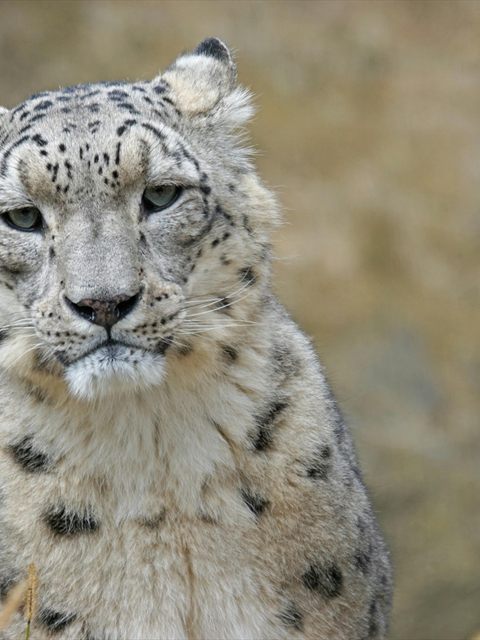
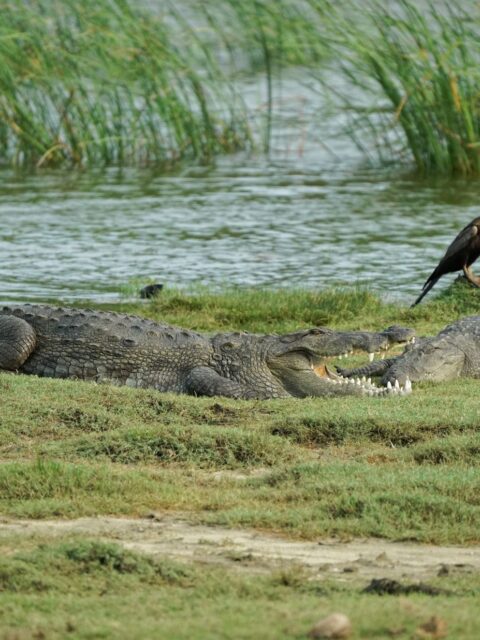
- tigers, leopards, crocodiles, and large carnivores in their native habitats
- Defense Mechanisms
- Water buffalo can defend themselves with their powerful horns and are known to form protective circles around their young when threatened.
- Compatible Animals
- none
- Found in Zoos
- Common