



WATER VOLE
DESCRIPTION
The Water Vole (Arvicola amphibius) is a robust rodent with a stocky body, short legs, and a blunt snout. It has a dense, dark brown fur that helps it blend into its wetland habitat. Water Voles are excellent swimmers, often seen foraging for food in water, and they create extensive burrow systems along riverbanks and lakeshores.
FUN FACTS
- Water Voles are often mistaken for rats due to their size and shape, but they are actually more closely related to lemmings and hamsters
- They are known for their unique swimming style, where they use their back legs to propel themselves while their front legs are used for steering
- | Water Voles have a fascinating social structure; while they are generally solitary, they can form loose colonies in areas with abundant food
- Their burrows can be quite elaborate, featuring multiple entrances and chambers for nesting and food storage
QUICK INFO
Lifespan2-3 years in the wild, up to 5 years in captivity
Average Weight200-300 g
Average Length20-25 cm
Diet TypeHerbivore
Social StructureWater Voles are generally solitary but can be found in pairs during the breeding season. They establish territories that they defend from other voles.
Activity PatternCrepuscular
Breeding SeasonSpring to early autumn
- Habitat
- Water Voles inhabit wetlands, riverbanks, and marshes where there is abundant vegetation. They prefer areas with dense cover to provide protection from predators.
- Biomes
- Wetlands, Freshwater
- Native Range
- Water Voles are native to Europe and parts of Asia, commonly found in the UK, where they are widespread.
- Continent
- Europe, Asia
- Countries
- United Kingdom, France, Germany, Netherlands, Italy
- Diet
- Water Voles primarily feed on a variety of aquatic and semi-aquatic vegetation, including grasses, sedges, and reeds. They may also consume some fruits and seeds.
- Diet Type
- Herbivore
- Favorite Food
- grasses, sedges, reeds
- Social Structure
- Water Voles are generally solitary but can be found in pairs during the breeding season. They establish territories that they defend from other voles.
- Activity Pattern
- Crepuscular
- Group Size
- 1-2
- Territorial
- 1
 LC
LC

 VU
VU
 LC
LC
200-300 g
Weight
20-25 cm
Length
- Coloration
- dark brown fur with a lighter underbelly
- Lifespan
- 2-3 years in the wild, up to 5 years in captivity
- Gestation Period
- 21-30 days
- Offspring per Birth
- 3-7
- Sexual Maturity
- 2-3 months
- Breeding Season
- Spring to early autumn
VU
Vulnerable
IUCN Red List Status
- Population Status
- Water Vole populations have declined significantly in recent years due to habitat loss and predation.
- Wild Population Estimate
- unknown
- Population Trend
- Decreasing
- Endangered
- 1
- Threats
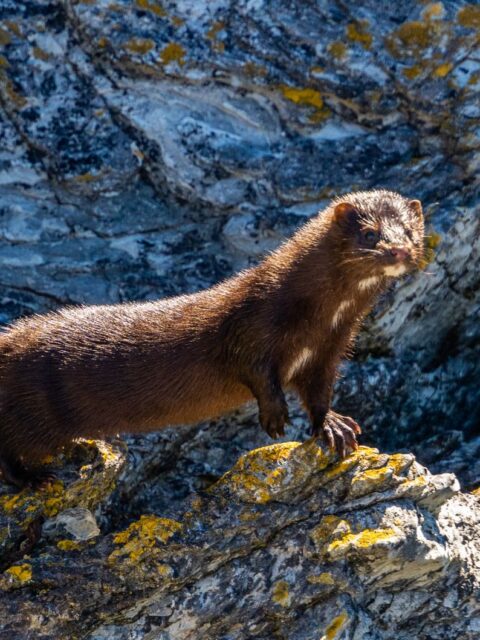
- The main threats to Water Voles include habitat destruction, pollution, and predation by invasive species such as the American Mink. Climate change also poses a risk to their wetland habitats.
- Conservation Program
- Various local conservation programs aim to restore wetland habitats and control invasive species.
- Predators
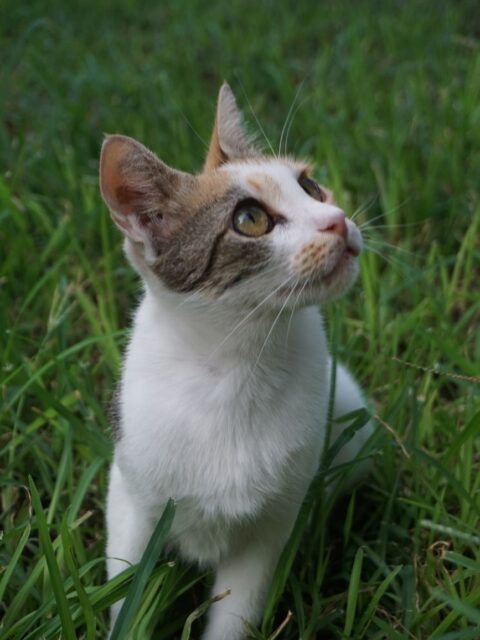
- American Mink, Foxes, Birds of Prey, Domestic Cats
- Defense Mechanisms
- Water Voles rely on their burrows for protection and can quickly escape into the water when threatened.
- Found in Zoos
- Uncommon