


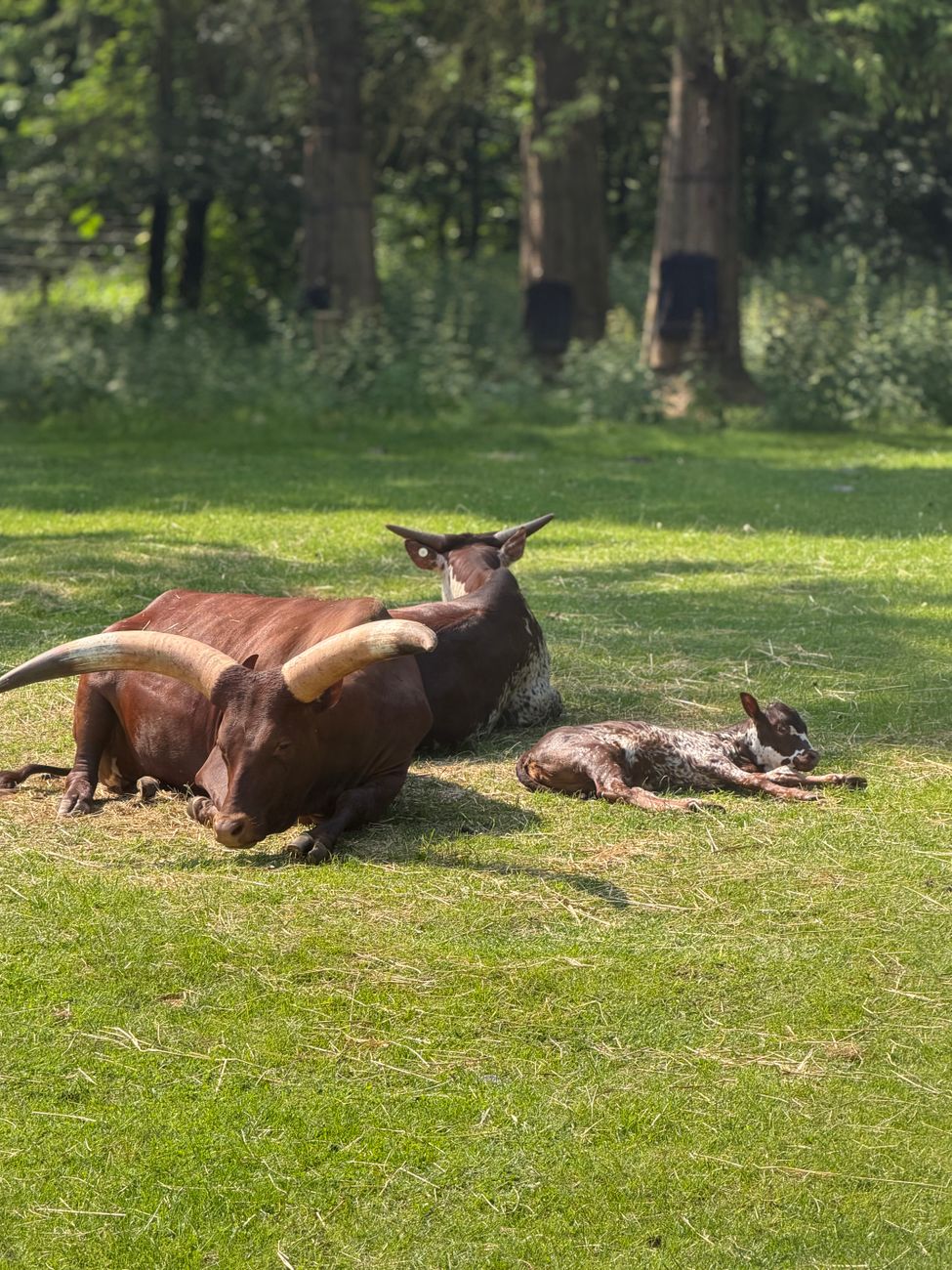
WATUSI CALF
DESCRIPTION
Watusi Calf, also known as Ankole-Watusi, is a young member of the Ankole-Watusi breed, characterized by its strikingly large, curved horns and a robust body. These calves are typically born with a reddish-brown coat that may lighten as they mature, and they exhibit a gentle demeanor, often seen grazing alongside their mothers. In terms of ecology, Watusi Calves are well adapted to their environment, thriving in the grasslands and savannas of Africa, where they play a role in maintaining the grassland ecosystem through their grazing habits.
FUN FACTS
- Watusi Calves are known for their impressive horns, which can grow up to 8 feet in length as they mature
- These horns are not just for show; they help regulate body temperature and are used in social interactions among herd members.| The Ankole-Watusi breed is considered a symbol of wealth and status in some African cultures, with their horns often being a focal point in traditional ceremonies and celebrations
QUICK INFO
Lifespan15-20 years in the wild, up to 25 in captivity
Average Weight30-50 kg
Average Length1-1.5 m
Diet TypeHerbivore
Social Structuregroup — they are usually found in herds that provide social interaction and protection.
Activity PatternDiurnal
Breeding SeasonYear-round
- Habitat
- Watusi Calves inhabit open grasslands and savannas, where they can find ample grazing opportunities. They are often found in herds, which provides safety from predators.
- Biomes
- Savanna, Grassland
- Native Range
- Watusi Calves are native to the African Great Lakes region, particularly in countries like Rwanda, Uganda, and Burundi.
- Continent
- Africa
- Countries
- Rwanda, Uganda, Burundi
- Diet
- Watusi Calves primarily consume grass and other vegetation, relying on their mothers for milk during the early stages of life.
- Diet Type
- Herbivore
- Favorite Food
- grass, leaves
- Social Structure
- group — they are usually found in herds that provide social interaction and protection.
- Activity Pattern
- Diurnal
- Group Size
- 5-30
- Territorial
- 0
 LC
LC
 LC
LC
 VU
VU
30-50 kg
Weight
1-1.5 m
Length
- Coloration
- reddish-brown coat that may lighten with age
- Sexual Dimorphism
- males typically have larger horns than females
- Lifespan
- 15-20 years in the wild, up to 25 in captivity
- Gestation Period
- 280 days
- Offspring per Birth
- 1
- Sexual Maturity
- 2-3 years
- Breeding Season
- Year-round
LC
Least Concern
IUCN Red List Status
- Population Status
- The population of Watusi Calves is stable, but they are considered a rare breed due to selective breeding practices.
- Wild Population Estimate
- unknown
- Population Trend
- Stable
- Endangered
- 0
- Threats
- Main threats include habitat loss due to agricultural expansion and competition with livestock. Additionally, selective breeding has reduced genetic diversity.
- Predators
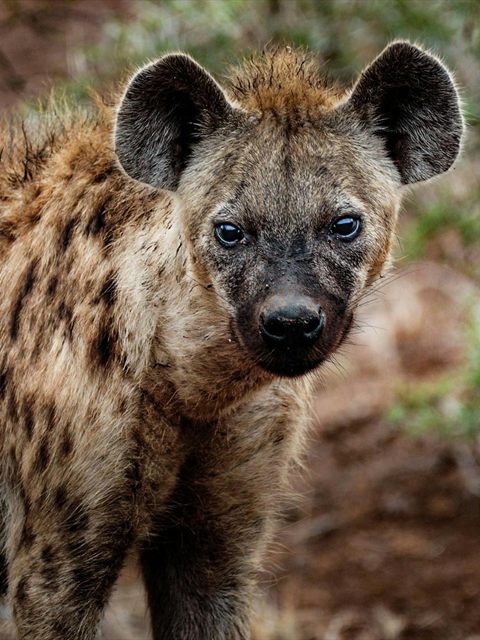
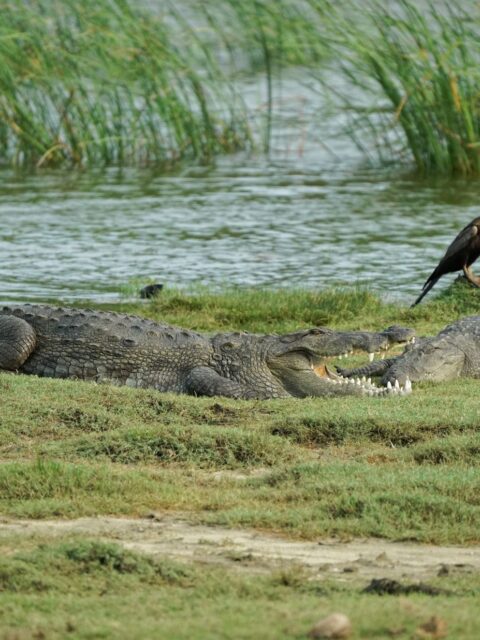
- lions, hyenas, crocodiles
- Defense Mechanisms
- Watusi Calves rely on their mothers and the herd for protection, using their size and horns as a defense mechanism as they mature.
- Found in Zoos
- Uncommon