


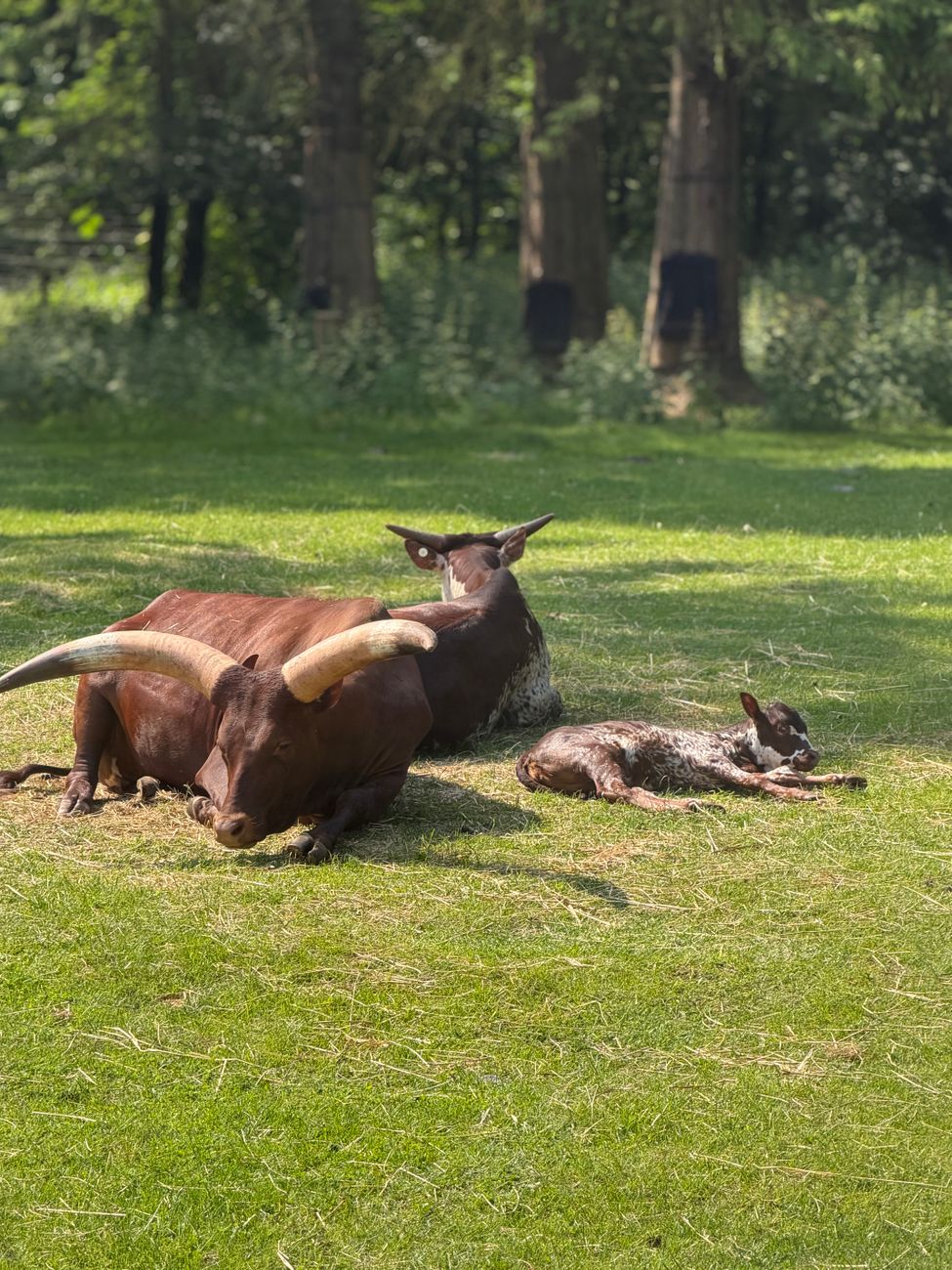
WATUSI
DESCRIPTION
Watusi, also known as Ankole-Watusi, is a breed of cattle known for its impressive long horns, which can reach up to 8 feet in length. These cattle have a distinctive appearance with a large, muscular body and a short coat that can vary in color from white to reddish-brown. They are primarily found in the East African region and are well adapted to the hot, arid climates, showcasing a remarkable resilience to harsh environmental conditions.
FUN FACTS
- Watusi cattle are known for their impressive horns, which are not only a striking feature but also serve a practical purpose in thermoregulation, helping to dissipate heat
- | These cattle are also culturally significant to the Tutsi people of East Africa, symbolizing wealth and status, and are often featured in traditional ceremonies and rituals
QUICK INFO
Lifespan15-20 years in wild, up to 25 in captivity
Average Weight400-800 kg
Average Length2.0-2.5 m
Diet TypeHerbivore
Social Structuregroup — Watusi typically live in herds, which provide social interaction and protection from predators.
Activity PatternDiurnal
Breeding SeasonYear-round
- Habitat
- Watusi cattle are typically found in savanna and grassland habitats, where they can roam freely and graze on available vegetation. They are also adapted to semi-arid regions, showcasing their ability to survive in less hospitable environments.
- Biomes
- Savanna, Grassland
- Native Range
- Watusi cattle are native to East Africa, particularly in countries like Uganda, Rwanda, and Burundi.
- Continent
- Africa
- Countries
- Uganda, Rwanda, Burundi
- Diet
- Watusi primarily grazes on grasses and other vegetation, making them well-suited for pastoral farming. They are known to be efficient foragers, able to thrive on sparse forage.
- Diet Type
- Herbivore
- Favorite Food
- grasses, legumes
- Social Structure
- group — Watusi typically live in herds, which provide social interaction and protection from predators.
- Activity Pattern
- Diurnal
- Group Size
- 10-30
- Territorial
- 0
 LC
LC
 LC
LC
 VU
VU
400-800 kg
Weight
2.0-2.5 m
Length
1.5-1.8 m at shoulder
Height (Shoulder)
- Coloration
- varies from white to reddish-brown, often with dark markings
- Sexual Dimorphism
- males are generally larger and have more pronounced horns than females
- Lifespan
- 15-20 years in wild, up to 25 in captivity
- Gestation Period
- 280 days
- Offspring per Birth
- 1
- Sexual Maturity
- 2-3 years
- Breeding Season
- Year-round
LC
Least Concern
IUCN Red List Status
- Population Status
- The population of Watusi cattle is stable, with a significant presence in traditional farming systems.
- Wild Population Estimate
- unknown
- Population Trend
- Stable
- Endangered
- 0
- Threats
- Main threats include habitat loss due to agricultural expansion and climate change, which can affect their grazing areas. Additionally, they face competition for resources with other livestock.
- Predators
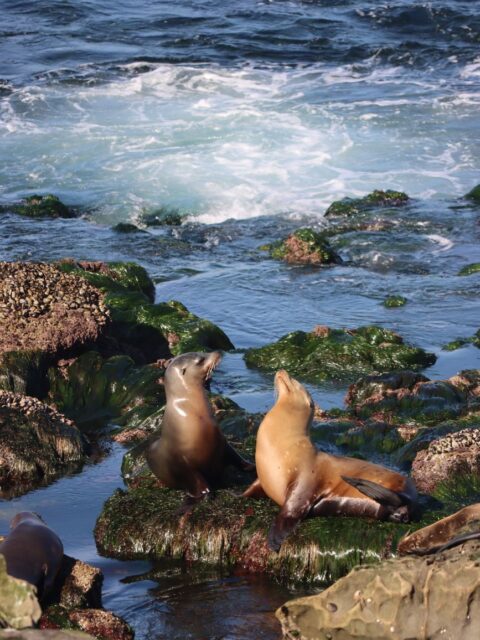
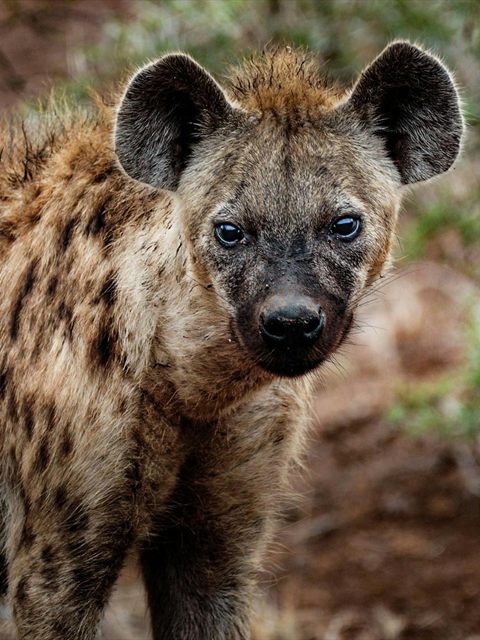
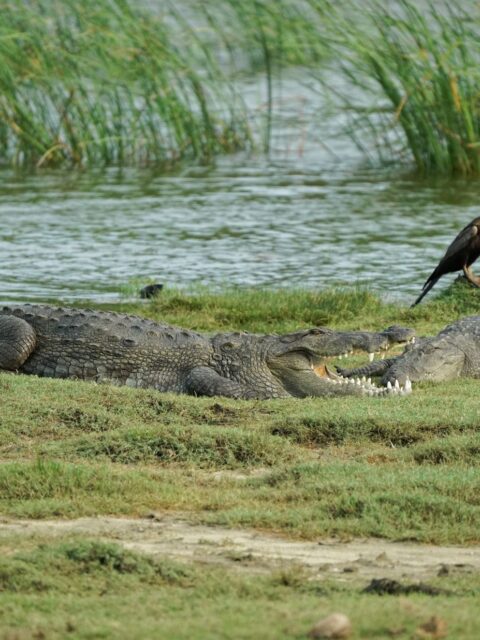
- lions, hyenas, crocodiles
- Defense Mechanisms
- Watusi cattle rely on their size and herd behavior for protection against predators, often using their large horns as a defense mechanism.
- Compatible Animals
- none
- Found in Zoos
- Uncommon