


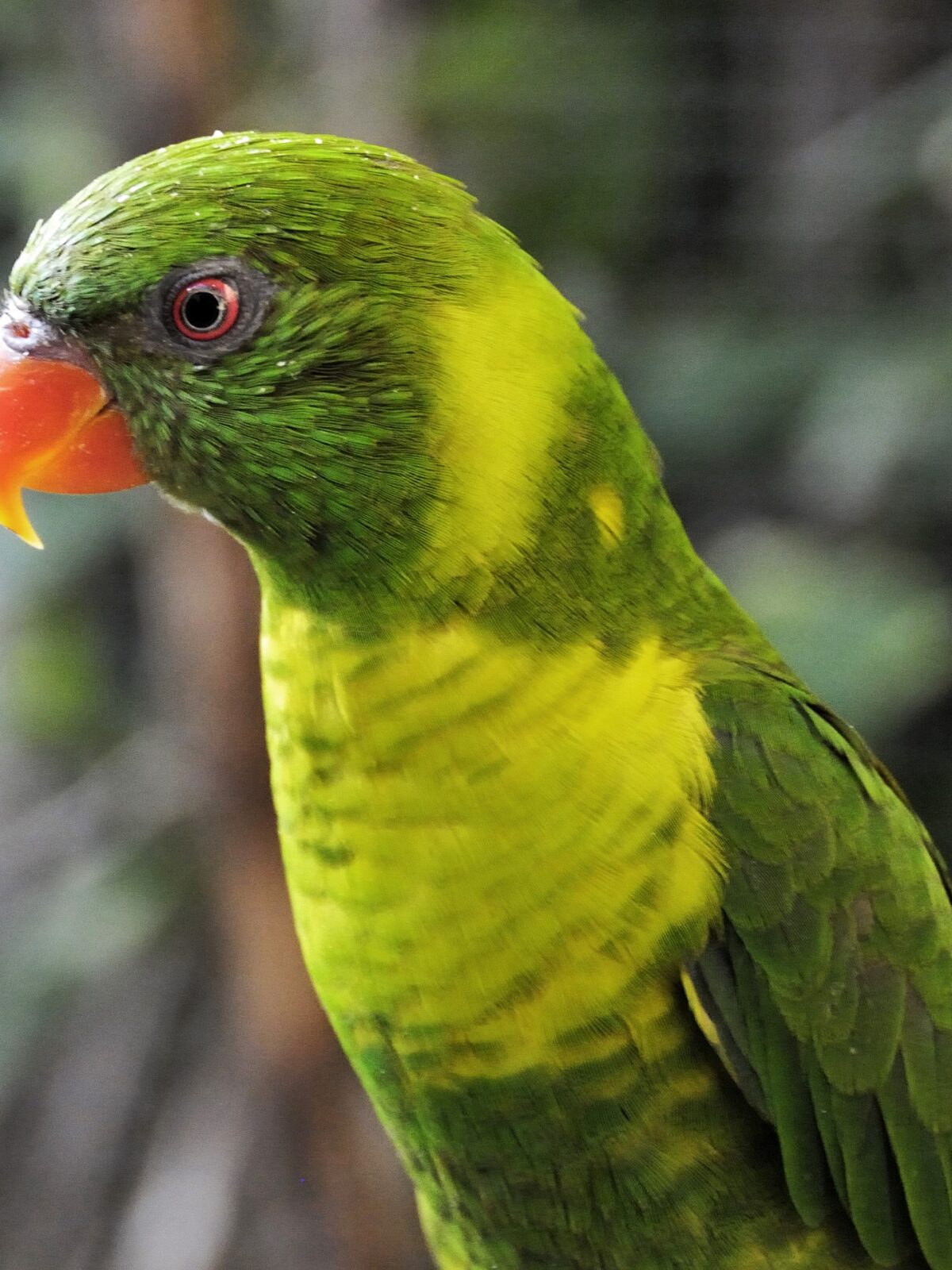
WEBER'S LORIKEET
Trichoglossus weberi
DESCRIPTION
Weber's Lorikeet (Trichoglossus weberi) is a vibrant and colorful parrot native to the islands of Indonesia. This species exhibits a striking plumage with a mix of green, blue, and yellow, making it visually appealing. Known for its playful and social behavior, Weber's Lorikeet often forages in flocks, feeding on nectar and fruits, and plays a crucial role in pollination within its habitat.
FUN FACTS
- Weber's Lorikeet is known for its acrobatic flying skills, often seen hanging upside down while feeding on flowers
- Additionally, they have a unique vocalization that resembles a series of whistles and chirps, making them quite entertaining to observe
QUICK INFO
Lifespan10-15 years in the wild, up to 20 years in captivi
Average Weight100-150 g
Average Length25-30 cm
Diet TypeHerbivore
Social StructureThey are typically found in pairs or small groups, often forming strong bonds with their mates.
Activity PatternDiurnal
Breeding SeasonTypically during the wet season, varying by region.
- Habitat
- This species inhabits tropical and subtropical forests, often found in areas with abundant flowering plants. They prefer dense vegetation that provides both food and nesting sites.
- Biomes
- Tropical Rainforest
- Native Range
- Weber's Lorikeet is endemic to the islands of Indonesia, particularly in the regions of the Maluku Islands.
- Continent
- Asia
- Countries
- Indonesia
- Diet
- Weber's Lorikeet primarily feeds on nectar, fruits, and flowers, utilizing its specialized tongue to extract food from blossoms.
- Diet Type
- Herbivore
- Favorite Food
- nectar, fruits, flowers
- Social Structure
- They are typically found in pairs or small groups, often forming strong bonds with their mates.
- Activity Pattern
- Diurnal
- Group Size
- 2-15
- Territorial
- 0
 LC
LC
100-150 g
Weight
25-30 cm
Length
- Coloration
- Predominantly green with blue and yellow accents, particularly on the wings and underparts.
- Sexual Dimorphism
- Males and females are similar in appearance, making it difficult to distinguish between the sexes.
- Lifespan
- 10-15 years in the wild, up to 20 years in captivi
- Offspring per Birth
- 2-3
- Sexual Maturity
- 1-2 years
- Breeding Season
- Typically during the wet season, varying by region.
LC
Least Concern
IUCN Red List Status
- Population Status
- The population is currently stable, but habitat loss poses a potential threat.
- Wild Population Estimate
- Unknown
- Population Trend
- Stable
- Endangered
- 0
- Threats
- Main threats include habitat destruction due to deforestation and the pet trade. Conservation efforts are needed to protect their natural habitats.
- Predators
- Natural predators include larger birds of prey and snakes.
- Defense Mechanisms
- They rely on their agility and ability to fly quickly to evade predators.
- Compatible Animals
- Other small parrots, finches, canaries
- Found in Zoos
- Uncommon