


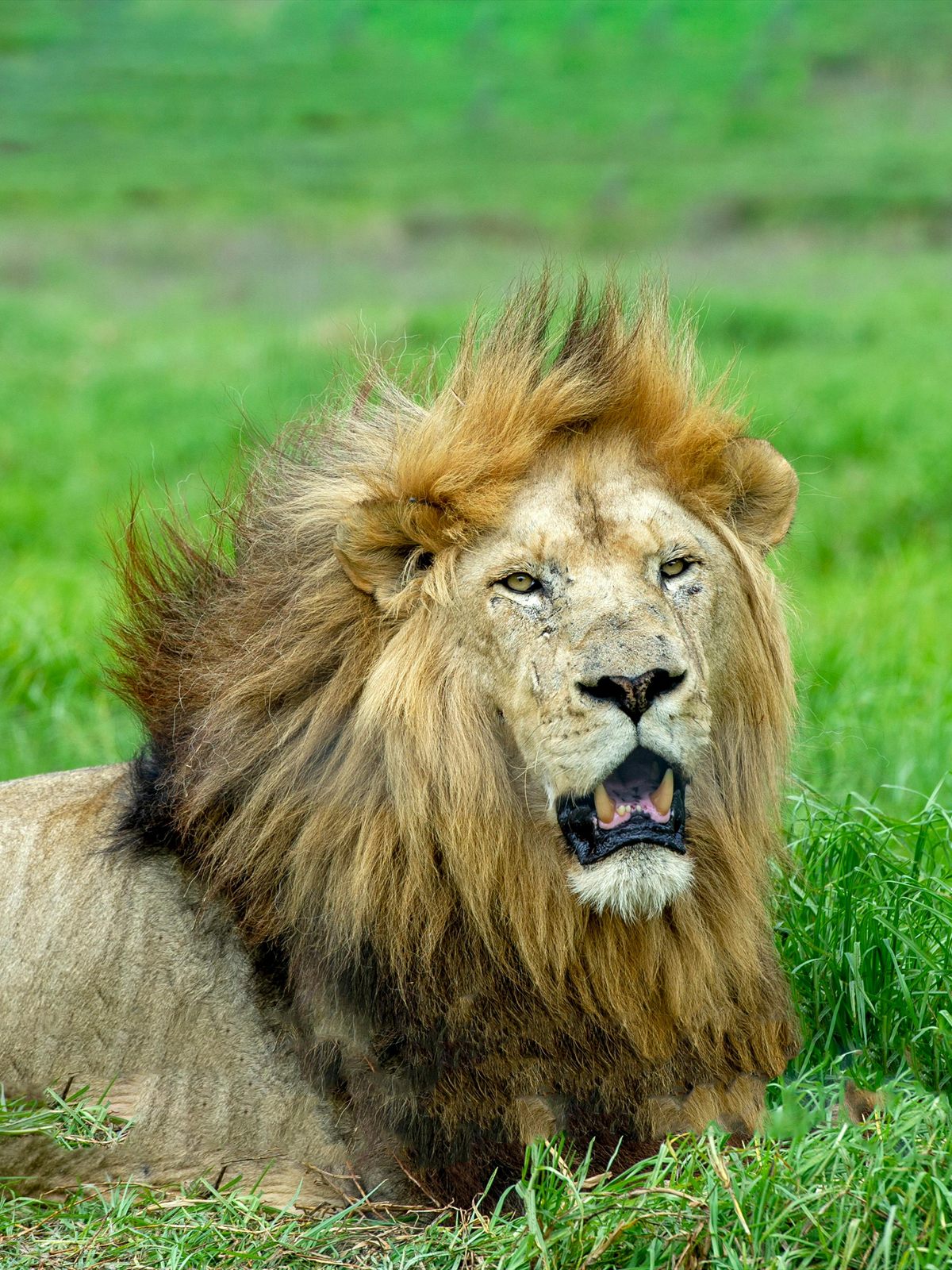
WEST AFRICAN LION
DESCRIPTION
Also called the African Lion, the West African Lion is a subspecies of lion that is characterized by its relatively smaller size compared to other lions. They have a tawny coat with a distinctive mane in males, which can vary in color from light to dark. These lions are social animals, often found in prides, and they play a crucial role in their ecosystem as apex predators, helping to maintain the balance of herbivore populations.
FUN FACTS
- West African Lions are known for their unique vocalizations, which include roars that can be heard up to 8 kilometers away, serving as a means of communication and territory marking
- | Unlike other lion populations, West African Lions have adapted to their environment by developing smaller prides and more solitary behaviors, which may be a response to the lower availability of prey in their habitat
QUICK INFO
Lifespan10-15 years in the wild, up to 25 years in captivi
Average Weight120-190 kg
Average Length1.5-2.5 m
Diet TypeCarnivore
Social Structuregroup — prides usually consist of several related females and a few males.
Activity PatternNocturnal
Breeding SeasonYear-round, with peaks depending on local conditions
- Habitat
- They inhabit savannas, grasslands, and open woodlands, where they can find ample prey and cover for hunting.
- Biomes
- Savanna, Grassland
- Native Range
- The West African Lion is found in the western regions of Africa, primarily in countries like Senegal, Mali, and Niger.
- Continent
- Africa
- Countries
- Senegal, Mali, Niger, Burkina Faso, Nigeria
- Diet
- West African Lions primarily hunt large ungulates, such as antelopes and zebras, but they may also scavenge when necessary.
- Diet Type
- Carnivore
- Favorite Food
- Antelopes, zebras
- Social Structure
- group — prides usually consist of several related females and a few males.
- Activity Pattern
- Nocturnal
- Group Size
- 3-15
- Territorial
- 1
120-190 kg
Weight
1.5-2.5 m
Length
1.1 m at shoulder
Height (Shoulder)
- Coloration
- Tawny coat with a darker mane in males
- Sexual Dimorphism
- Males are larger and have manes, while females are smaller and lack manes.
- Lifespan
- 10-15 years in the wild, up to 25 years in captivi
- Gestation Period
- 110 days
- Offspring per Birth
- 1-4
- Sexual Maturity
- 3-4 years
- Breeding Season
- Year-round, with peaks depending on local conditions
CR
Critically Endangered
IUCN Red List Status
- Population Status
- The population of West African Lions is critically low, with significant declines due to habitat loss and hunting.
- Wild Population Estimate
- 250-500
- Population Trend
- Decreasing
- Endangered
- 1
- Threats
- Main threats include habitat loss due to agriculture and human encroachment, as well as poaching and conflicts with livestock owners.
- Conservation Program
- Various conservation programs are in place, including habitat protection and anti-poaching initiatives.
- Predators
- Humans are the primary threat, but young lions may be vulnerable to hyenas and other large carnivores.
- Defense Mechanisms
- They rely on their strength, social structure, and cooperative behavior to defend their territory and young.
- Found in Zoos
- Uncommon